Heavy Rain, Landslides, and Poor Visibility Can Disrupt Travel—Here Are the Destinations and Safety Tips Every Traveler Should Know
The monsoon season paints India's hill stations in vibrant shades of green, making them some of the country's most attractive travel destinations. Mist-covered mountains, overflowing waterfalls, fresh mountain air, and lush forests create postcard-perfect scenery that draws thousands of tourists every year.
However, the rainy season also brings challenges that travelers should not ignore. Continuous rainfall can trigger landslides, road closures, flash floods, falling rocks, and dense fog, especially in mountainous regions. While these destinations remain beautiful during the monsoon, planning a trip without checking weather conditions and travel advisories can lead to unnecessary risks.
If you're planning a vacation in the hills this rainy season, here are seven popular destinations where extra precautions are recommended.
1. Nainital, Uttarakhand
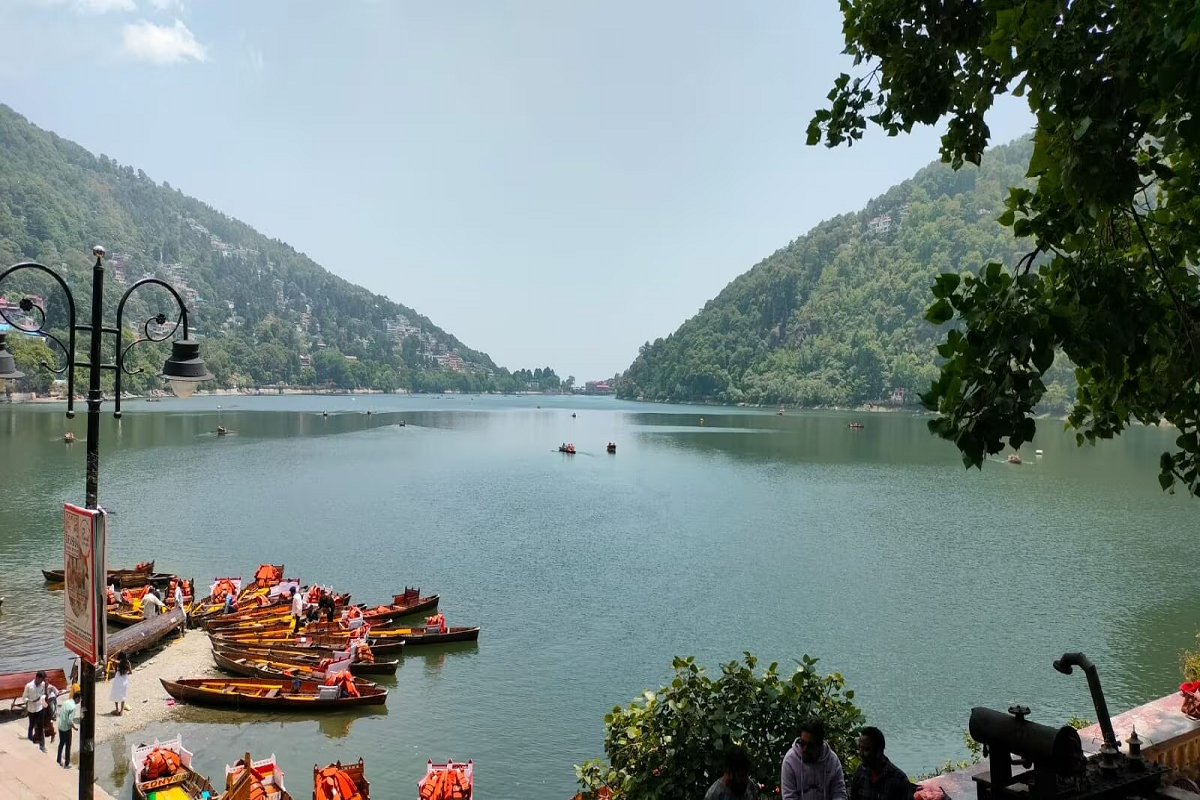
Known for its picturesque lake and surrounding hills, Nainital is one of North India's favorite hill stations. During the monsoon, however, prolonged rainfall increases the chances of landslides and falling rocks along mountain roads.
Road blockages and traffic congestion are common after heavy showers, while slippery pathways around Naini Lake require extra care. Visitors should stay updated on weather forecasts and road conditions before beginning their journey.
2. Darjeeling, West Bengal
Darjeeling attracts visitors with its tea estates, colonial charm, and panoramic views of the Kanchenjunga range. Yet, the monsoon often brings persistent rainfall that can affect transportation across the region.
Landslides occasionally disrupt road connectivity, while thick fog significantly reduces visibility for drivers. Travelers should verify the status of roads, railway services, and local weather before departing.
3. Shimla, Himachal Pradesh
Shimla remains a year-round tourist destination, but heavy monsoon showers can make travel more difficult. Mountain roads may experience landslides, falling trees, and temporary closures following continuous rainfall.
Driving becomes more challenging due to slippery roads and poor visibility. Travelers are advised to complete long journeys during daylight hours and avoid unnecessary night driving on hilly routes.
4. Mussoorie, Uttarakhand
Often referred to as the "Queen of the Hills," Mussoorie offers spectacular mountain views throughout the year. During the rainy season, however, heavy downpours may trigger rockfalls and landslides in vulnerable areas.
Popular walking routes, viewpoints, and trekking trails can become slippery, increasing the risk of accidents. Visitors should wear proper footwear and remain cautious while exploring outdoor attractions.
5. Gangtok, Sikkim
Gangtok's dramatic mountain scenery and peaceful atmosphere make it one of Northeast India's most visited destinations. During the monsoon, frequent rainfall raises the likelihood of landslides along mountain highways.
Access to high-altitude attractions such as Nathula Pass may occasionally be restricted due to adverse weather conditions. Checking local government advisories before traveling is strongly recommended.
6. Manali, Himachal Pradesh
Manali is widely known for adventure tourism, scenic valleys, and riverfront landscapes. During the rainy season, rivers often swell due to continuous rainfall, while nearby mountain slopes become vulnerable to landslides.
Highways leading to Manali may face temporary closures, and camping near rivers or fast-flowing streams is generally discouraged during this period. Monitoring weather updates can help travelers avoid unnecessary disruptions.
7. Munnar, Kerala
The tea plantations of Munnar become exceptionally beautiful during the monsoon, attracting visitors from across the country. At the same time, continuous rainfall can lead to slippery roads, reduced visibility, and occasional landslides in hilly areas.
Travelers should avoid unnecessary driving during severe weather and choose accommodations in safe, easily accessible locations whenever possible.
Three Essential Tips Before Visiting Any Hill Station During the Monsoon
1. Check Weather Forecasts and Travel Advisories
Always review the latest weather reports, road conditions, and official travel advisories before leaving. If authorities issue warnings about heavy rainfall or landslide risks, postponing the trip may be the safest option.
2. Pack the Right Travel Essentials
Carry waterproof clothing, sturdy trekking or walking shoes with good grip, a raincoat, extra clothing, essential medicines, a flashlight, portable charger, and waterproof bags for electronics. Being prepared can make a significant difference during sudden weather changes.
3. Prioritize Safety Throughout the Journey
Avoid driving through mountain roads after dark, especially during periods of heavy rain. Stay away from overflowing rivers, waterfalls, and landslide-prone areas. Follow instructions issued by local authorities and choose established travel routes instead of isolated shortcuts.
Careful Planning Makes Monsoon Travel More Enjoyable
Monsoon transforms India's hill stations into spectacular natural retreats, but the same rainfall that creates beautiful landscapes can also create hazardous travel conditions. Proper planning, regular weather updates, suitable equipment, and responsible decision-making can help ensure a safe and enjoyable journey.
Rather than making spontaneous travel decisions, visitors should prepare carefully and remain flexible with their itinerary. A well-planned monsoon vacation not only minimizes risks but also allows travelers to fully appreciate the beauty of India's mountains while creating lasting memories.