LIFESTYLE
Monsoon Health Tips: Best Fruits to Eat During the Rainy Season for Better Immunity and Digestion
The arrival of the monsoon brings welcome relief from scorching summer temperatures, but it also marks the beginning of a season when infections, digestive problems, and waterborne illnesses become more common. Changes in humidity, food contamination, and weakened immunity can increase the risk of seasonal health issues.
One of the simplest ways to support overall health during the rainy season is by including fresh, nutrient-rich fruits in your daily diet. Fruits provide essential vitamins, minerals, antioxidants, and dietary fiber that help strengthen the immune system, support digestion, and keep the body energized.
While fruits alone cannot prevent illness, consuming clean, fresh produce as part of a balanced diet can contribute to better overall health. Here are some fruits that are commonly considered good choices during the monsoon season.
Choose Fresh and Properly Washed Fruits
Food hygiene becomes especially important during the rainy season. Fruits should always be fresh, ripe, and washed thoroughly under clean running water before consumption.
Proper washing helps reduce dirt, pesticide residue, and the risk of contamination from bacteria or other microorganisms that may be present on the fruit's surface. Avoid consuming damaged, overripe, or cut fruits that have been left uncovered for long periods.
Maintaining good food hygiene is one of the first steps toward reducing the risk of seasonal infections.
Apples, Pomegranates, and Pears Are Nutritious Options
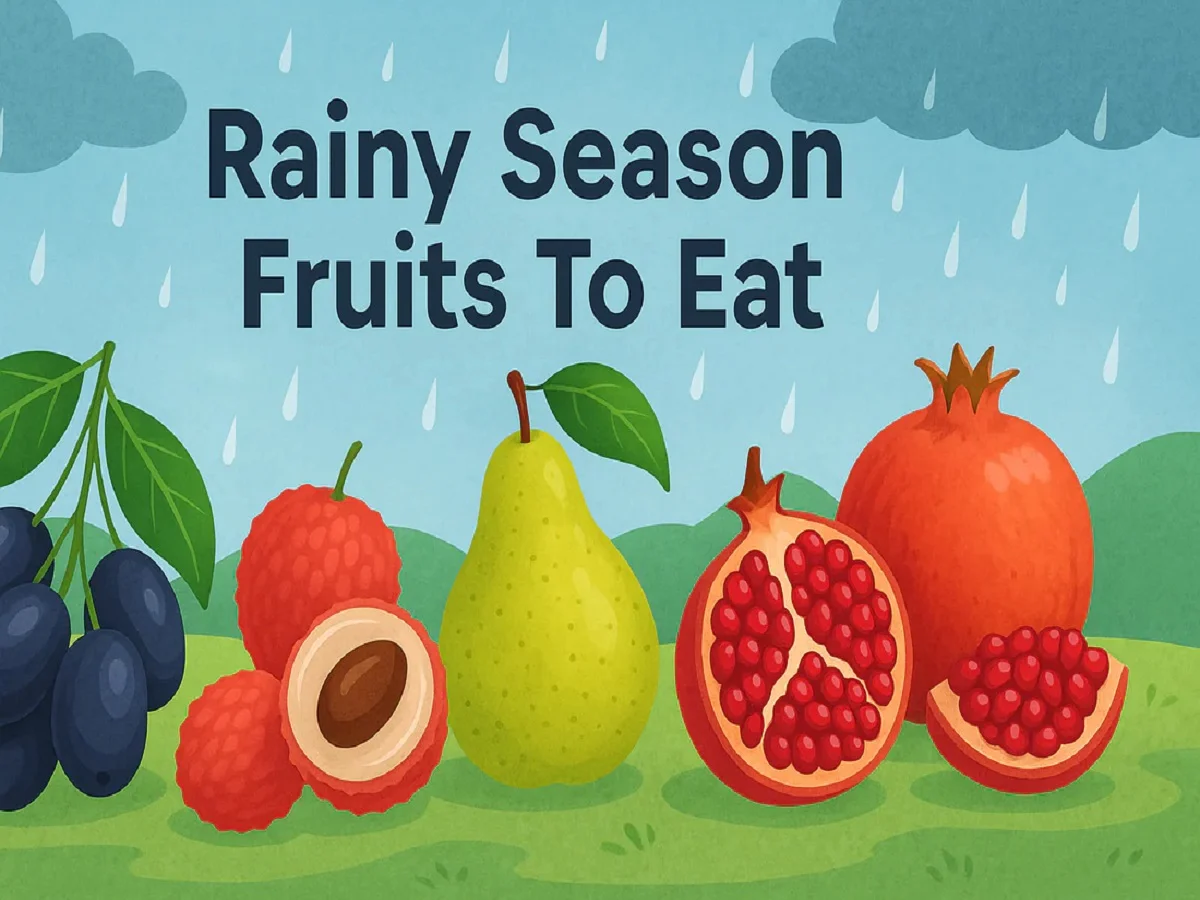
Apples, pomegranates, and pears are among the fruits often recommended during the monsoon because they are generally easy to store and rich in essential nutrients.
These fruits provide:
- Dietary fiber that supports digestive health.
- Vitamins that contribute to normal immune function.
- Antioxidants that help protect cells from oxidative stress.
Including these fruits as part of a balanced diet can help maintain overall wellness during the changing season.
Papaya May Support Healthy Digestion
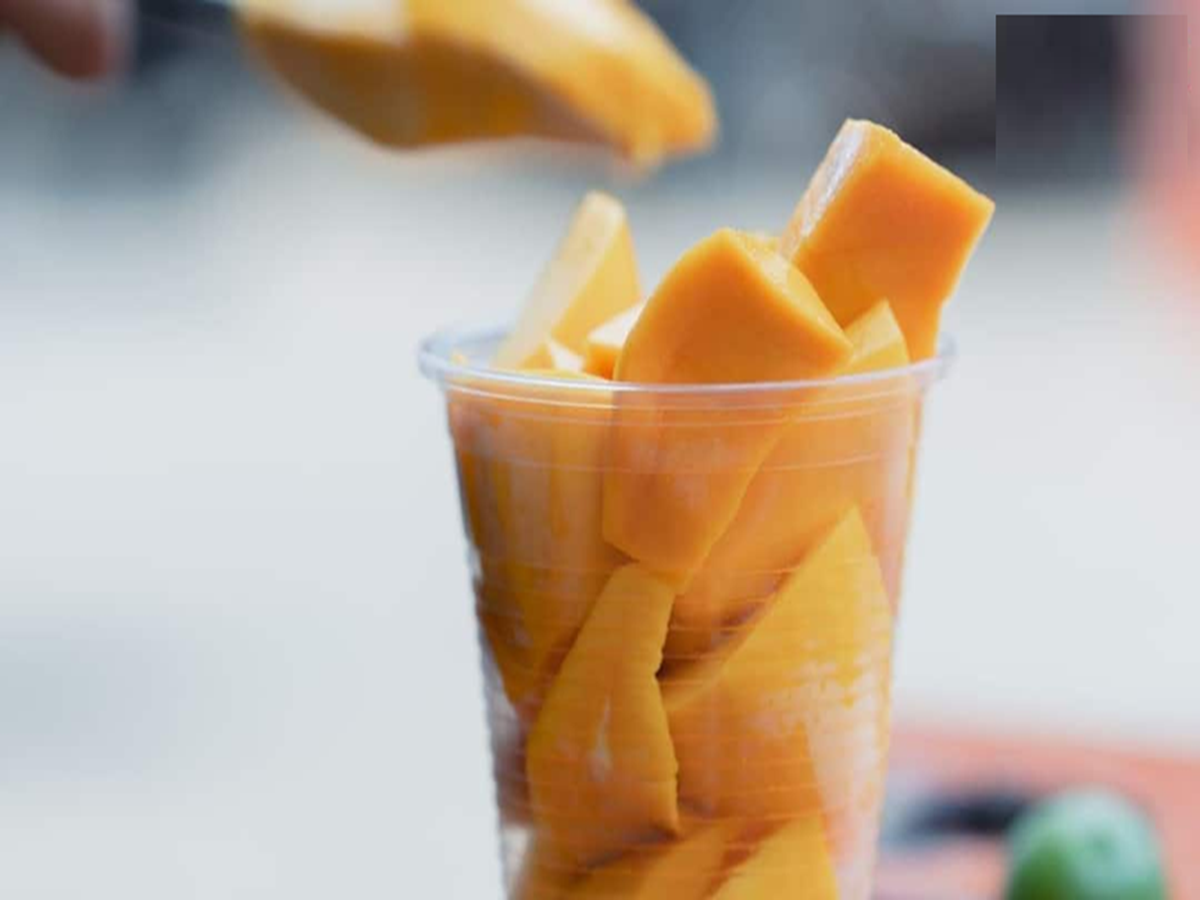
Papaya is widely known for containing natural digestive enzymes, including papain, which help break down proteins and support digestion.
Since digestive discomfort can become more common during the rainy season, papaya may be a suitable addition to meals for individuals who tolerate it well.
In addition to digestive enzymes, papaya also contains vitamin C, vitamin A, and fiber, making it a nutritious fruit for overall health.
However, individuals with specific medical conditions or dietary restrictions should consult a healthcare professional regarding appropriate food choices.
Bananas Provide Quick Energy
Bananas are another nutritious fruit that can be consumed during the monsoon.
They are naturally rich in:
- Potassium
- Carbohydrates
- Vitamin B6
- Dietary fiber
These nutrients help provide energy and support normal muscle and nerve function. Bananas are also generally easy to digest for many people, making them a convenient snack throughout the day.
Because they come with a natural protective peel, bananas also have a lower risk of surface contamination compared with some exposed fruits, provided they are handled hygienically.
Enjoy Seasonal Fruits Like Jamun and Plums
Seasonal fruits such as jamun (Indian blackberry) and plums are also popular choices during the rainy season.
These fruits contain various vitamins, minerals, and naturally occurring antioxidants that contribute to a healthy diet.
Jamun is often appreciated for its nutrient profile and is commonly included in seasonal diets, while plums provide fiber and several essential micronutrients that support overall health.
Consuming a variety of seasonal fruits can help diversify nutrient intake while making meals more enjoyable.
Additional Tips for Eating Fruits During the Monsoon
To reduce the risk of foodborne illnesses during the rainy season, consider following a few simple precautions:
- Wash fruits thoroughly before eating.
- Consume freshly cut fruits immediately.
- Avoid buying pre-cut fruits from unhygienic locations.
- Store fruits properly to prevent spoilage.
- Include a variety of fruits instead of relying on a single option.
- Pair fruits with a balanced diet that includes vegetables, whole grains, and adequate protein.
Healthy Eating Supports Overall Wellness
The rainy season can increase exposure to infections and digestive problems, making healthy eating habits especially important. Including fresh fruits such as apples, pomegranates, pears, papaya, bananas, jamun, and plums in a balanced diet may help provide essential nutrients that support normal immune function and digestive health.
While no single fruit can prevent illness, maintaining good food hygiene, staying hydrated, eating a varied diet, and following appropriate medical advice when needed can contribute to better health throughout the monsoon season.
Adopting these simple dietary habits can help you enjoy the rains while supporting your overall well-being during one of the year's most challenging seasons for health.