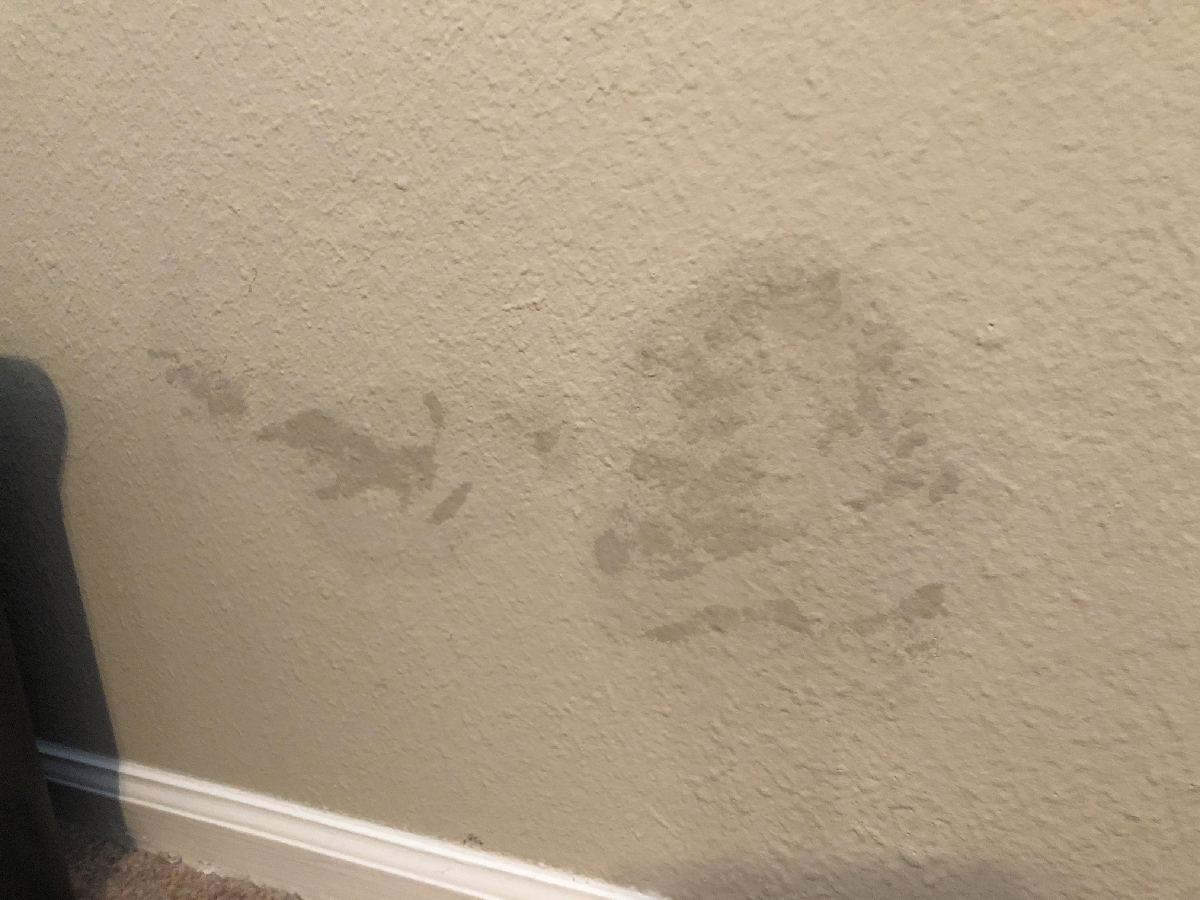
Monsoon Mattress Care: When it rains outside, the cool breeze blows, and the earthy scent wafts, the weather feels pleasant. However, after several days of continuous rain, a different kind of problem begins to arise inside the house.
Measures to remove moisture from the room during the rainy season
How To Remove Sweat Odor From Bedsheet: The rainy season definitely brings relief from the heat. When it rains outside, the cool breeze blows, and the earthy scent wafts, the weather feels pleasant. However, after several days of continuous rain, a different kind of problem begins to arise inside the house. The humidity in the room increases, and this is first felt on the bed, mattress, and sheets. Sometimes, upon waking in the morning, the sheets feel slightly damp or heavy, even though they haven't been spilled. A slight musty smell begins to linger in the room, and even lying on the mattress doesn't feel as fresh as before. If this is happening in your room, it may be due to more than just wet sheets, but excessive moisture in the room.
Why does the humidity in the room increase during the rainy season?
Humidity in the air increases significantly during the rainy season, especially in rooms where windows are closed for extended periods and ventilation is limited. Moisture in the room gradually accumulates in clothing, mattresses, pillows, and other items. Mattresses are a highly absorbent material. Furthermore, sweat released during sleep also reaches the mattress and sheets. If the room is poorly ventilated, this moisture cannot easily escape. If this situation persists for a long time, it can lead to dampness and odor.
Don't make this mistake in your room
One of the most common mistakes is keeping the windows and doors of your room closed all the time during the rainy season. While it may be necessary to keep the windows closed to protect from the rain, whenever the weather clears up and the air outside is relatively dry, make sure to allow ventilation in the room. Opening the windows for a while can help release the clogged and heavy air. If there is a window or door on the other side of the room, allow ventilation from both sides. This will help remove moisture from the room and the bedding.
Do not place the mattress directly on the floor
If the mattress is placed directly on the floor, the ventilation beneath it is greatly reduced. During rainy weather, the floor can also become damp, and this moisture can gradually reach the mattress. Therefore, try to place the mattress on a bed or base that allows for some ventilation underneath. Bed bases with slats may be better in this regard, as they allow for proper ventilation.
When the sun is out, make sure to air the mattress.
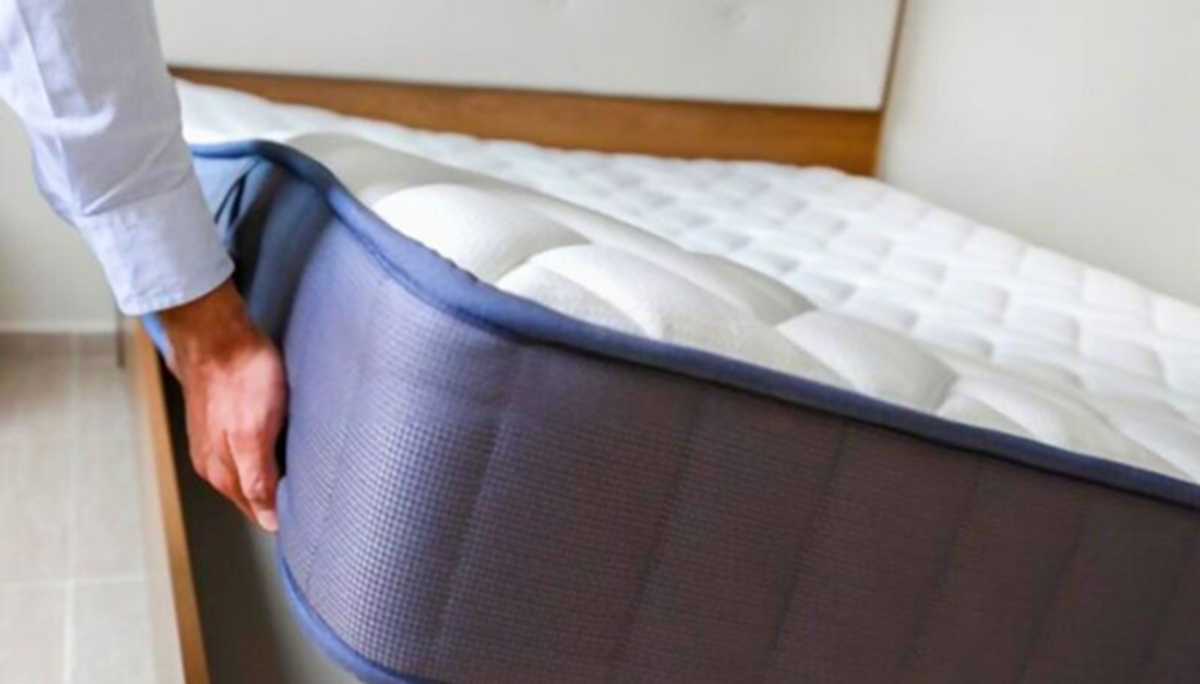
The sun doesn't shine consistently during the rainy season, but whenever the weather clears for a few hours, take advantage of that time. Open the windows and let the room air out. If possible, lift the mattress slightly off the bed to allow air to circulate underneath. This can be done for short periods of time if the mattress has the opportunity to be exposed to sunlight. However, consult the manufacturer's instructions before exposing the mattress to direct sunlight for extended periods.
Do not put slightly wet sheets on the bed
Clothes take longer to dry during the rainy season. Sometimes, sheets may appear dry on the outside, but are slightly damp on the inside. Laying such sheets on the bed can cause moisture to reach the mattress. Therefore, lay sheets and bedsheets on the bed only after they are completely dry. If drying indoors, avoid stacking them on top of each other. Allow for ventilation.
Apply a moisture protector to the mattress
A mattress protector can also be useful during the rainy season. It helps prevent body sweat and other moisture from directly penetrating the mattress. However, it's best to choose a protector that doesn't completely block airflow. It's also important to wash and thoroughly dry the protector periodically.
What to do to reduce humidity in the room?
If the room is constantly damp, a dehumidifier can be used to reduce humidity. Additionally, maintaining good ventilation is essential. Keeping a small amount of space between closets, beds, and walls can also be helpful. Placing furniture too close to the wall reduces air circulation and can lead to moisture accumulation.
Don't ignore the musty smell
If your room or mattress has a persistent musty or damp smell, don't dismiss it as a normal seasonal odor. It could be a sign of excessive moisture in the room or mattress. If you notice small stains, dampness, or mold on the mattress, take it seriously. Simply using a fragrance spray won't solve the problem. Addressing the source of the moisture is essential.