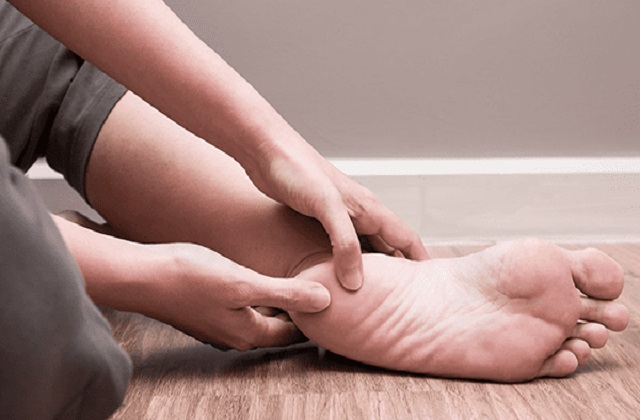
You have heard many people say that they have pain in their feet or pain in their heels, but do you know if it happens? If not, then let's tell you about this today, because we can detect many types of health problems (Health Warning Signs in Feet) through feet, which vitamins or nutrients are lacking in your body and which health problems you are suffering from.
Swelling in the legs Swollen feet and ankles
Swelling in the feet also indicates various health problems. The main reason for swelling in the legs can be liver disease, heart disease, lack of hemoglobin, kidney function not working properly.
Tingling and numbness in the legs Tingling and Numbness in feet
Many people experience frequent numbness in their feet, which is also called tingling. It is not a matter of panic if it happens occasionally, but if it is happening continuously, then the reason behind it may be vitamin B12 or vitamin E deficiency.
Ankle pain Ankle Pain Reasons
If the pain in the ankle persists, then it is not right to take it lightly because there can be many possible reasons behind it. The first thing to check is that the uric acid level is not elevated, because high uric acid causes swelling and pain in the joints, especially in the ankles. Another major reason can be vitamin D deficiency, which weakens the bones and causes swelling or pain. If these two causes are not confirmed in the examination, then an old internal injury, ligament strain or minor bone injury may also be responsible, which may become serious over time. Therefore, if there is constant pain in the ankle, it is necessary to consult a doctor and get the necessary tests done, so that the right treatment can be started on time.
Map of spider webs on legs Spider Veins on feet
Many people have thin blue or red veins spread out like spider webs on their legs, which are called spider veins. They are usually just below the surface of the skin and look like spider webs. There may be many reasons behind this, such as excess estrogen hormone, poor liver function, poor blood circulation, or the habit of standing for long periods of time. In women, this problem is more common due to hormonal imbalance, especially during pregnancy, menopause or taking birth control pills. If this problem continues to increase or if it starts to cause pain, then a doctor should be consulted. Also, it can be prevented to a great extent by a healthy lifestyle, proper diet and regular exercise.
Pain in the heels Heel Pain Reasons
Heel pain has become a very common problem these days, which is often attributed to standing for long periods of time, walking too much or wearing the wrong shoes, but lack of nutrients can also be an important reason behind it. Lack of calcium weakens the bones and increases the possibility of micro cracks or swelling. At the same time, magnesium helps in the smooth functioning of muscles and nerves, the lack of which can cause spasms or pain. Vitamin D is necessary for the absorption of calcium in the body, and its deficiency causes swelling, weakness and pain in the bones. It is not right to ignore persistent heel pain; If such symptoms appear, it may be necessary to check with a doctor and take necessary supplements and a balanced diet.
Cracked heels Cracked Heel
Cracked heels are not only the result of external dryness or carelessness, but many times the lack of internal nutrition of the body is also responsible. Deficiency of vitamins B3 (niacin) and B7 (biotin) causes the skin to become dry, rough and weak, causing cracked heels. Similarly, the lack of iron reduces the supply of oxygen to the body, which weakens the skin cells. In addition, a lack of omega-3 fatty acids reduces the skin's natural moisture and elasticity, causing the heels to harden and crack. Therefore, eating a balanced diet, such as green vegetables, nuts, seeds, and fish, nourishes the skin from within and helps keep the heels healthy.
Leg cramps Leg Cramps Reason
Frequent cramping or twitching in the legs is not only a result of fatigue or excessive walking, but it can also be caused by a lack of essential nutrients such as sodium, vitamin B12, and potassium in the body. Sodium maintains the electrolyte balance in the body and its deficiency can cause muscle contractions or spasms. Vitamin B12 deficiency affects nerve function, causing problems such as tingling, weakness or cramps in the legs. At the same time, potassium plays an important role in the contraction and relaxation of muscles, and due to its deficiency, the muscles of the legs become stiff and painful. In this case, a balanced diet, adequate water and electrolyte intake is essential. If necessary, the right supplement can be taken by having a blood test done by the doctor.
Cold feet Cold Feet Reason
If a person's feet are cold in all weathers, it is not only because of the outside temperature, but also due to some serious nutritional deficiencies. Iodine deficiency affects the functioning of the thyroid gland, which can lead to hypothyroidism. This condition slows down the metabolism rate of the body, due to which coldness is felt in the hands and feet. At the same time, anemia, i.e. lack of iron in the body, reduces the supply of oxygen in the blood, so that enough heat and energy do not reach especially the distant organs such as the legs. Due to this, the feet are always cold. Eating iodine-rich foods (such as iodized salt, sea vegetables) and iron-rich foods (spinach, pomegranate, jaggery, etc.) are beneficial when such symptoms appear. If necessary, it may be necessary to get a blood test from the doctor or take supplements.
Disclaimer: The symptoms mentioned are not necessarily associated with foot problems. If the problem is persistent, get a medical examination and start the treatment immediately so that the disease can be eradicated in time.