NEWS
LPG Cylinder Tips: Find out how much gas is left in the cylinder without lifting it? Try this trick.
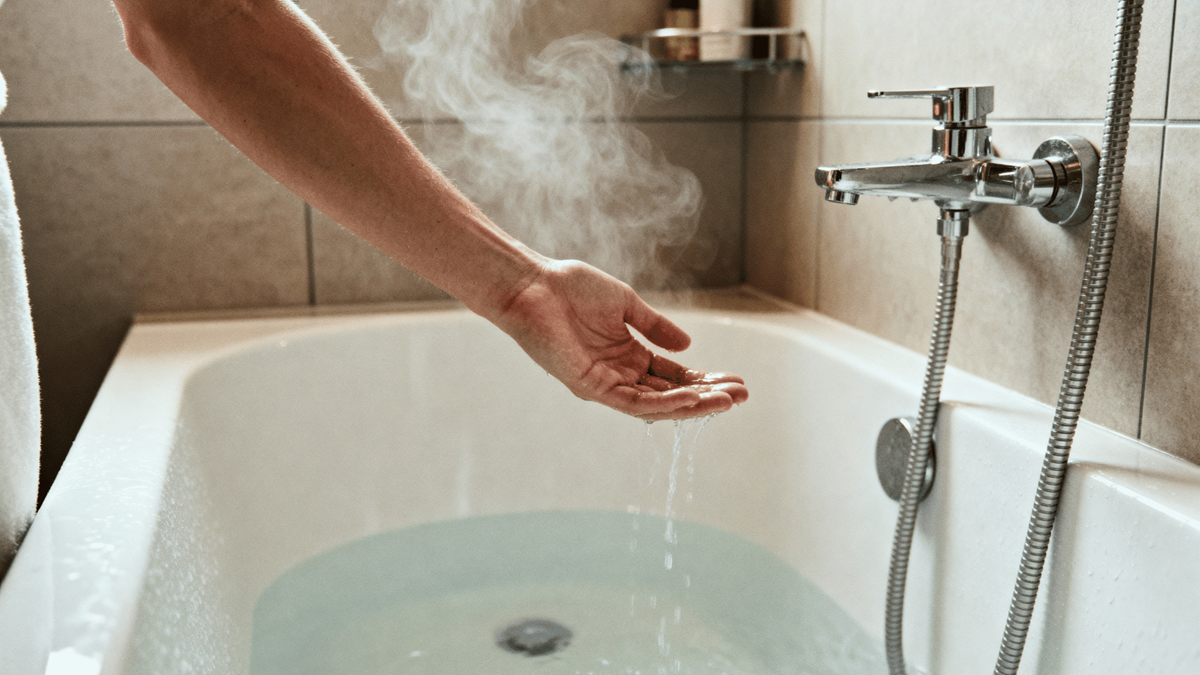
Gas Cylinder Hack: Never use boiling water. First, fill a jug with hot tap water. Now, slowly pour this water from top to bottom on one side of the cylinder.
How to check gas in a cylinder without lifting it
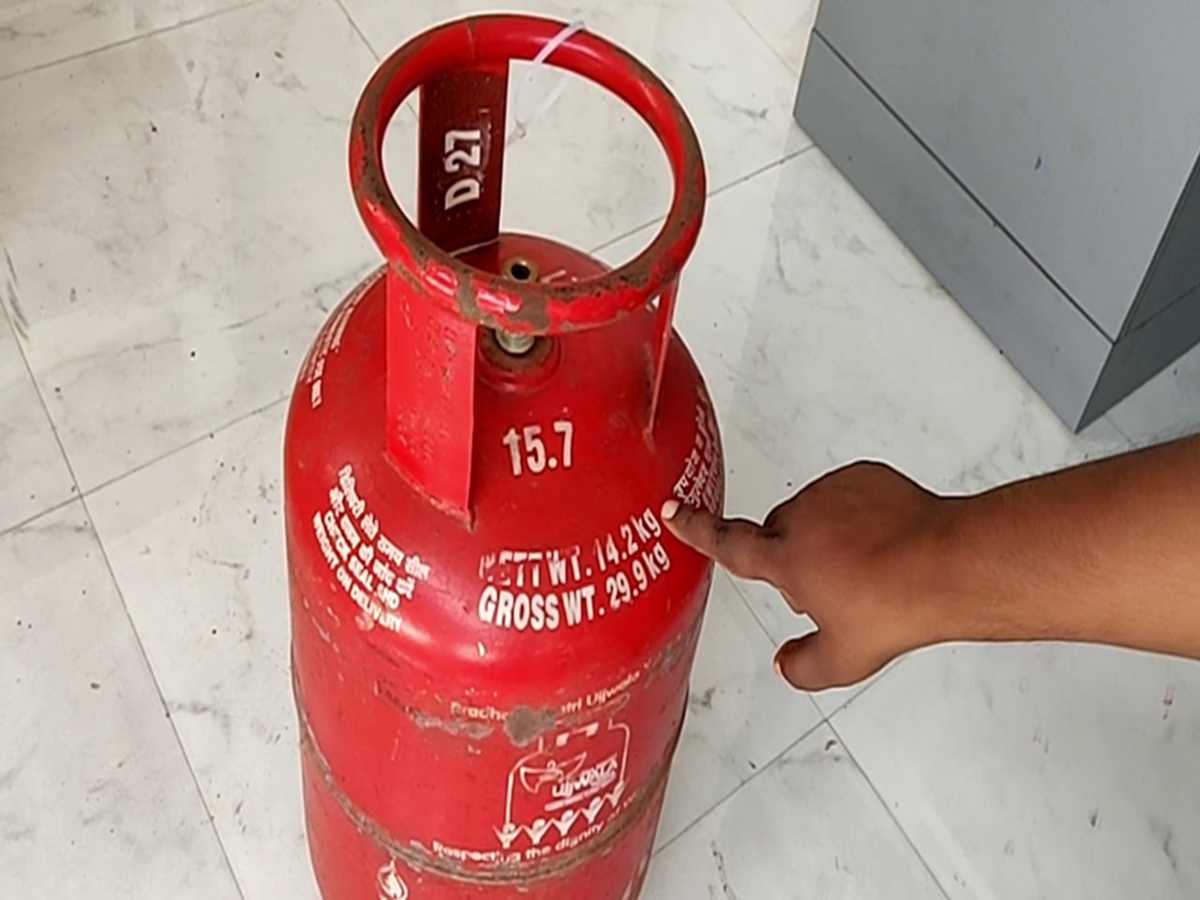
How to Check LPG Gas Cylinder Level at Home: If the gas suddenly runs out while cooking in the kitchen, everything comes to a screeching halt. The biggest problem arises when there's no idea how much gas is left in the cylinder. Many people try to estimate the level by lifting the cylinder and looking at its weight, but this isn't always easy. Fortunately, there's a simple way to determine the remaining gas level without even lifting the cylinder.
How to check gas cylinder without lifting it
All you need for this is hot tap water. Avoid boiling water. First, fill a jug with hot tap water. Slowly pour this water from top to bottom on one side of the cylinder. Wait 5 to 10 seconds after pouring. Then, rub your hand from top to bottom over the same area. If the top of the cylinder feels warm and the bottom feels cool, the gas is present in the cylinder where the temperature changes. This means the colder part is filled with liquid LPG, while the upper part is empty. If the temperature feels roughly the same throughout the cylinder, with no discernible difference, the cylinder is likely almost empty.
Why does this happen
LPG gas is stored inside the cylinder not as a gas, but as a liquid. Due to the pressure within the cylinder, it remains liquid. When you light the stove, this liquid LPG converts to gas. In this process, the liquid LPG absorbs heat from the cylinder's steel walls. This is why the part of the cylinder where the gas is present feels cooler than the surroundings. In the area where the gas is present, the steel retains the heat of the hot water for a longer time. This is why the temperature difference between the top and bottom is easily felt by touching.
Sometimes a line may appear after pouring water.
In some cases, a thin line of moisture or condensation may appear on the cylinder after pouring hot water. This line also indicates the gas level. However, even if the line is not visible, the gas level can be easily determined by feeling the temperature with your hand.
Do this test immediately after using the gas.
If you use this method immediately after cooking or turning on the gas geyser, the temperature difference becomes even more noticeable. At these times, the gas inside the cylinder is being used rapidly, so the cold and hot areas can be easily distinguished.
Can a pressure gauge tell?
Many people think that looking at the pressure gauge can determine the remaining gas in a cylinder, but this isn't the case with LPG cylinders. LPG is a liquid gas. As long as there's even a small amount of liquid LPG in the cylinder, the pressure inside remains roughly the same. Therefore, simply looking at the pressure can't tell if the cylinder is half full or nearly empty. This is why the hot water method is considered more useful.
Take full care of safety.
Never use boiling water when performing this procedure, as it can cause burns. Only hot tap water is sufficient. Also, never try to open the valve by removing the regulator to check how much gas is left in the cylinder. This can be extremely dangerous and could lead to an accident.
Why is the cylinder not completely filled?
Many people think that a new cylinder should be completely full, but this isn't the case. LPG cylinders are only filled to about 80 percent for safety reasons. The remaining space is left to allow the gas to expand safely as temperatures rise.
What to do before you run out of gas?
If you have two cylinders in your home, immediately book a new cylinder as soon as the first one runs out. Don't wait for both cylinders to be completely empty. Gas consumption often increases in winter, especially if a gas geyser or heater is used in the home. During such weather , check the cylinder more often. If guests are coming to the house or gas usage is higher than usual, still perform this simple test from time to time to find out how much gas is left in the cylinder. This can help prevent problems like suddenly running out of gas while cooking.