Business
LPG Cylinder Safety Alert: Check the Testing Date Before Accepting Delivery, Know What A, B, C and D Codes Mean
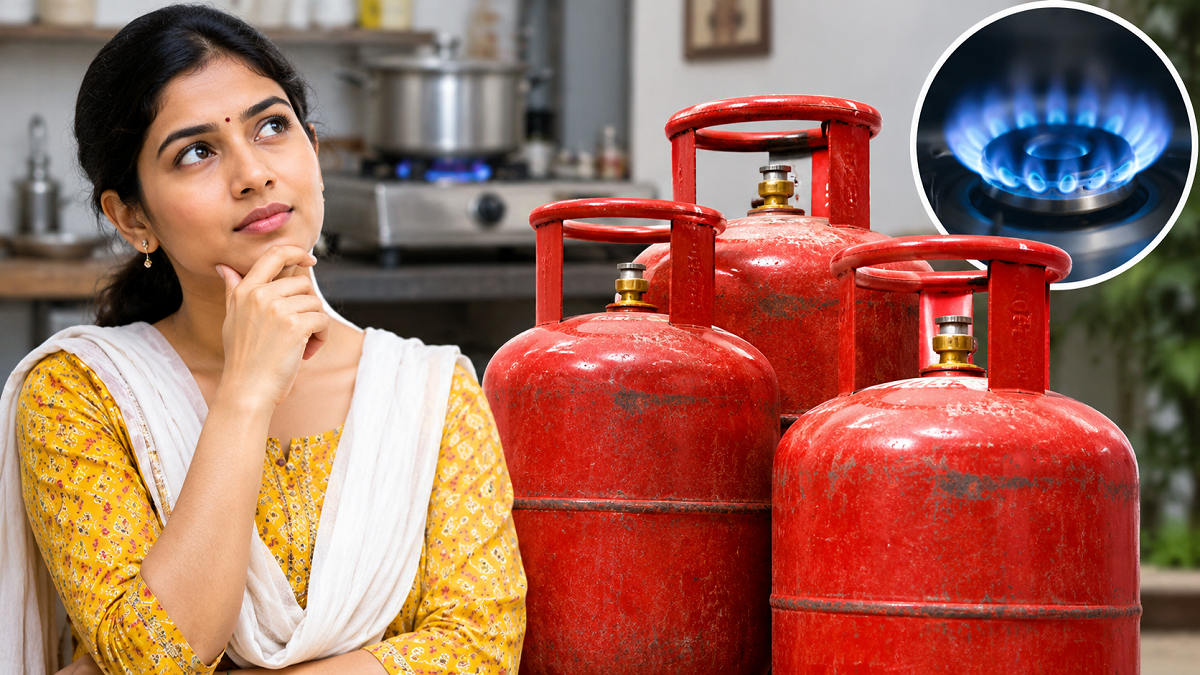
LPG Cylinder Safety Tips 2026: Liquefied Petroleum Gas (LPG) cylinders are an essential part of millions of Indian households. From preparing daily meals to meeting other cooking requirements, domestic gas cylinders provide a convenient source of energy. However, many consumers overlook an important safety marking printed on their cylinders.
Every conventional domestic LPG cylinder requires periodic safety testing to ensure that it remains suitable for continued use. The deadline for this mandatory examination is generally indicated through an alphanumeric code marked on the cylinder.
Many people mistakenly consider this marking to be the expiry date of the cooking gas. In reality, it indicates when the cylinder is due for its next statutory safety test.
Accepting a cylinder that is overdue for testing or visibly damaged could create unnecessary safety risks. Therefore, consumers should understand these markings and check the condition of every cylinder before accepting delivery.
Where Can You Find the LPG Cylinder Testing Date?
Domestic LPG cylinders generally have three vertical metal supports connecting the upper protective ring to the main cylinder body.
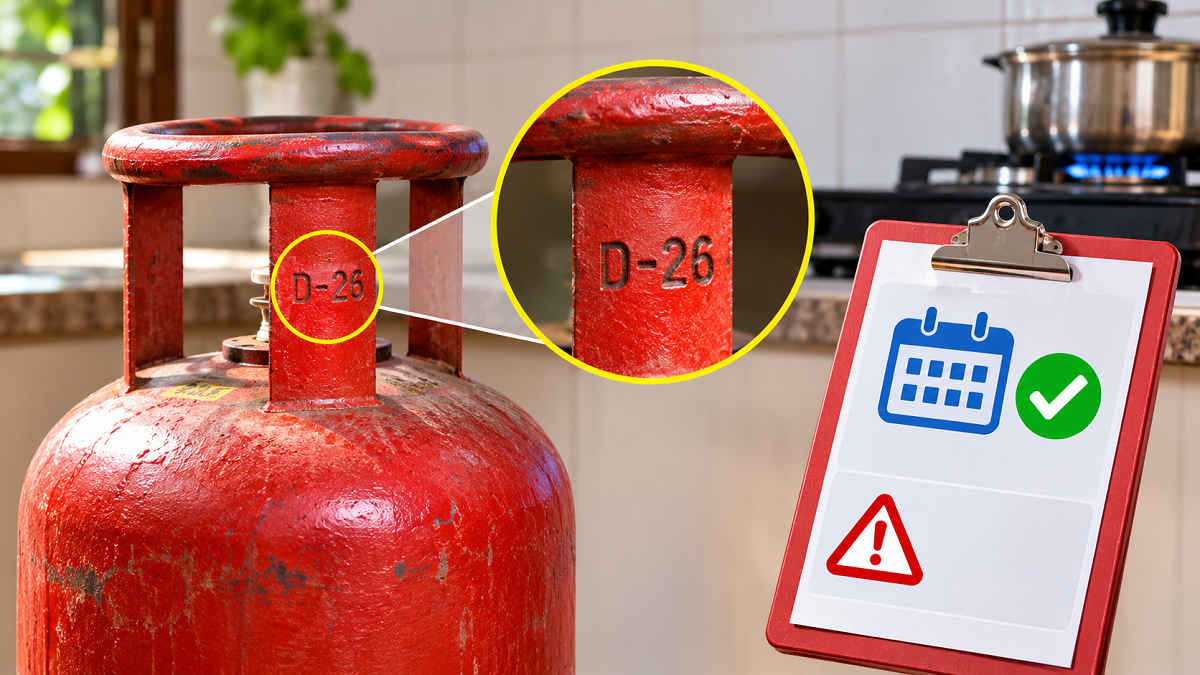
The safety testing deadline is usually marked on the inner surface of one of these metal supports.
Consumers may notice codes such as A-27, B-27, C-27 or D-26 printed or stamped in this area.
These markings contain two important pieces of information. The English alphabet represents a particular quarter of the calendar year, while the numerical digits indicate the year in which the cylinder is due for periodic testing.
Understanding this simple coding system can help consumers identify cylinders that may require further inspection or replacement.
What Do A, B, C and D Mean on an LPG Cylinder?
The English letters used in LPG cylinder testing codes divide the calendar year into four quarters. Each letter represents a specific three-month period.
| Code | Testing Period | Calendar Quarter |
|---|---|---|
| A | January to March | First Quarter |
| B | April to June | Second Quarter |
| C | July to September | Third Quarter |
| D | October to December | Fourth Quarter |
The two digits appearing after the alphabet indicate the relevant testing year.
For instance, if a cylinder carries the marking A-27, its next mandatory safety test is due by the end of March 2027.
How to Understand the LPG Cylinder Testing Deadline
Consumers can easily interpret the cylinder's testing deadline using the alphabet and numerical combination.
Here are some common examples:
| Cylinder Code | Scheduled Testing Period | Testing Deadline |
|---|---|---|
| A-27 | January–March 2027 | March 31, 2027 |
| B-27 | April–June 2027 | June 30, 2027 |
| C-27 | July–September 2027 | September 30, 2027 |
| D-26 | October–December 2026 | December 31, 2026 |
| D-27 | October–December 2027 | December 31, 2027 |
| A-28 | January–March 2028 | March 31, 2028 |
For example, a cylinder marked D-26 is due for testing by the end of December 2026. If the testing deadline has already passed, consumers should contact their authorised LPG distributor for clarification and replacement rather than continuing to use the cylinder.
Is the Testing Date the Actual Expiry Date of LPG Gas?
One of the biggest misconceptions surrounding domestic LPG cylinders is that the alphanumeric code represents the expiry date of the gas stored inside.
The marking does not indicate when the cooking gas will expire or when the cylinder will become empty.
Instead, it specifies the deadline for the cylinder's mandatory periodic safety examination.
LPG cylinders are designed to withstand internal pressure and undergo prescribed inspections throughout their service life. These inspections help identify deterioration, corrosion, structural defects and other conditions that could compromise safety.
A cylinder that successfully passes the required examination may remain in service in accordance with applicable safety regulations.
However, consumers should remember that even a cylinder with a valid testing date may be unsafe if it is damaged or leaking.
What Should You Do if the Cylinder Testing Date Has Passed?
If an LPG cylinder delivered to your home carries an overdue testing date, do not ignore the marking.
Consumers should refuse to accept an overdue cylinder and immediately contact their authorised LPG distributor. If the cylinder has already been delivered, avoid using it until the distributor has addressed the issue.
Request confirmation of the cylinder's testing status and ask for a suitable replacement if the cylinder is overdue for examination or otherwise considered unsafe.
Never attempt to repair, dismantle, modify or conduct pressure testing on an LPG cylinder yourself. Such procedures must be performed by authorised professionals using approved equipment.
Important Checks Before Accepting LPG Cylinder Delivery
Apart from checking the mandatory testing date, consumers should examine the general condition of the cylinder before accepting delivery.
Keep the following safety precautions in mind:
- Check the cylinder's statutory testing deadline.
- Ensure that the safety seal is intact.
- Look for visible dents, excessive rust or structural damage.
- Ask the delivery representative to perform the prescribed pre-delivery safety checks.
- Request a replacement if the cylinder appears damaged or defective.
- Always obtain LPG cylinders from authorised distributors.
- Never accept a cylinder showing signs of leakage.
These basic precautions can help households identify potential safety concerns before connecting a new cylinder.
What Should You Do if You Smell LPG Gas?
A suspected LPG leak should always be treated seriously. If you notice a strong gas smell, avoid lighting matches, using lighters or operating electrical switches.
Turn off the regulator only if it is safe to do so. Open doors and windows if this can be done safely without delaying evacuation.
Move everyone away from the affected area and contact your LPG distributor or the LPG emergency helpline from a safe location.
India's LPG emergency helpline number is 1906. In the event of an immediate fire or serious danger, contact emergency services at 112.
Do not attempt to locate a gas leak using an open flame or carry out repairs yourself.
A Small Safety Check Can Prevent Serious Problems
Checking the testing deadline of an LPG cylinder takes only a few seconds but can help consumers identify cylinders that are overdue for mandatory examination.
Households should make it a regular practice to inspect the testing code, safety seal and physical condition of every cylinder delivered to their doorstep.
Understanding the meaning of A, B, C and D markings can help consumers make informed decisions and maintain safer cooking arrangements at home.
Always follow the safety instructions provided by your authorised LPG supplier and seek professional assistance whenever a cylinder appears defective.