NEWS
LPG cylinder prices have changed significantly; how much will it cost to book a gas cylinder now?
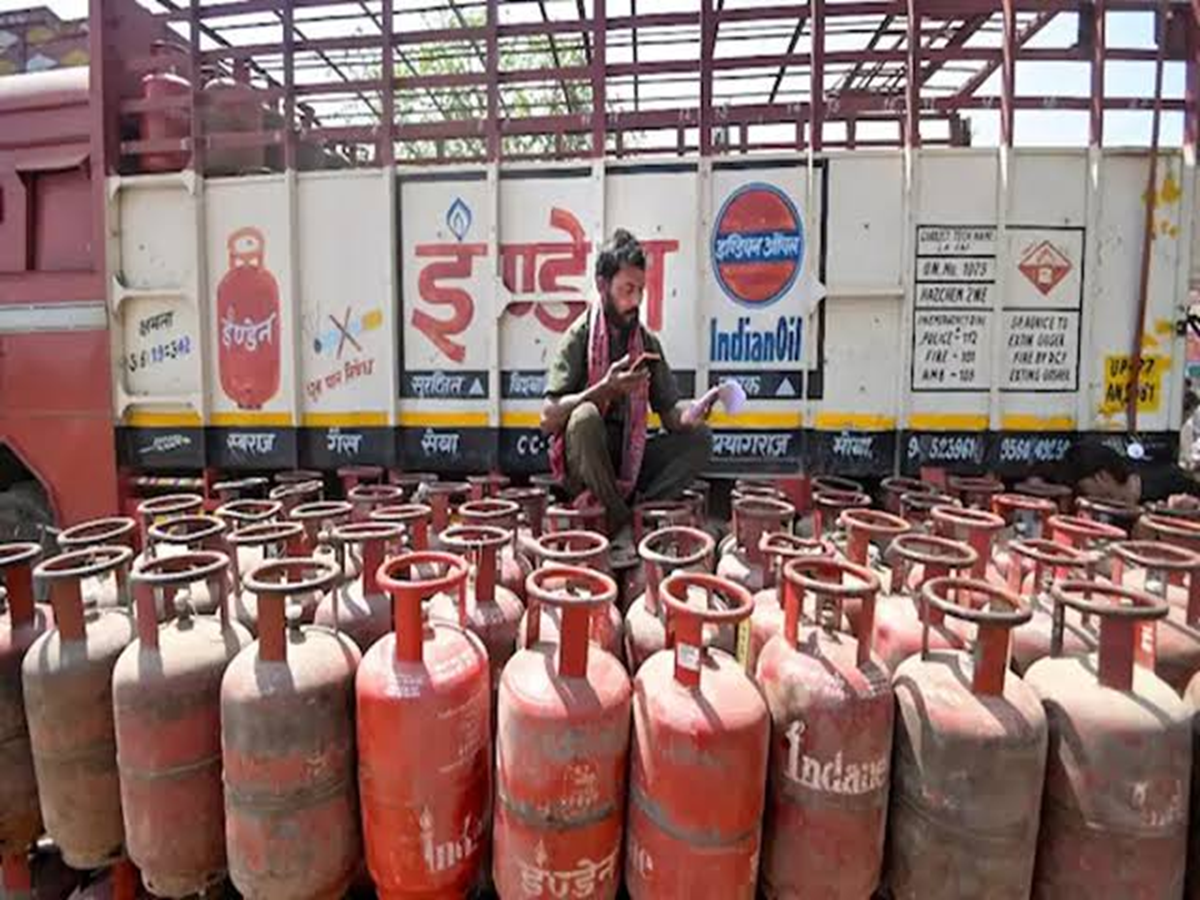
State-owned oil marketing companies (OMCs) have released new LPG rates for today. It's a relief that domestic cylinder prices remain unchanged. Prices have remained stable since June.
LPG Rate Today
LPG cylinders are widely used for cooking in India, so even a slight change in their price can disrupt household budgets. Businesses are no exception.
State-owned oil companies (OMCs) have released new gas cylinder rates for November 23rd. According to the new rates, domestic gas cylinder prices remain unchanged. Meanwhile, the rising cost of commercial gas cylinders has businesses worried.
Rising prices of commercial cylinders
In 2026, commercial cylinder prices were revised a total of 10 times. The first increase was of ₹111 in January. Then, in February, the price was increased by ₹49. Prices were increased twice in March. First, the increase was of ₹28. Then, the price was increased by ₹114.50. Subsequent increases were of ₹195.50 in April, ₹993 in May, ₹42 in June, ₹9.50 in September, ₹62.50 in October, and ₹10 in November.
Check city-wise rates
| City | domestic cylinder price | commercial cylinder price |
| Delhi | Rs 939.50 | Rs 2,820.00 |
| Noida | Rs 939.50 | Rs 2,757.50 |
| Mumbai | Rs 941.50 | Rs 2,774.50 |
| Kolkata | Rs 968.00 | Rs 2,964.00 |
| Patna | Rs 1,031.50 | Rs 3,110.50 |
| Bengaluru | Rs 944.50 | Rs 2,774.00 |
| Bhubaneswar | Rs 968.00 | Rs 3,004.00 |
| Varanasi | Rs 979.50 | Rs 2,942.00 |
| Lucknow | Rs 979.50 | Rs 2,932.50 |
Domestic gas consumers are declining.
The number of 14.2-kilogram gas consumers in the country is steadily declining. During the current fiscal year (April to November 2026), the number of domestic LPG customers in India declined from 334 million to 326.4 million. This represents a total reduction of 7.5 million connections, including approximately 60,000 Ujjwala Yojana beneficiaries.
After the government and oil companies mandated biometric e-KYC, millions of inactive and fraudulent connections were removed from the system due to the surrender of multiple connections in the same person's name and the failure to verify them in a timely manner. OTP-based delivery is also a major reason for this. The mandatory OTP requirement on the registered mobile number at the time of cylinder delivery has prevented the commercial use of domestic cylinders. Connections not used by the original customers have been shut down.