
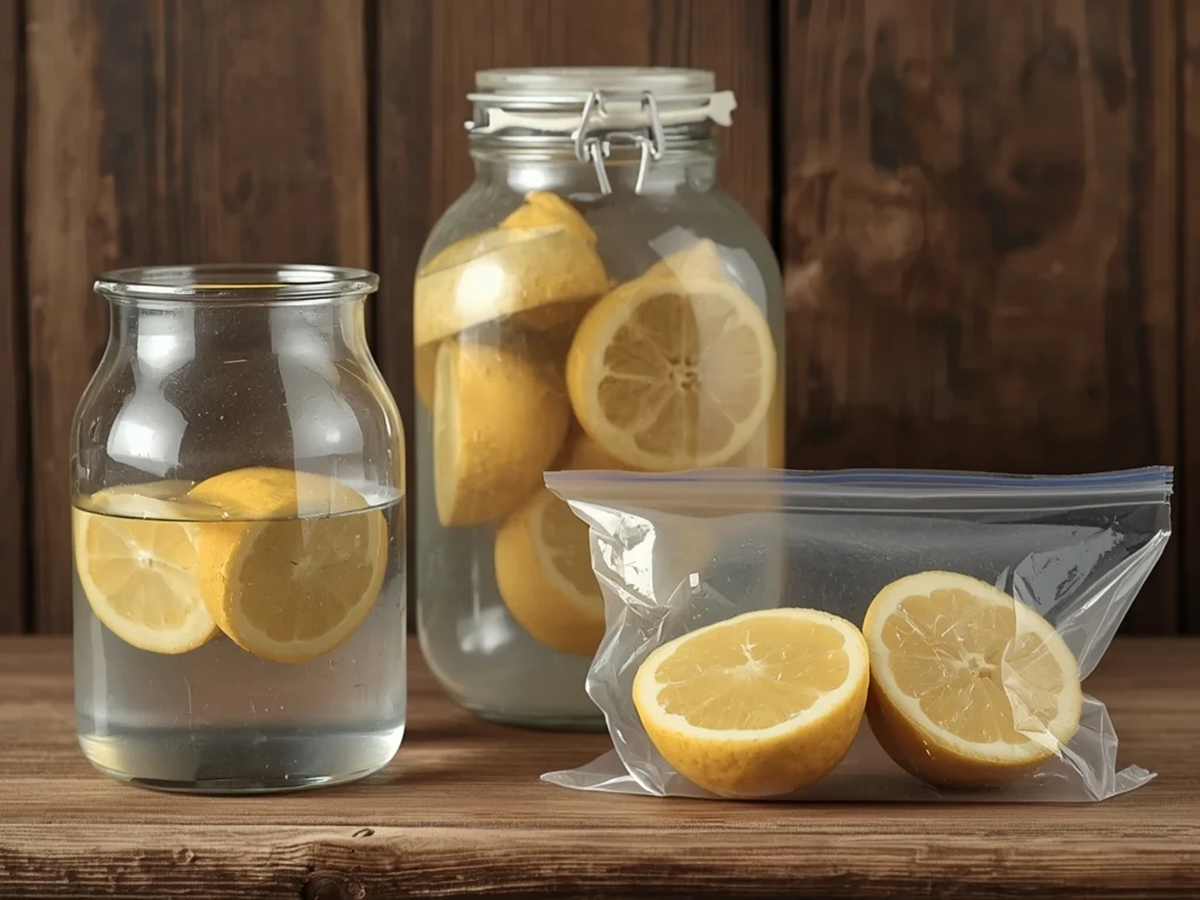
Lemon Storage: The crisper drawer can be used to store lemons in the refrigerator. According to Lamarita, lemons can be stored in the crisper drawer without any packaging.

How to keep lemons fresh for a long time with home remedies
How to Store Lemons Fresh: If lemons appear dry and hard after a few days of purchase in winter, it could be due to improper storage. Lemons are used in everything from food to drinks and a variety of recipes. Therefore, if you've purchased several lemons at once, it's important to store them properly so that their juice and peel can be used for a long time.
Keeping lemons fresh for a long time starts with buying the right lemons. According to chef-instructor Richard Lomarita, ripe lemons can be identified by their shiny peel, firm texture, and deep yellow color. Therefore, when buying lemons at the market, avoid lemons that are too shriveled or crushed. Choose lemons that are bright in color, feel firm, and have a good amount of juice.
It is better to keep ripe lemons in the refrigerator.
The easiest way to keep lemons fresh for a long time is to store them in the refrigerator. If the lemons are fully ripe, the refrigerator is the best place for them. Lemons that still have a little green in them can be stored at room temperature, away from sunlight, until they ripen. However, fully ripe lemons will not stay fresh for as long if left on the kitchen counter.
How to store lemons in the crisper drawer
The crisper drawer can be used to store lemons in the refrigerator. According to Lamarita, lemons can be stored in the crisper drawer without any packaging and can last for a month or more. Crisper drawers have controlled ventilation. Storing lemons in a place with low humidity and proper airflow can help maintain their freshness for longer. If space is limited in the crisper drawer, lemons can also be stored in a container in the main refrigerator.
You can also store it by keeping it in water.
The method of storing lemons in water has also been widely discussed on social media. This method involves placing the entire lemon in a jar filled with water and storing it in the refrigerator. While the claim of keeping lemons fresh for three months is not fully confirmed, it can keep them fresh for a few weeks. It's important to note that bacteria on the surface of the lemon can contaminate the water.
Avoid storing in plastic bags.
To keep lemons fresh longer, it's important to give them room to breathe. Storing lemons in plastic bags can trap moisture and cause them to spoil faster. Paper bags or reusable mesh bags can be used instead. These allow for better air circulation, helping lemons stay fresh longer.
Keep lemons away from other fruits.
It's also beneficial to store lemons separately from other fruits and vegetables. Some fruits and vegetables release ethylene gas, which can accelerate the ripening process of fruits and vegetables stored nearby. Lemons are also sensitive to the effects of ethylene. Therefore, storing them with fruits and vegetables that emit ethylene gas can cause them to spoil faster.
If you have too many lemons, freeze them.
If you have more lemons than you need at home, you can freeze them. Whole or sliced lemons can be frozen for four to six months. If you want to store lemon slices individually, freeze them first on a tray and then place them in a freezer-safe bag.
Although the texture of lemons may change after freezing and soften upon thawing, their juice remains. If texture is a concern, you can simply juice the lemons and freeze them.
How to keep cut lemons fresh
If you have leftover lemon juice after cutting, the cut portion can be stored properly. Place the cut portion in the refrigerator and cover it tightly with plastic wrap. Store it in an airtight container and keep it for a few days.
How to store leftover lemon juice
Leftover lemon juice can be stored in a sealed container or bottle in the refrigerator. It will last for about four days. For longer shelf life, freeze it in ice cube trays and use it in small portions as needed.
Don't waste lemon peels either.
Instead of throwing away the lemon peel, you can also remove its zest. Stored in an airtight container, it can be kept in the refrigerator for about six days, while in the freezer, it can be kept for up to three months. This way, not only the lemon juice but also the peel can be used to flavor dishes later.