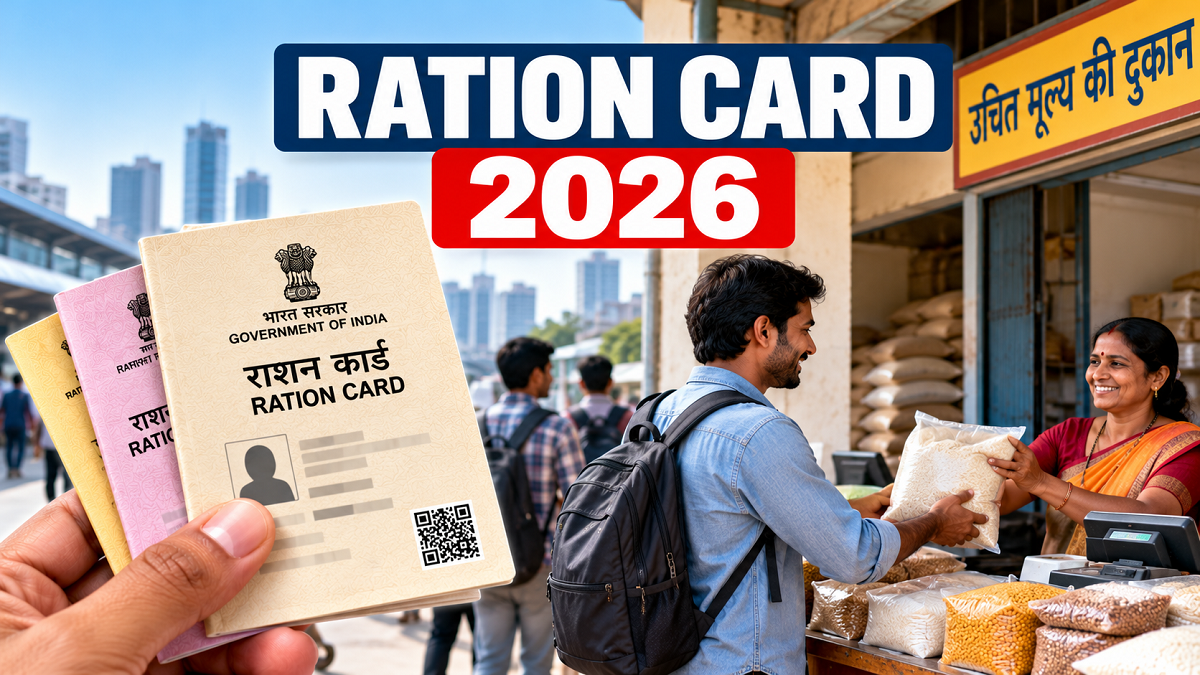
Indian Handloom Saree: There are many places in India where saree embroidery and weaving are exceptionally well-known. Some of these places are renowned worldwide, while others have not received as much attention.
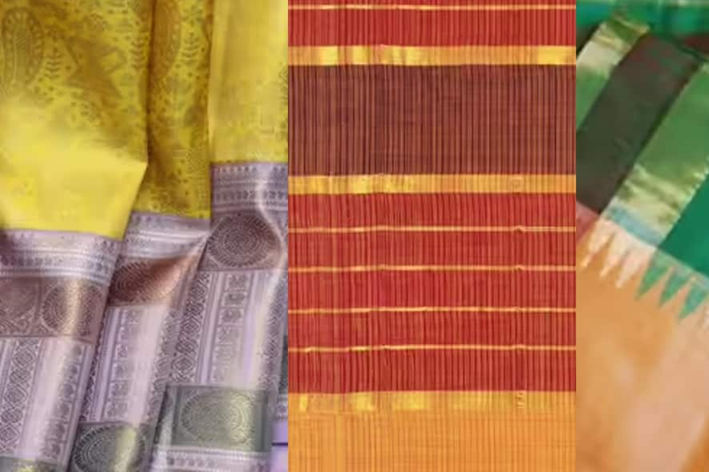
How are Lalitpur Zari Silk Sarees made?
Traditional Sarees From Bundelkhand: India's textile tradition is considered one of the richest in the world. Different parts of the country have their own unique weaving and textile traditions, reflecting history, culture, and local lifestyles. While Banarasi and Kanjeevaram sarees are known worldwide, there are many traditional weaves in India that have not yet gained much attention. One such is the Lalitpur Zari silk saree, considered a unique handloom art associated with the Bundelkhand region.
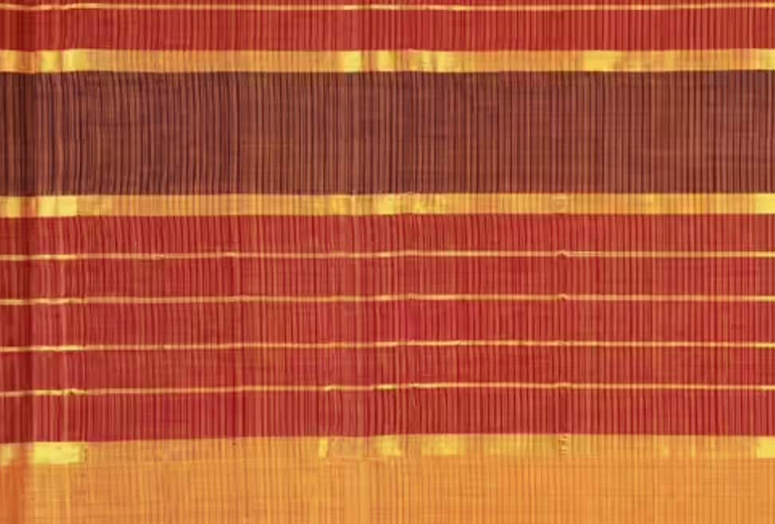
Lalitpur is a historic area in the Bundelkhand region, located near the border of Madhya Pradesh and Uttar Pradesh. This area is known for its ancient temples, forts, and traditional handicrafts. Weaver families here have preserved the art of making this unique saree for generations. Local artisans have taught and passed down this weaving technique within their families. This is why the traditional craftsmanship is still evident in the sarees produced here. Lalitpur sarees are particularly recognized for their intricate zari work and strong fabric.
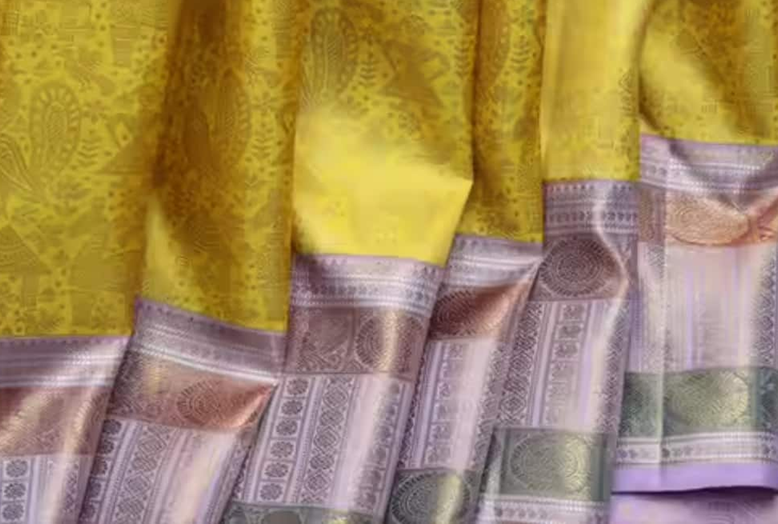
The most distinctive feature of these sarees is their beautiful blend of zari and silk. The fine silk fabric gives the saree a soft and luxurious look, while the zari weave on the borders and pallu adds to its allure. The designs on the sarees are often inspired by nature, temple architecture, and local cultural symbols. Their color combinations are also distinctive, often using gold and silver to bring out the shine of the zari.
The process of making a Lalitpur zari silk saree is quite laborious. It begins with the preparation of the raw silk threads. The threads are first cleaned, then dyed, and then prepared for weaving. Next, the design is planned, which determines the patterns to be created on the saree. OOnce this is complete, the threads are carefully set on the loom, and weaving begins.The zari threads are attached to the saree using a special technique, creating beautiful designs on the borders and pallu. Finally, the saree is finished, which can take several days.