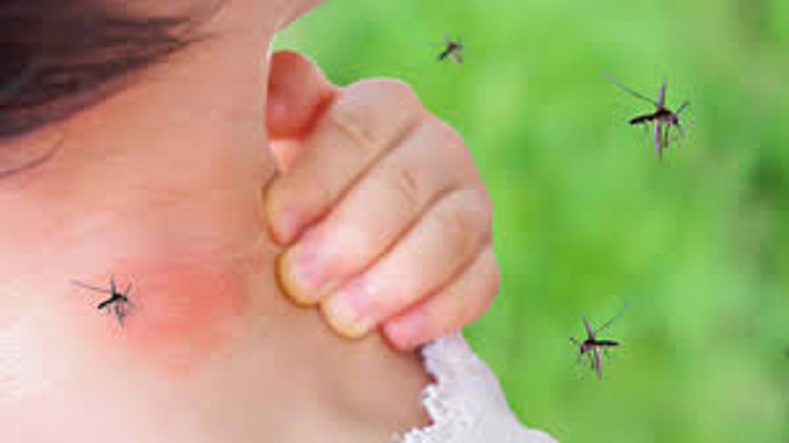
If you are applying any mosquito repellent cream or spray to your children to protect them from mosquitoes during the rains, then be careful. Read further to know which dangerous chemicals are present in these creams…
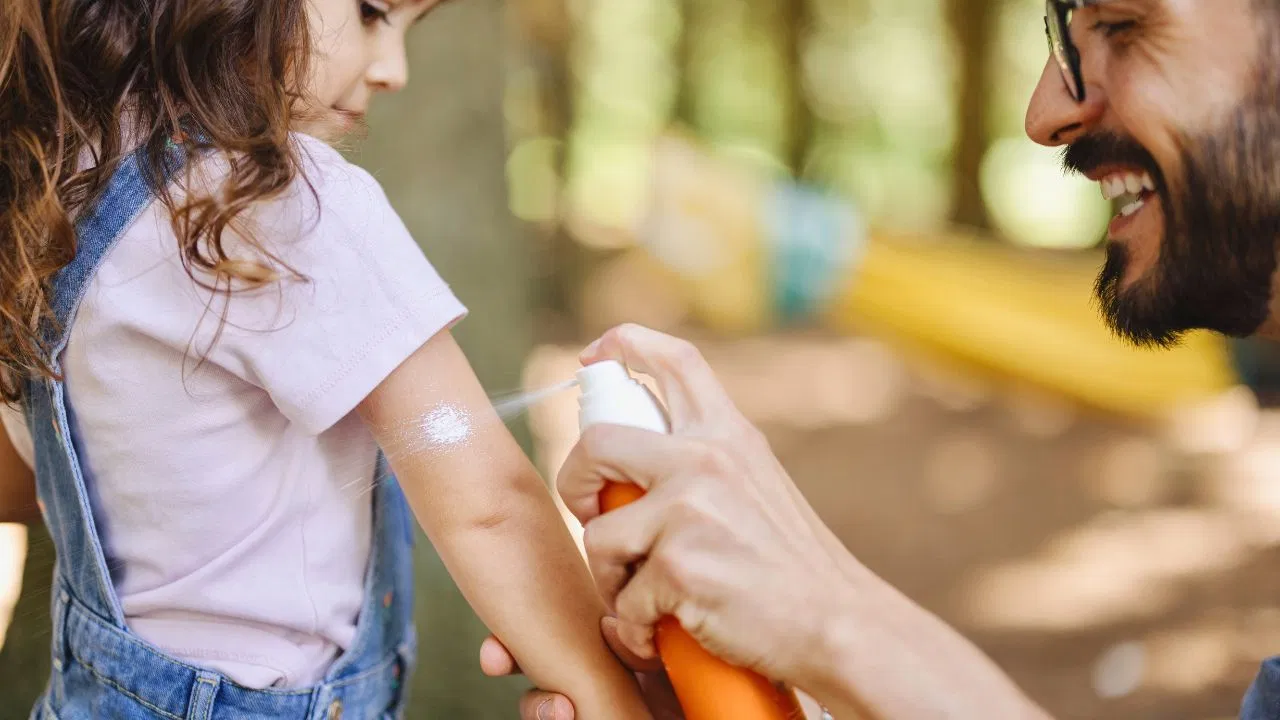
Chemicals in Mosquito Repellent Cream: As soon as the rainy season begins, the terror of mosquitoes increases in every house. Especially when there is a small child in the house, the worry of parents increases even more. Because on one hand it is important to protect the children from mosquito-borne diseases like dengue, malaria, chikungunya, on the other hand, there is also a fear about the effect of the use of mosquito repellent products like cream, spray or coil sold in the market on the delicate skin and health of children.
This is the reason why a question comes up again and again in the minds of most parents, is it right to apply mosquito repellent cream on children? This concern is even more for newborns or children up to 5 years of age. Some say apply cream, some say adopt natural remedies. But what is the truth, we will know this from the experts.
Dr Rakesh Bagdi of the Pediatrics Department at Delhi AIIMS says that children's skin is very sensitive. Their immunity is also developing. In such a situation, things that are considered safe for adults can be harmful for children. Applying any cream to children is also dangerous because the child touches his hands or clothes with his eyes or mouth while playing, due to which chemicals can enter the body and cause harm.
Which chemical is in mosquito repellent cream
Now the question arises that what chemicals are present in these mosquito repellent creams or lotions available in the market? The answer is yes.
1- DEET (Diethyltoluamide)
DEET is the most commonly used repellent chemical. The amount of the chemical varies from 5 to 100 percent in different repellents. According to WHO, only those repellents which contain less than 10 percent DEET will be safe for children. Its excessive use can cause itching and skin allergies.
2- Picaridine (Icaridin)
This chemical is similar to DEET but has less smell. It is light and does not cause stickiness on the skin. It is slightly better for children but the amount of chemical should not exceed 10 percent.
3- Oil of Lemon Eucalyptus (OLE)
This is a chemical extracted from a natural source, but it is also prepared through processing. Even though it is made naturally, it is not considered safe for children under 3 years of age.
4- Permethrin
This chemical is rarely found in creams or sprays but is made to be used on clothes or mosquito nets. If it is applied on children's skin, it can cause itching, skin infection or allergy.
Using the right options
-Now some natural or herbal mosquito repellent products have also started coming in the market, which use oils like citronella, lemongrass, eucalyptus. These are considered comparatively safe for children.
Apart from this, you can also focus on physical protection. Like make your child wear full sleeve clothes, use mosquito net while sleeping, do not let water accumulate around the house, and be fully prepared before playing outside in the evening.
If you want to apply cream, then after consulting a doctor, choose a cream which contains less amount of DEET and which is specially made for children. Also, first do a patch test by applying a little on the hands and feet of the child so that there is no skin reaction.