NEWS
Instantly reduce your electricity bill by up to 20%! Just do this on your refrigerator or inverter.
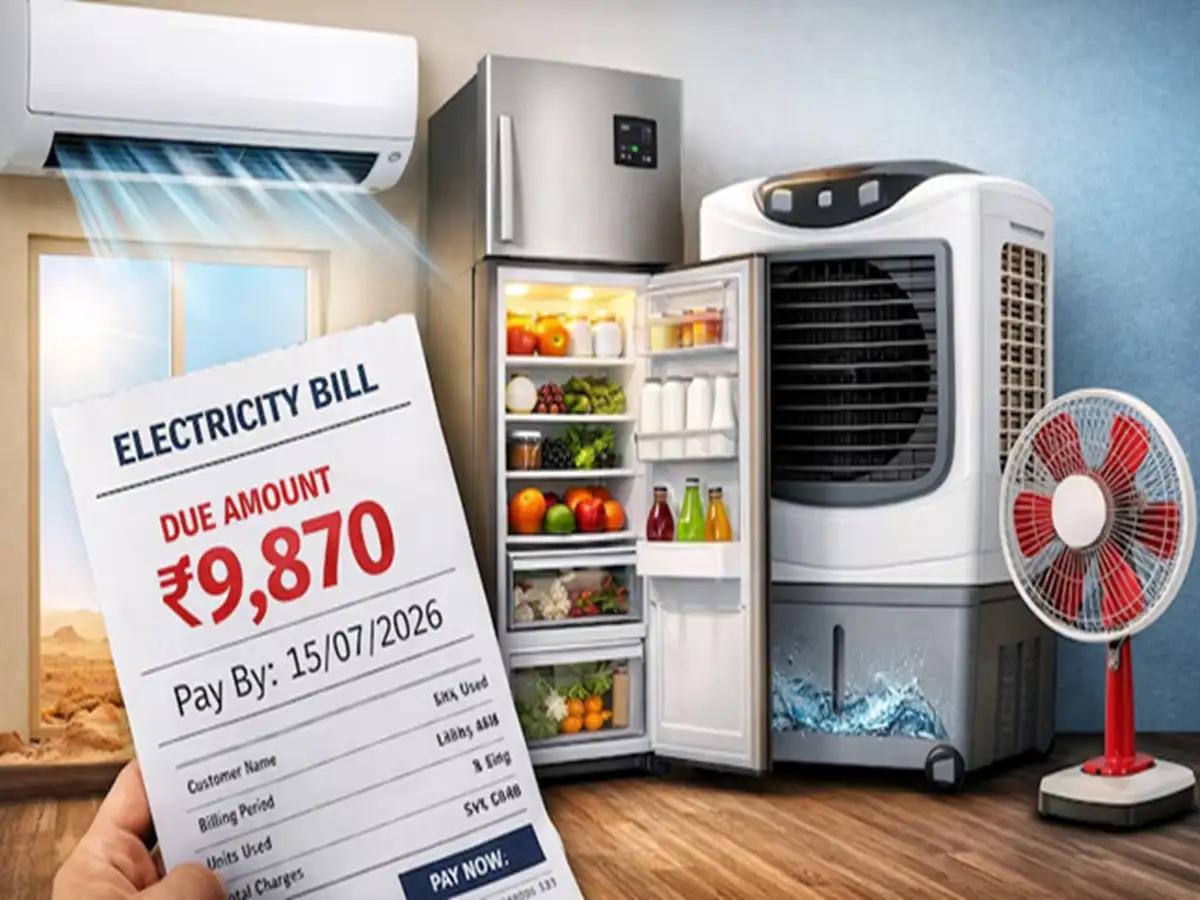
Are you worried about the hefty monthly electricity bills? Changing certain settings on your refrigerator and inverter can instantly reduce your bills. Learn about these easy ways.
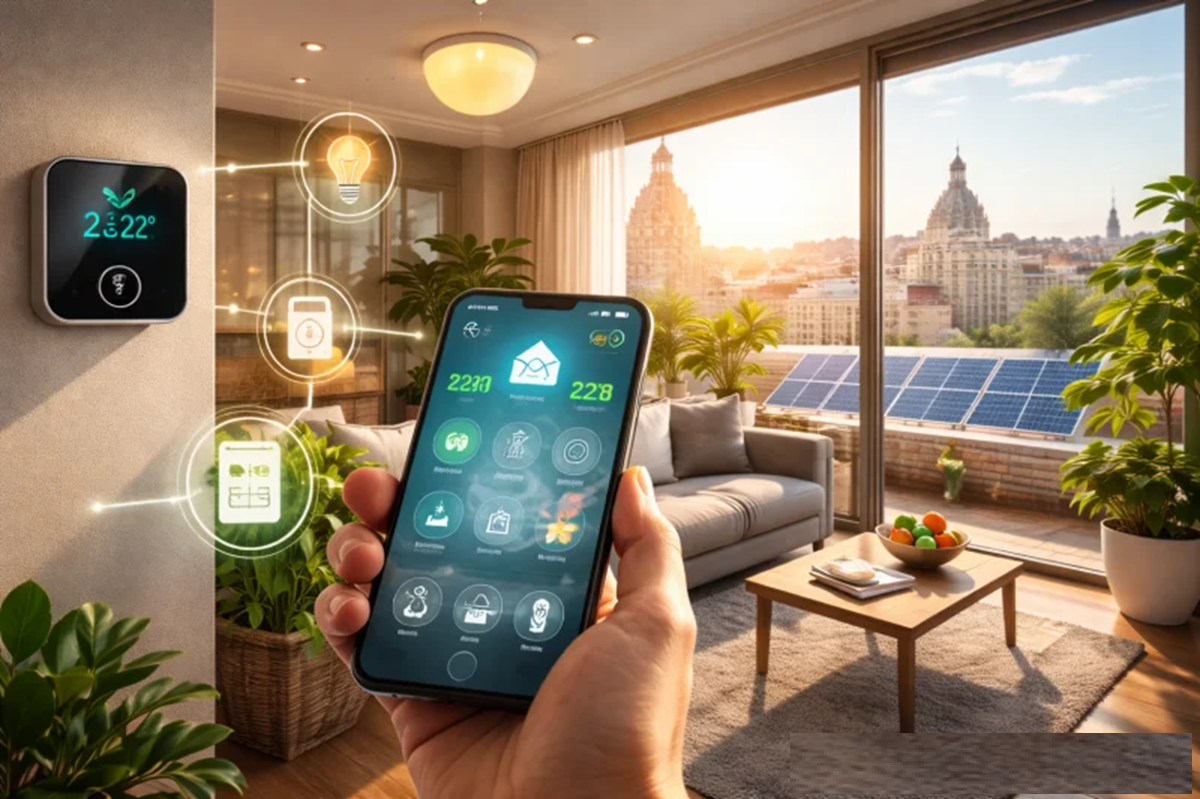
Tips to reduce your electricity bill
Whether it's summer or winter, electricity is essential. However, certain appliances in the home consume a lot of power, resulting in higher electricity bills. During the summer, when ACs, refrigerators, and inverters run day and night, the meter runs at a rapid rate. People often think that reducing electricity consumption may require replacing expensive electronic devices or compromising on their comfort.
So let me tell you, there's no need to do this. By changing the correct settings of some essential household appliances, you can reduce your electricity bill by up to 20 percent. Learn about some simple and highly effective methods that, if implemented on your refrigerator and inverter, will significantly reduce your monthly electricity bill.
Refrigerator temperature and cooling control is essential
The refrigerator is the single most power-hungry appliance in your home, running 24 hours a day. Most people either set their refrigerator's cooling setting to maximum or forget to adjust the temperature even when the weather changes. In summer, it's ideal to keep the refrigerator's temperature between two and four degrees Celsius. However, in winter, it can be lowered slightly.
Additionally, many people place their refrigerators too close to the wall. This prevents the coils behind the refrigerator from getting air, putting more pressure on the compressor and leading to a rapidly increasing electricity bill. Frequently opening the refrigerator door and placing hot food inside also forces the compressor to work harder. Therefore, always place the refrigerator away from the wall in a well-ventilated area, open the door only when necessary, and ensure the correct thermostat setting.
Save electricity with inverter battery and load management.
The home inverter and its battery also play a role in increasing electricity bills. As the home inverter battery ages and its electrolyte levels decrease, it takes longer to charge. This prolonged charging time means the meter is constantly drawing power, resulting in significant energy wastage. Furthermore, many people fail to properly calculate the load when installing the home's main wiring and inverter.
This can lead to problems like power leakage and battery overcharging. You should periodically check your battery's water level and ensure the inverter switches to auto-cut mode after charging is complete. Turn off any appliances connected to the inverter that aren't needed at the time, as even a small load can add to your monthly bill.
Keep these things in mind as well.
In addition to properly setting your refrigerator and inverter, some small everyday habits can also contribute significantly to reducing your electricity bill. Often, when leaving the house, we leave the room fan, cooler, or TV switched on, or we leave our phone or laptop charger plugged into the power supply even after charging, which is known as a phantom load.
Additionally, consider replacing old, traditional bulbs with LED lights, as they provide more light with significantly less electricity. If you incorporate these small yet crucial steps into your lifestyle, you'll see your electricity bill drop by up to 20 percent next month.