LIFESTYLE
How To Make Poori: Every Puri will puff up like a balloon, just do this one thing while kneading the dough
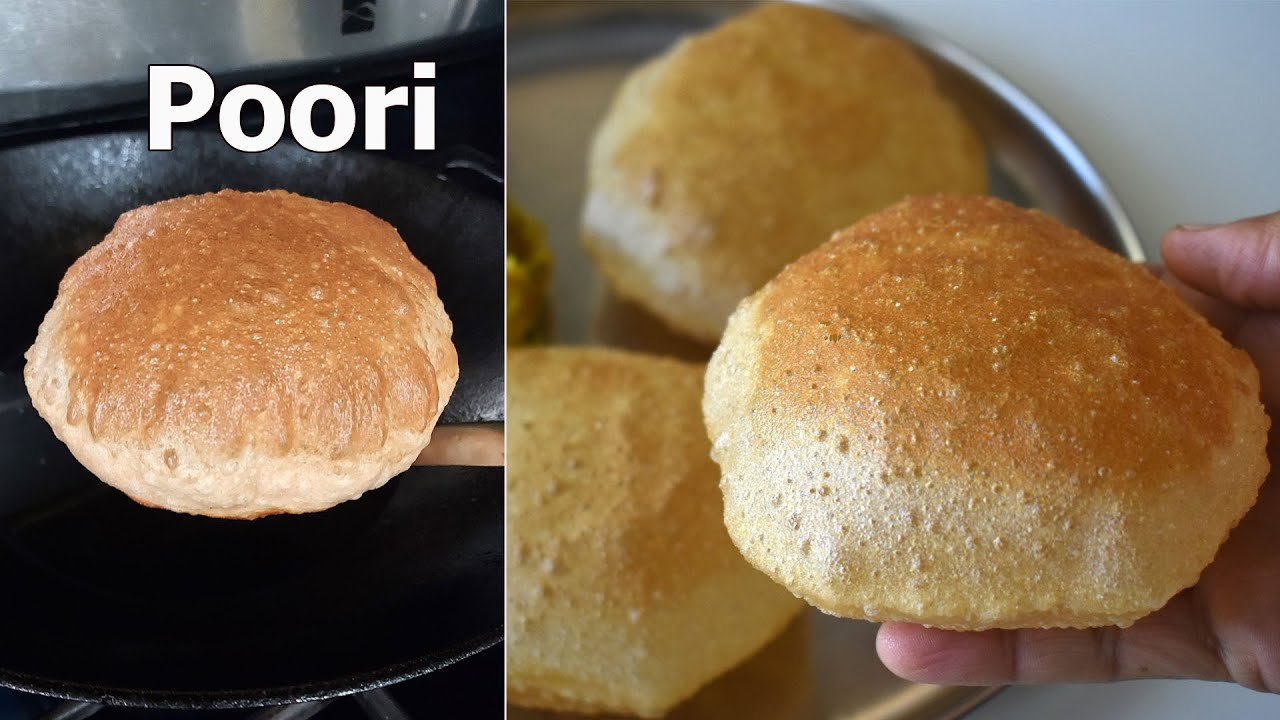
Puffy Poori: The biggest problem when making puris at home is when they don't puff up properly or absorb too much oil. Let's explain an easy solution.

How to make balloon-like puffed puri
Secrets To Make Crispy And Soft Poori: When hot puris puff up into round balloons as soon as they are put in oil, everyone is delighted to see it. But the biggest problem while making puris at home is when the puris do not puff up properly or absorb too much oil. Many people think that making good and fluffy puris is only for experienced people, but this is not the case. If the dough is prepared correctly, the puris are rolled to the right thickness and the oil temperature is maintained properly, then light, fluffy and crispy puris can be made at home too.
What should be the dough for Puri?
Puri dough shouldn't be as soft as roti dough. It's important to keep it a little stiff. Its base is wheat flour and water. Adding too much water while kneading can soften the puri dough, making it difficult to roll and puff up properly. If the dough is too dry and isn't coming together properly, add water in small amounts instead of adding a lot at once. Once the dough is well kneaded, add a teaspoon of oil and knead for a minute or two. This smooths the dough.
After preparing the dough, it doesn't need to be left to rest for too long. Letting the puri dough rest for about 5 to 10 minutes is sufficient. Leaving it to rest for longer can affect the texture of the puri.
Adding semolina will make the puri more crispy.
If you'd like to make your puris a little crispier, you can add a small amount of semolina to the dough. This adds crispness to the puris and helps them stay crisp for longer. However, adding semolina isn't necessary when making puris at home. You can omit it altogether if you prefer.
Keep this in mind while rolling the Puri
Puri should not be rolled out too thinly or too thickly. Its thickness should be kept around 1 millimeter. If the puri is too thin, it will not puff up properly. However, a thicker puri may cause problems with cooking properly from the inside. Another important thing is to avoid using dry flour when rolling the puri. Unlike roti, using dry flour can cause small particles of flour to burn when the puri is placed in hot oil. This can not only contaminate the oil but also affect the taste of the puri. Instead, you can lightly dip the dough ball in oil before rolling it. This will make the puri easier to roll and prevent sticking.
The oil temperature must be correct
The temperature of the oil is also crucial for the puris to rise properly. If the oil is too cold, the puris may absorb too much oil, resulting in a heavy or soft texture. If the oil is too hot, the puris may brown quickly on the outside and not cook properly on the inside. To check the oil temperature, drop a small piece of dough into the oil. If it immediately rises to the surface and sizzles, the oil is hot enough. Oil with a high smoke point, such as sunflower oil or rice bran oil, can be used for frying puris.
Do not make this mistake while putting Puri in oil
Instead of placing the rolled-out puri flat into the oil, carefully place it on one side. Special care is required when working with hot oil. As soon as the puri is placed in the oil and begins to fry, gently press it into the oil with a strainer. This helps the puri to puff up. When the puri begins to puff up, turn it over and lightly press the other side. Within a few seconds, the puri will begin to turn golden. Then, remove it from the oil. It should take approximately 20 to 25 seconds for each puri to cook, depending on the temperature of the oil and the thickness of the puri.
How to prevent Puri from absorbing too much oil?
To do this, first keep the dough firm. Furthermore, it's crucial to roll the puris to the correct thickness and maintain the correct oil temperature. If the oil isn't hot enough, the puris may absorb too much oil. Therefore, monitor the oil temperature before frying puris. Also, avoid letting the puri dough rest for too long. A resting time of 5 to 10 minutes may be sufficient.
How to store Puri?
Fried puris can be stored in an airtight container at room temperature for about a day. A paper towel can be used before storing them in the container to absorb excess oil and prevent the puris from becoming soggy. If the puris need to be refrigerated, they can be stored in an airtight container, but this may reduce their crispness. To reheat puris stored in the refrigerator, they can be heated on a hot pan for about 20 to 30 seconds on each side. Microwaved puris can make them chewier and softer.