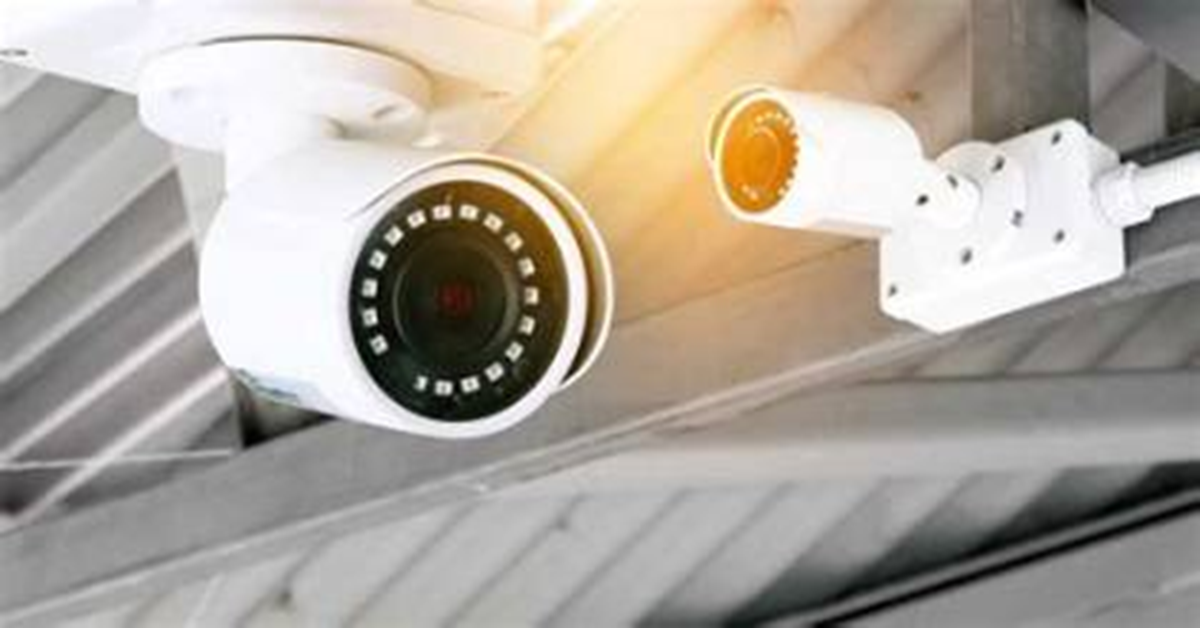
The Delhi Police is planning to install 338 CCTV cameras at a cost of ₹15.7 crore. These include technology for facial recognition and vehicle number plate reading. Learn about their prices and features.
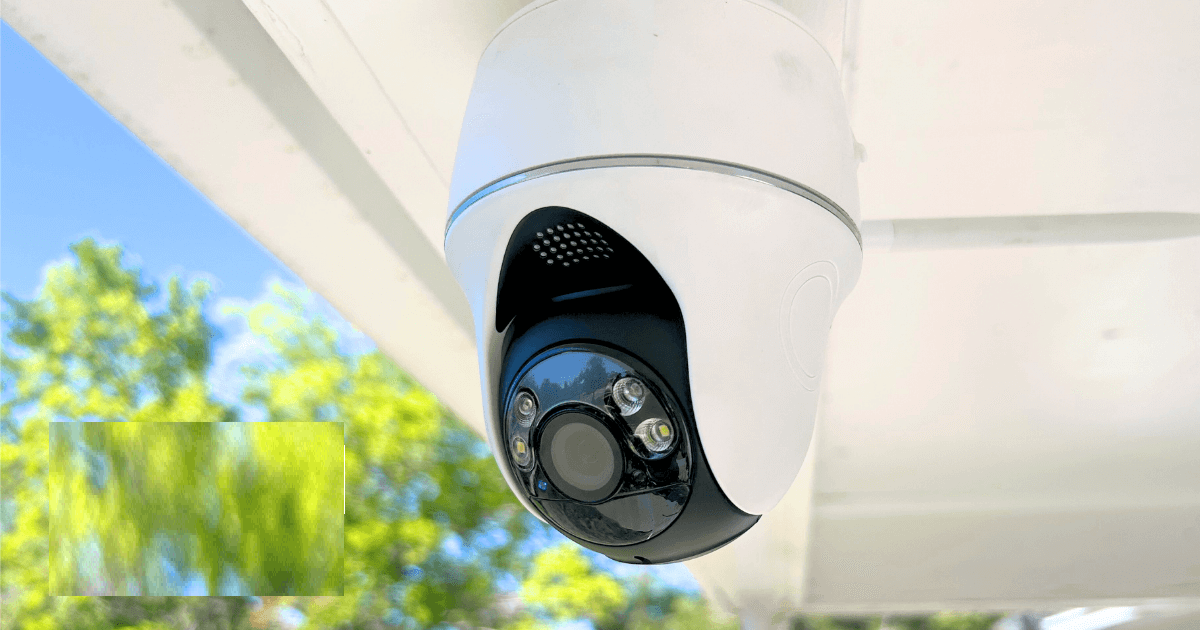
Features of facial recognition camera
CCTV cameras are once again in the news in connection with protests and security arrangements in Delhi. CCTV cameras installed on the streets are no longer limited to recording pedestrians. With the help of new technology, some cameras are also capable of recognizing faces and reading vehicle license plates. To expand the use of this technology, the Delhi Police is planning to install 338 CCTV cameras in the Central and New Delhi areas.
This tender, worth approximately ₹15.7 crore, includes fixed cameras, along with cameras with face recognition and automatic number plate recognition (ANPR) technology. Many people are wondering how these cameras differ from regular CCTV cameras, what features they offer, and how much they cost to install. So, let's explore how much a facial recognition camera costs and what features it offers.
What will be special in Delhi Police cameras?
The Delhi Police proposal includes 248 fixed cameras, 43 PTZ cameras, and 47 ANPR cameras. Video management software, data storage, and related systems will also be part of the five-year contract. The cameras are proposed to be installed at locations such as the VVIP gate of Ramlila Maidan, Turkman Gate, Delhi Gate, Rajghat, the C-Hexagon of India Gate, Mandi House, and Patiala House Court.
How much does a face recognition camera cost?
The price of a face recognition camera depends on its features, recognition capabilities, and security technology. In India, a basic face recognition device can cost around ₹7,000 to ₹20,000. Advanced devices with AI and liveness detection can cost around ₹18,000 to ₹35,000 or more. Devices with multiple options, such as face, fingerprint, and card, can cost ₹20,000 to ₹60,000 or more. GST, installation, and software costs may also vary.
What features are available in the cameras?
These devices may include features like liveness detection, which helps distinguish between a real person's face and one displayed on a photo or mobile screen. Infrared light and WDR technology are useful for low-light operation. Some cameras also include edge AI processing, allowing data analysis on the device itself. Additionally, features like number plate recognition, camera orientation, and software management of recordings may also be part of the system.
How does face recognition technology work?
A typical CCTV camera records video of surrounding activity, while a face recognition system matches a facial image to an available database to determine a possible identity. However, the results obtained from the camera are not a surefire confirmation of a person's identity. The technology can sometimes misidentify them.