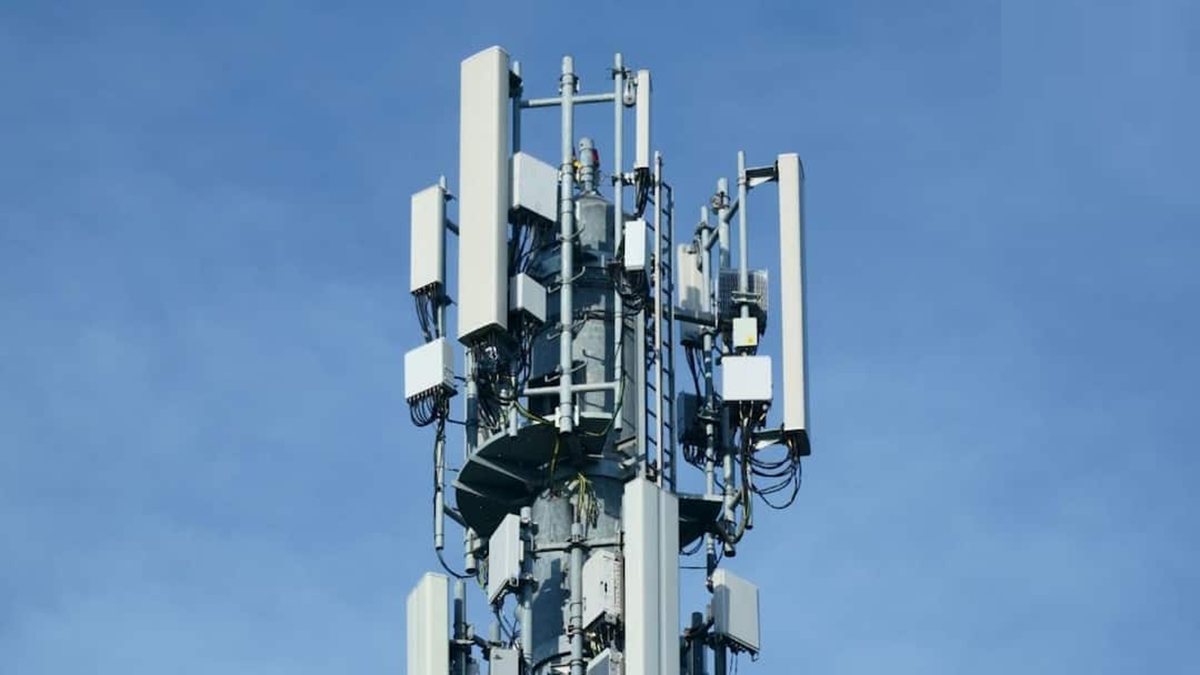
Several technologies are used to increase the capacity of 5G towers. So today we'll explain how tower upgrades work and how much it costs to increase their capacity.
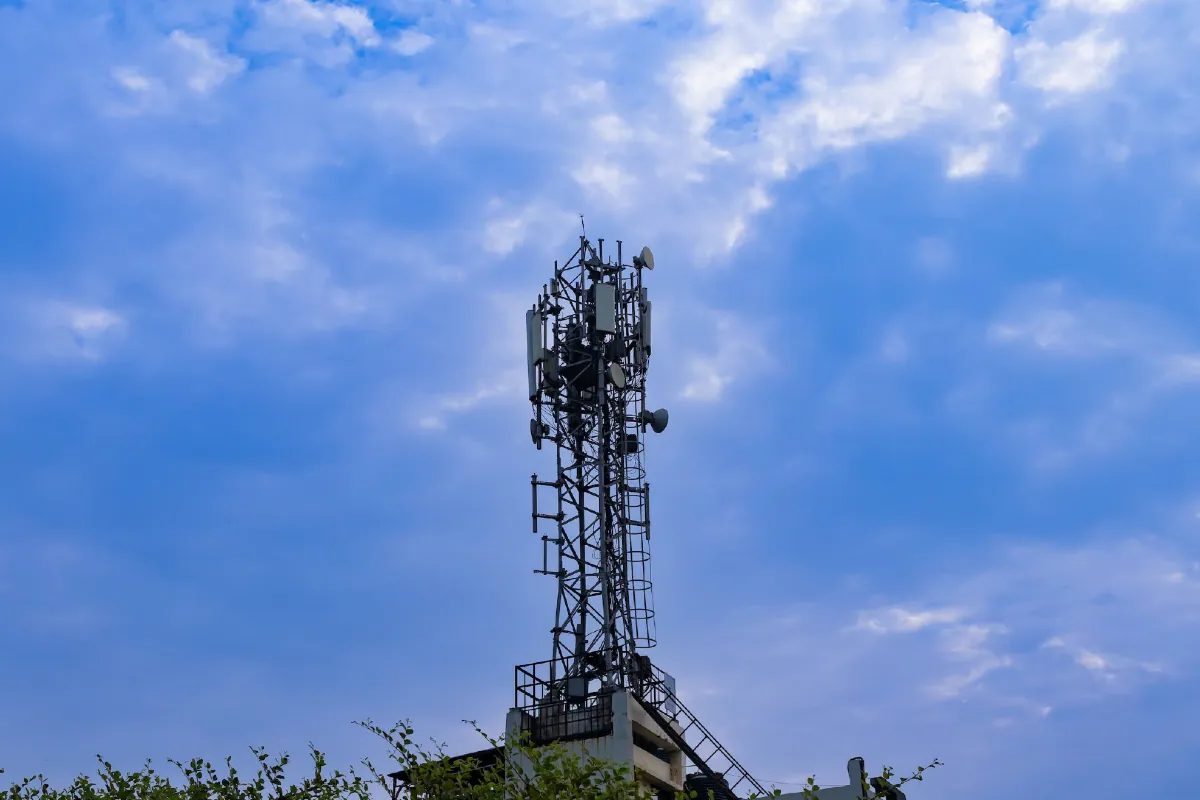
(How 5G increases its capabilities)
5G networks are expanding rapidly these days. However, simply rolling out 5G in an area isn't enough. As the number of users and internet data consumption increases, mobile network capacity needs to be expanded. To achieve this, telecom companies make various upgrades to towers and network infrastructure.
Why is there a need to increase the capacity of 5G towers?
The capacity of a mobile tower isn't unlimited. Existing networks may function smoothly when there are few users in an area, but as users increase, the data traffic on the tower increases.
In particular, video streaming, online gaming, video calls, and downloading large files over 5G increase network load. This can impact internet speeds and network stability, forcing operators to increase the capacity of existing sites.
More spectrum increases capacity.
One easy way to increase the capacity of a 5G network is to use additional spectrum. Telecom companies have spectrum in different bands. If there is more traffic in an area, the available spectrum can be used more effectively.
In many cases, operators achieve greater capacity by using different 5G bands together, through technologies such as spectrum aggregation.
New devices are installed on the tower.
Increasing capacity doesn't just involve increasing tower height. Sometimes, new radio units, antennas, or other network devices are installed at existing sites.
Advanced 5G networks also use systems like Massive MIMO, where multiple antenna elements work together to better serve more users from a single site.
The backhaul should also be strong.
For your information, increasing tower capacity is of no use if the backhaul is weak. Backhaul is the connection that connects mobile sites to the operator's main network.
Fiber optic connections are used for this. On high-traffic towers, the capacity of the fiber link can be increased to handle the large data traffic flowing to and from the tower.
Small cells are installed when needed.
If an area consistently receives a lot of traffic on a single tower, additional Small Cells are installed. These small network stations increase network capacity over a short distance.
This type of network is especially useful in shopping malls, stadiums, markets, airports, and densely populated areas. This reduces the pressure on the main tower.
How much money is spent?
It's worth noting that the cost of expanding 5G network capacity can't be pinned down to a fixed amount. It depends on whether operators need to upgrade software alone or install new radios, antennas, fiber, and other equipment.
While minor upgrades to a standard site are inexpensive, installing new radio equipment, Massive MIMO systems, power systems, and fiber backhaul can cost millions. Building a new site is even more expensive, with ongoing costs such as site rent, electricity, maintenance, permits, and backhaul.