Staying in hotels has become a normal part of modern life, whether for vacations, business trips, family events, or weekend getaways. Most hotel rooms appear perfectly clean at first glance, with bright white bedsheets, polished mirrors, neatly folded towels, and a fresh fragrance creating the impression of complete hygiene.
However, travel experts warn that some of the dirtiest places inside hotel rooms are often hidden in plain sight. Even luxury hotels may have frequently touched items that are not cleaned as thoroughly as guests expect.
Before settling into your room, here are some important things travelers should inspect carefully for better hygiene and safety.
TV Remote Is Often One of the Dirtiest Items
The TV remote control is considered one of the most touched objects inside any hotel room.
Almost every guest uses it, yet in many hotels:
- It may only receive a quick wipe during housekeeping
- Proper sanitization is often skipped
- Germs and bacteria can accumulate easily
Frequent travelers often sanitize the remote immediately after entering the room.
Safety Tip:
- Use disinfectant wipes on the remote
- Or place it inside a disposable plastic cover while using it
Decorative Pillows and Bed Runners May Contain Germs
Those stylish decorative cushions and colorful bed runners may improve the room’s appearance, but they are often among the least-cleaned items in hotel rooms.
Guests commonly place:
- Bags
- Shoes
- Worn clothes
- Food items
on them, increasing the chances of dirt and bacteria buildup.
Unlike bedsheets and pillow covers, decorative fabrics may not be washed after every guest checkout.
Safety Tip:
- Remove decorative pillows and runners from the bed before use
- Avoid placing personal belongings directly on them
Hotel Kettles and Coffee Makers May Not Be Properly Cleaned
Electric kettles and coffee machines inside hotel rooms can also raise hygiene concerns.
Although boiling water kills many germs, the appliances themselves may not always be cleaned regularly.
Some travelers have reported cases where:
- Kettles contained mineral buildup
- Water reservoirs were poorly maintained
- Coffee machines were not deeply sanitized
Safety Tip:
- Rinse the kettle before use
- Avoid using visibly dirty machines
- Prefer sealed bottled water whenever possible
Drinking Glasses May Not Always Be Fully Sanitized
Hotel room glasses can appear sparkling clean but may not always be properly disinfected.
In some places:
- Glasses are simply rinsed with water
- Polishing cloths may spread bacteria
- Full sterilization may not happen after every guest
This has become a common concern among frequent travelers.
Safety Tip:
- Wash glasses yourself before use
- Or use disposable cups if available
- Prefer sealed bottled beverages
Frequently Touched Surfaces Can Carry Germs
Many surfaces inside hotel rooms are touched repeatedly throughout the day but may receive limited deep cleaning.
These commonly touched areas include:
- Light switches
- Door handles
- Telephone receivers
- Curtain handles
- Bedside buttons
- Drawer handles
- Air-conditioner remotes
Because hundreds of guests may use the same room over time, germs can easily spread through these surfaces.
Safety Tip:
- Wipe high-touch surfaces using sanitizing wipes
- Wash hands after touching commonly used objects
Bathroom Hygiene Should Always Be Checked
Bathrooms may look spotless visually, but travelers should still inspect:
- Toilet seats
- Faucet handles
- Shower knobs
- Sink areas
- Towels
- Floor corners
Moist environments can sometimes encourage bacterial growth if cleaning standards are poor.
Safety Tip:
- Use your own toiletries when possible
- Avoid walking barefoot in hotel bathrooms
- Consider using disposable slippers
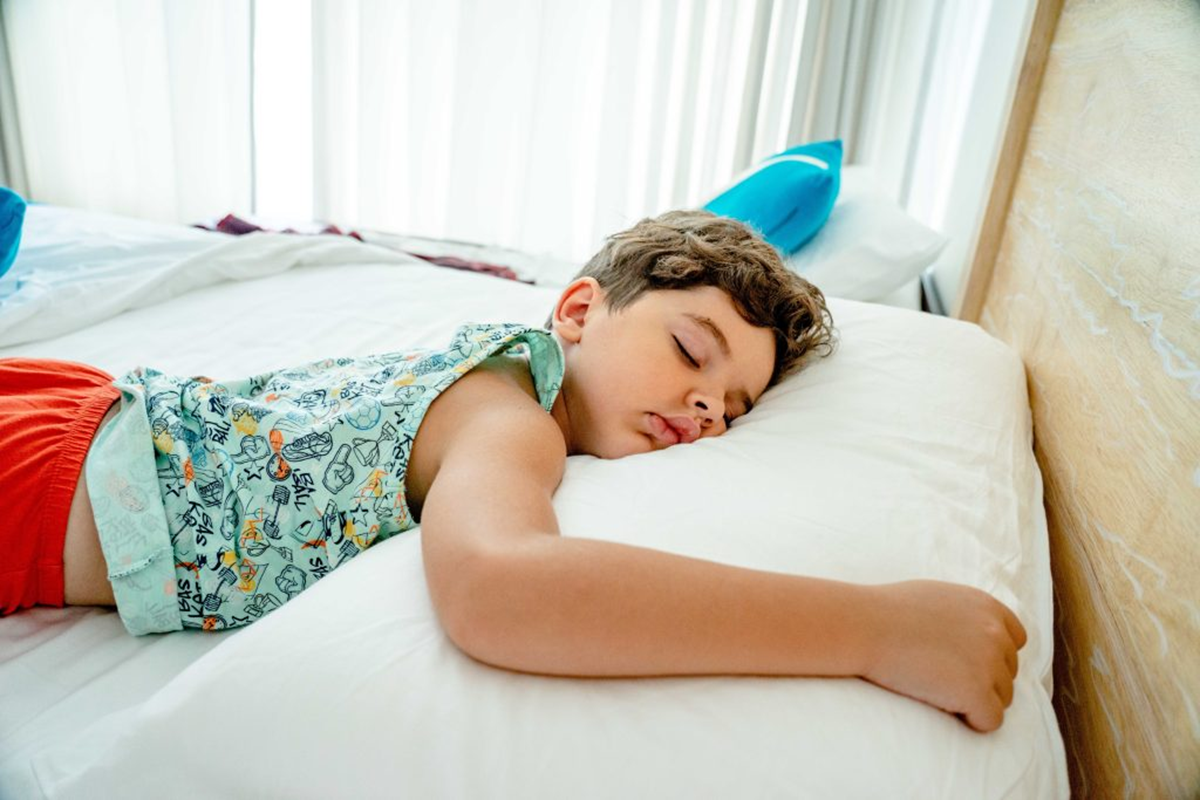
Check Bedsheets and Mattress Carefully
Even neatly arranged beds may occasionally have:
- Unchanged sheets
- Dust accumulation
- Stains hidden under folds
Experts recommend checking:
- Pillow covers
- Bed corners
- Mattress edges
before sleeping.
Safety Tip:
- Request fresh linen if anything appears suspicious
- Avoid placing luggage directly on beds
Air Conditioning Filters Can Affect Health
Hotel AC systems can sometimes collect:
- Dust
- Mold
- Allergens
especially if maintenance is irregular.
Dirty air filters may trigger:
- Allergies
- Sneezing
- Respiratory discomfort
Safety Tip:
- Check for unusual smell from AC vents
- Lower temperature gradually instead of sudden extreme cooling
Why Travelers Should Be More Careful
Modern hotels clean rooms quickly due to high guest turnover, but deep sanitization may not always happen after every checkout.
Travel experts advise guests to take a few simple precautions because:
- Hotels are shared public environments
- High-touch items carry germs easily
- Visual cleanliness does not always mean hygienic safety
Smart Hygiene Habits While Staying in Hotels
For safer stays, travelers should:
- Carry disinfectant wipes
- Use hand sanitizer frequently
- Avoid touching face unnecessarily
- Keep personal items organized
- Use sealed bottled water
- Wash hands regularly
Small precautions can significantly reduce exposure to germs and make hotel stays safer and more comfortable during travel.