LIFESTYLE
Handwashing Benefits: Is just rinsing your hands with water enough? Learn the big truth about diseases from a doctor.
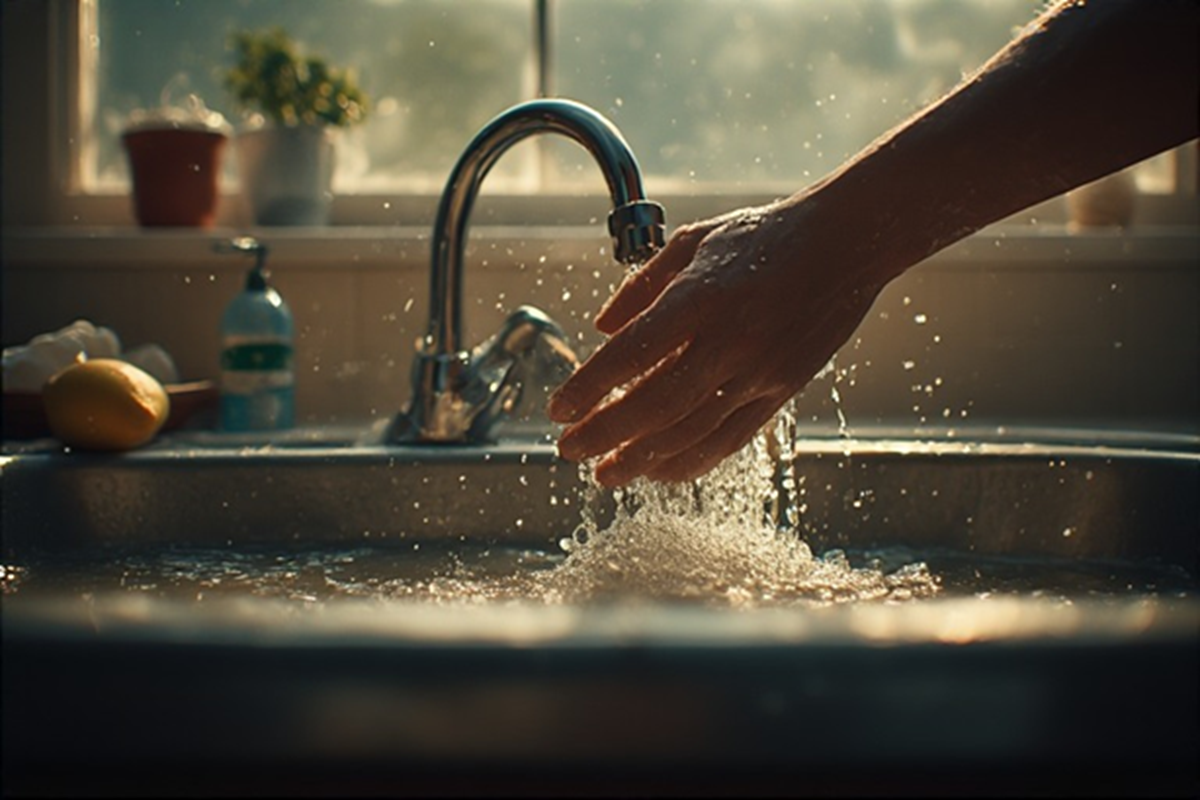
Infection Prevention: Proper handwashing can reduce the risk of infection. Countries with better access to clean water and sanitation have seen a marked decline in infection cases.

Why handwashing is important for health
Why Handwashing Is Important For Health: Handwashing seems like a simple habit. It doesn't take much time or require any special equipment. Yet, this simple habit can protect us from many types of infections. This is why, even in this age of modern medicine, doctors recommend frequent handwashing. This isn't just a matter of personal hygiene, but an important step for the health of the entire society.
Long before the advent of vaccines and antibiotics, hand hygiene played a significant role in saving lives. The COVID-19 pandemic has reaffirmed the fact that clean hands are the easiest way to break the chain of infection.
Why hand washing is important
We touch many things in everyday life, such as door handles, mobile phones, money, railings, or even shaking hands. Microorganisms can be present on all of these. Dr. Pratik Gopani told TOI that many people don't take handwashing seriously, but this practice prevents many serious infections and improves overall health. When dirty hands touch the face, eyes, nose, or mouth, these organisms enter the body, leading to illness.
What diseases does it spread?
This is how diseases like cholera, typhoid, diarrhea, and influenza spread. Importantly, infection can occur not only in dirty environments but also in seemingly clean places. Therefore, it is important to remain vigilant.
What the research revealed
Scientific research also confirms this. According to the Centers for Disease Control and Prevention, proper handwashing can reduce the risk of infection by approximately 20 percent. Countries with better access to clean water and sanitation have seen a clear decline in infection cases.
These things should not be ignored.
People often overlook small, everyday occasions where handwashing is essential, such as after using the toilet, before preparing or eating food, after handling raw food, after coughing or sneezing, after handling pets or garbage, and upon returning home from outside. This practice is even more important for children and the elderly, as their immune systems are relatively weak.
The right way to wash hands
The method of handwashing is as important as the way it is done. Hands should be washed with soap and water for approximately 20 seconds. The palms, backs of the hands, between the fingers, and under the nails should be thoroughly cleaned. Soap helps remove dirt and germs, but rinsing with water alone is not sufficient. If soap is not available, an alcohol-based hand sanitizer can be used, but it is not a complete substitute.