Energy Drink Regulations: The FSSAI has directed companies selling high-caffeine beverages to remove the term "energy drink." Companies must replace the labeling within 90 days, and the industry has expressed concern over this decision.
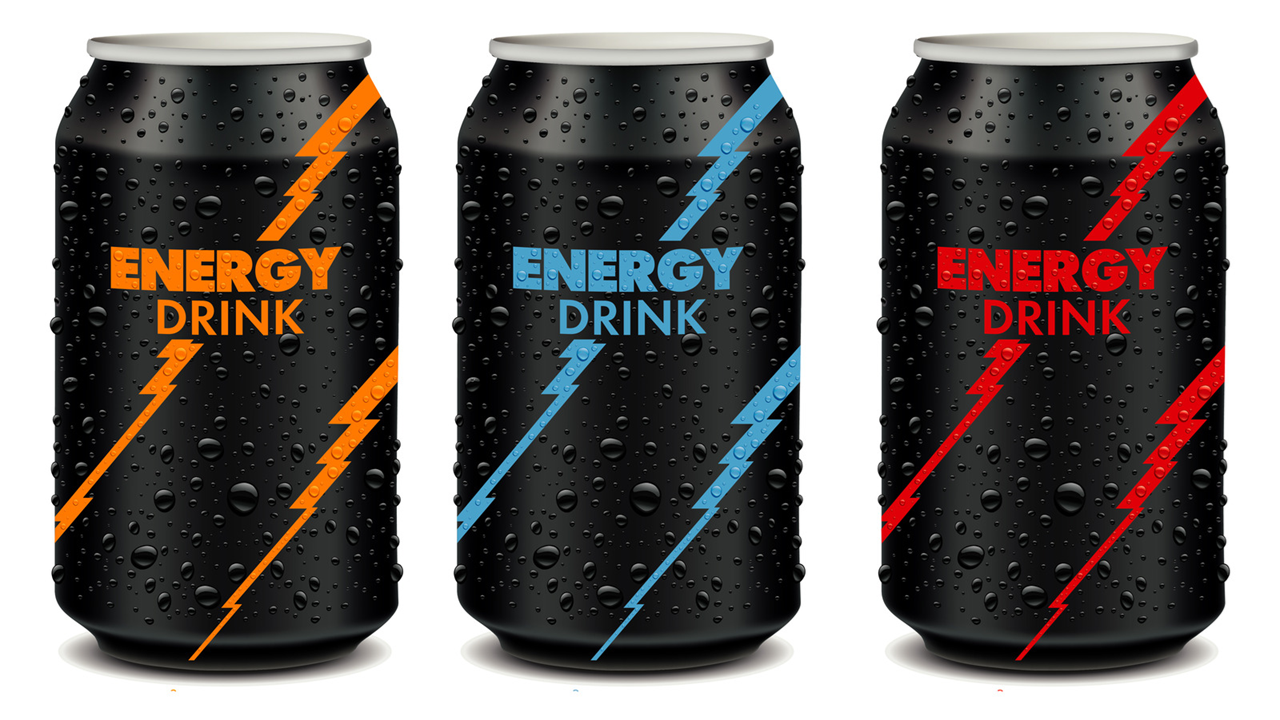
Government gives companies deadline to remove 'energy drink' label from bottles and cans
Energy Drink Label Ban: India's Food Safety and Standards Authority (FSSAI) has directed companies selling high-caffeine products not to use the term "energy drink." The regulator says there are no standards for such products in India to be labeled "energy drinks."
The FSSAI says that claims like "energizes the body and mind" or "relieves weakness" are misleading. Therefore, companies should avoid making such claims.
Pepsi and several other companies are protesting this decision, claiming it will impact their brands and sales. However, FSSAI CEO Rajit Punhani clarified that companies can go to court if they disagree.
According to government sources, the companies have finally agreed to follow the rules and FSSAI has given them 90 days to change the labels.
Health concerns are growing worldwide about high-caffeine beverages, which contain high amounts of caffeine, sugar, and taurine. Consequently, in England, the sale of such beverages to children under 16 will be prohibited from April next year. In some areas of Pakistan, they are sold as "stimulant drinks."
Energy drink companies are worried, advertising is also affected
Energy drink companies promote their products with the claim that they provide instant energy. This is why their advertisements often feature messages that promote energy and vitality.
Red Bull's famous slogan is "Gives You Wiiings," while Pepsi claims in advertisements for its Sting drink that drinking it gives the body a feeling of electric energy. The Indian Beverage Association said it will follow government regulations and supports policies based on science.
Business may be affected
However, the association, in a confidential letter sent to FSSAI on July 6, said that making the preliminary notices public could damage the companies' reputation, impact business and create confusion among consumers.
The association also says that before implementing any major rule, discussions should be held with the companies, so that the rules can be implemented easily, disputes are reduced and the entire process remains transparent.