LIFESTYLE
Gardening Tips: Grow a Natural, Chemical-Free Mehndi Plant at Home – Easy Method, Care Guide, and Benefits
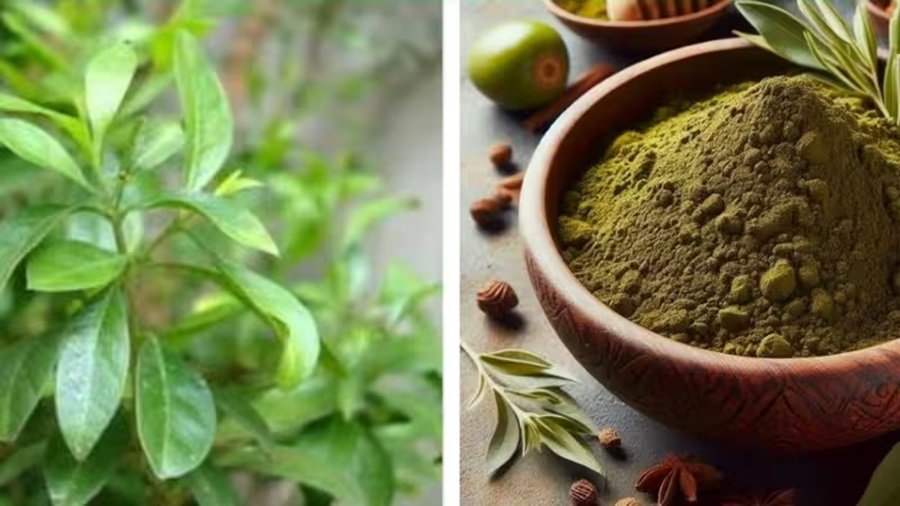
Many people love applying mehndi (henna) but worry about the chemicals found in market-bought powders. The good news is that you can easily grow a natural and chemical-free henna plant at home. Whether on your balcony, rooftop, or garden, this plant not only provides fresh mehndi leaves but also adds greenery and beauty to your space. With the right planting and care, it grows quickly and stays healthy for years.
Where to Plant Henna
Henna plants thrive in sunlight and open air. You can plant them in pots, balconies, rooftops, or garden spaces. Along with fresh mehndi leaves, the lush greenery keeps the home environment fresh and lively.
How to Grow Mehndi Plant
There are two main methods:
- From Seeds – Sow the seeds about 1–2 inches deep in loose soil, cover lightly, and sprinkle water. Though it takes time, the plant becomes strong and long-lasting.
- From Cuttings – Take a 3–4 inch stem cutting, place it in soil, and water regularly. Within 10–15 days, roots develop, and the plant starts growing quickly. This method is faster than seeds.
Preparing the Soil
For healthy growth, prepare soil by mixing 50% cocopeat and 50% vermicompost. This combination ensures good moisture and nutrition. Expose the soil to sunlight before planting to keep it pest-free.
Watering and Care
- Water the plant regularly but avoid overwatering, as excess water can rot the roots.
- Increase watering during summers and reduce it in winters.
- Use organic fertilizers like cow dung, vegetable peels, and compost for better leaf production.
- Spray neem oil mixed with water to protect the plant from pests naturally.
Pruning for Better Growth
Trim the branches occasionally to make the plant bushier and encourage fresh leaves. Regular pruning helps in maintaining shape and ensures faster growth.
Benefits of Homegrown Mehndi
- Completely chemical-free and safe for use on hair and skin.
- Rich in natural cooling properties that soothe the scalp and skin.
- Promotes shiny hair, reduces dandruff, and nourishes the skin.
- Adds a refreshing green touch to your home.
Final Thoughts
Growing a mehndi plant at home is simple, eco-friendly, and rewarding. With basic care, you can enjoy fresh, natural henna leaves without worrying about harmful chemicals. Start with a small pot or cutting, and soon you’ll have a thriving plant that enhances both your beauty and your garden.