LIFESTYLE
Fungal Infection Warning Signs: 3 Symptoms You Should Not Ignore During the Monsoon Season
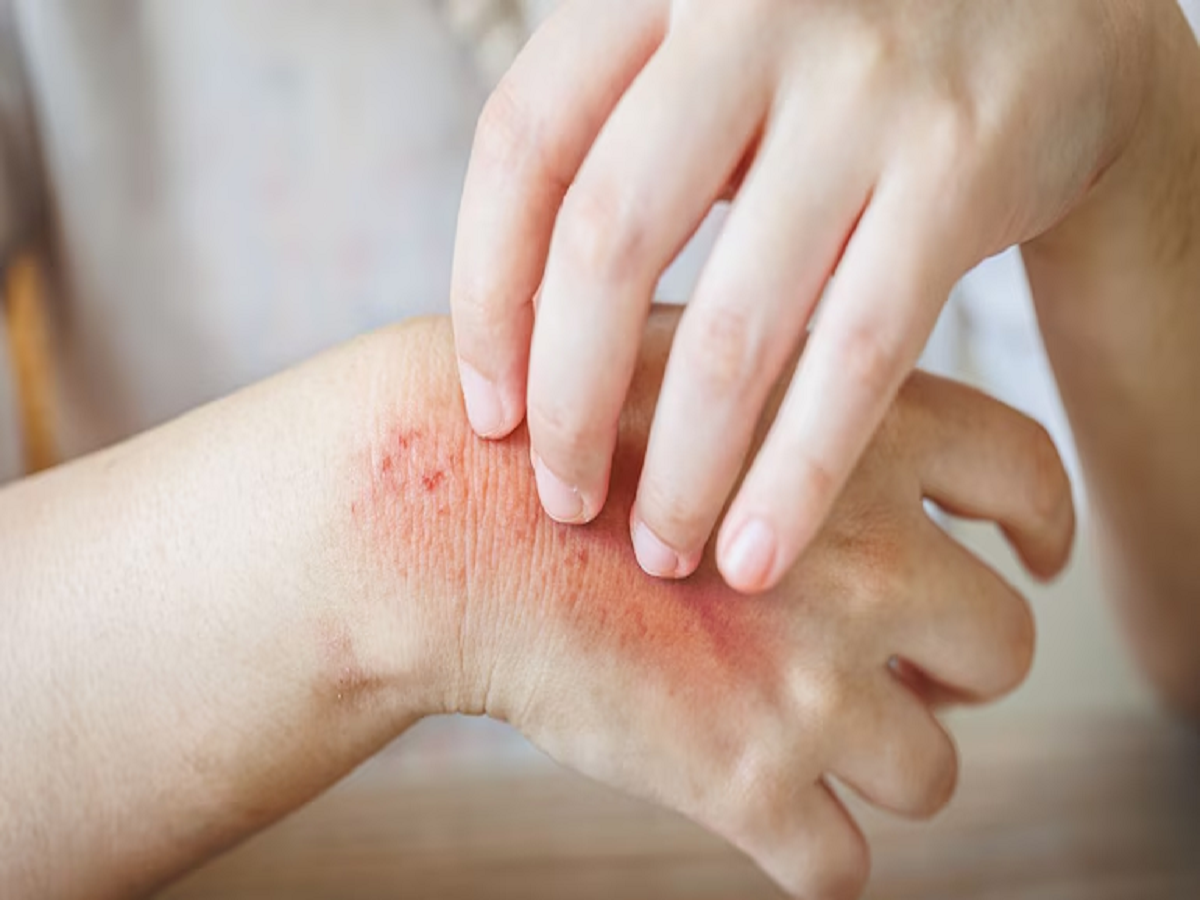
The arrival of the monsoon brings welcome relief from the summer heat, but it also creates ideal conditions for several health problems, including fungal infections. Increased humidity, excessive sweating, damp clothing, and prolonged exposure to moisture can allow fungi to thrive on the skin and other parts of the body.
What often begins as mild itching or a small skin rash can gradually develop into a more uncomfortable and persistent infection if left untreated. Understanding the warning signs and preventive measures can help reduce the risk of fungal infections during the rainy season.
What Is a Fungal Infection?
A fungal infection occurs when fungi grow excessively on the skin, nails, scalp, mouth, or other areas of the body. Fungi naturally exist in the environment, but warm and moist conditions can encourage their rapid growth.
Monsoon weather is particularly favorable for fungal infections because moisture tends to remain trapped on the skin for longer periods.
Why Do Fungal Infections Increase During the Rainy Season?
High Humidity and Excessive Sweating
During monsoon months, humidity levels rise significantly. This often leads to increased sweating, especially in areas where skin folds are present.
Commonly affected areas include:
- Underarms
- Neck folds
- Groin region
- Between the thighs
- Under the breasts
- Between the toes
When moisture remains trapped, fungi can multiply quickly.
Wet Clothes and Footwear
Many people continue wearing damp clothes, socks, or shoes after getting caught in the rain. This creates a warm and moist environment that encourages fungal growth, particularly on the feet and toenails.
Tight or Synthetic Clothing
Clothing made from synthetic materials may trap sweat and reduce airflow around the skin. As a result, moisture accumulates and increases the likelihood of fungal infections.
Three Common Warning Signs of Fungal Infection
1. Persistent Itching
One of the earliest and most common symptoms is ongoing itching that does not improve with regular skincare or hygiene measures.
The itching may:
- Worsen after sweating
- Increase at night
- Occur repeatedly in the same area
Persistent itching should not be ignored, especially if it continues for several days.
2. Red Rashes or Circular Patches
Fungal infections often appear as red, irritated patches on the skin.
These rashes may:
- Have clearly defined borders
- Appear circular or ring-shaped
- Spread gradually over time
- Cause discomfort and irritation
Ringworm is a common fungal infection that frequently presents with this characteristic appearance.
3. Burning, Peeling, or Cracked Skin
As the infection progresses, affected areas may develop:
- Burning sensations
- Skin peeling
- Cracks between toes
- Dry, flaky skin
- Tenderness or discomfort
Ignoring these symptoms can allow the infection to spread further.
Additional Symptoms That May Indicate a Fungal Infection
Besides the three major warning signs, other symptoms may include:
- Unpleasant foot odor
- Thickened or yellow nails
- White patches inside the mouth
- Scaling skin
- Increased sensitivity in affected areas
Any persistent skin changes should be evaluated by a healthcare professional.
Who Is at Greater Risk?
Although anyone can develop a fungal infection, some individuals are more vulnerable than others.
Higher-risk groups include:
- People with diabetes
- Individuals with weakened immune systems
- Cancer patients undergoing treatment
- People living with HIV
- Those who sweat excessively
- Individuals taking long-term antibiotics
These groups should pay particular attention to early symptoms.
Common Types of Fungal Infections
Ringworm (Tinea)
Characterized by circular red patches accompanied by itching and irritation.
Athlete’s Foot
Usually affects the skin between the toes, causing peeling, cracking, itching, and odor.
Jock Itch
Occurs in the groin and inner thigh region, often producing redness and intense itching.
Nail Fungus
Can cause nails to become thick, yellow, brittle, and distorted.
Simple Ways to Prevent Fungal Infections
Keep Skin Clean and Dry
After bathing or getting wet in the rain, thoroughly dry all areas of the body, especially skin folds.
Choose Breathable Clothing
Wear loose-fitting cotton clothes that allow air circulation and reduce sweat accumulation.
Take Care of Your Feet
- Change wet socks promptly.
- Allow shoes to dry completely before reuse.
- Wash and dry feet thoroughly every day.
Avoid Sharing Personal Items
Do not share:
- Towels
- Socks
- Razors
- Combs
- Personal grooming tools
Sharing personal items can increase the risk of transmitting fungal infections.
Maintain Nail Hygiene
Keeping nails clean and trimmed can help reduce fungal growth and prevent infections from spreading.
When Should You See a Doctor?
Medical advice should be sought if:
- Symptoms persist for more than a week.
- The infection spreads rapidly.
- Over-the-counter treatments do not help.
- Symptoms frequently return.
- You have diabetes or a weakened immune system.
Early treatment can prevent complications and speed up recovery.
A Little Prevention Can Go a Long Way
Fungal infections are common during the monsoon season, but they are often preventable with proper hygiene and skincare habits. Keeping the body dry, wearing breathable clothing, and recognizing early symptoms can significantly reduce the risk of infection.
Paying attention to small skin changes today may help prevent more serious discomfort later.
Medical Disclaimer
This article is intended for informational purposes only and should not be considered medical advice. Symptoms described may be associated with various skin conditions. Consult a qualified healthcare professional for proper diagnosis and treatment if symptoms persist or worsen.