LIFESTYLE
Fridge Water Leakage: Is water repeatedly accumulating in your refrigerator? Do this before calling a mechanic.
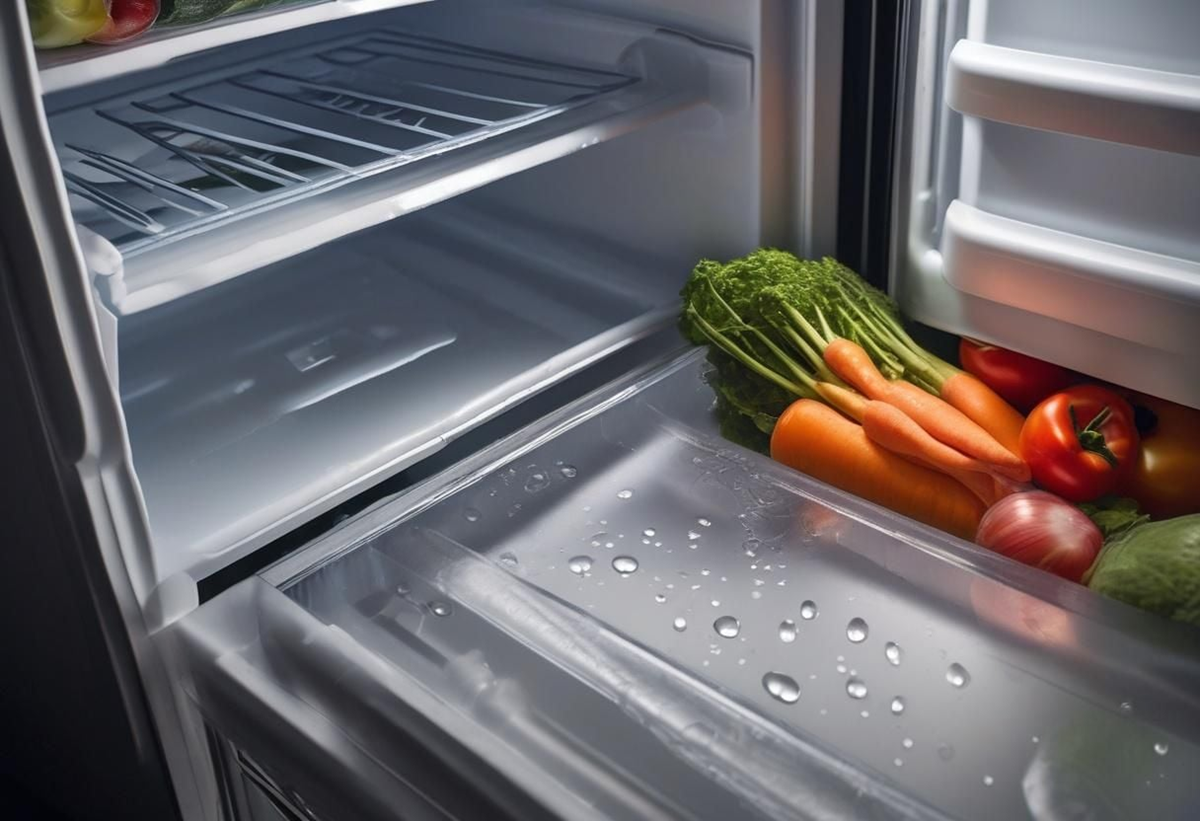
Kitchen Tip: The most common reason for water accumulation under the vegetable tray is a blocked refrigerator drain hole. There's a small drain hole located at the back of the refrigerator or under the vegetable tray.
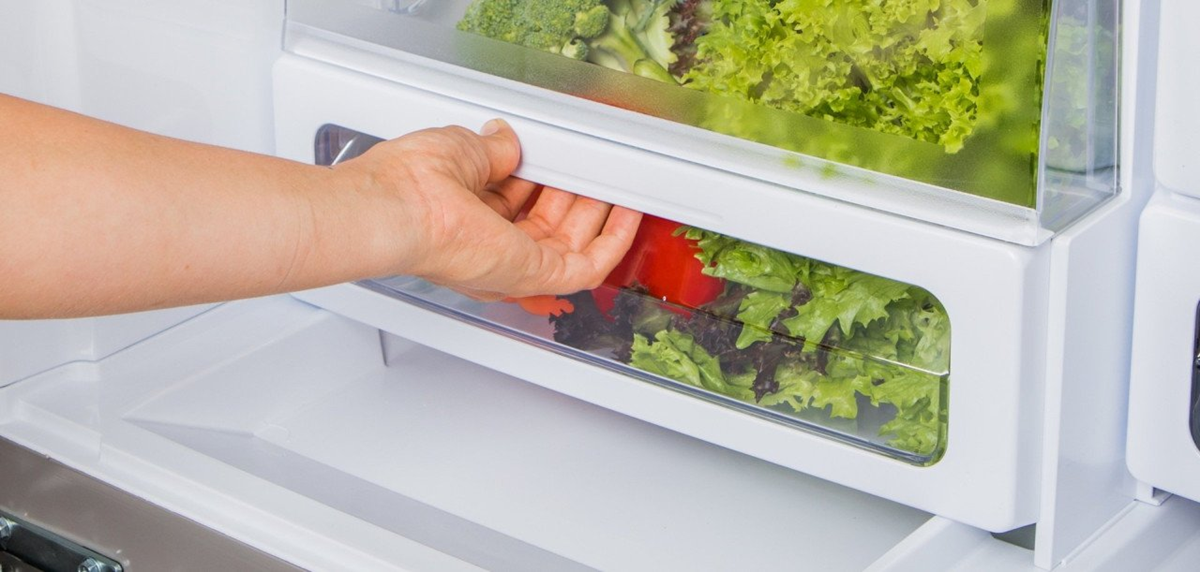
Causes and remedies for water accumulation under the vegetable tray in the refrigerator
Why Water Accumulates Under Fridge Crisper Tray: Frequent water accumulation under the refrigerator's vegetable tray may seem common. Many people clean it and let it go, thinking the water might have come out of the vegetables. But if water continues to accumulate in the tray, it's best not to dismiss it as a cleaning issue. The cause could be a problem with the refrigerator's drainage system, the door seal, or a temperature issue.
Sometimes this problem is minor and can be fixed by checking a few things at home. However, if water keeps coming back, it could be a sign of a problem with a part of the refrigerator. Therefore, it's important to first determine where the water is accumulating.
Check the drain hole first.
The most common cause of water accumulation under the vegetable tray is a blocked refrigerator drain hole. Inside the refrigerator, there's a small drain hole located at the back or below the vegetable tray. Water formed during the defrosting process drains out through this opening. If small pieces of food, dirt, or ice accumulate in it, the water starts accumulating inside the refrigerator instead of draining out. This water eventually becomes visible under the vegetable tray.
If you notice any dirt around the drain hole, turn off the refrigerator and clean it safely. Using lukewarm water can help clear the passage. If there's ice inside, it's best to let it melt naturally rather than trying to force it out.
Is the refrigerator door closing properly?
If the refrigerator door isn't completely sealed, warm air from outside can continue to flow in. The moisture in this warm air can condense into water droplets upon contact with cold surfaces. This moisture gradually accumulates inside the refrigerator. Inspect the rubber seal around the door carefully. If it's dirty, loose, torn, or bent, it won't seal properly. Try cleaning it with mild soap and water. If the rubber is worn, it may need to be replaced.
A simple paper test can also be performed. Place a piece of paper between the door and the seal and close the door. If the paper comes out too easily, the seal may be weak.
Is the refrigerator temperature too low or too high?
Incorrect temperature settings can also cause excessive moisture or ice formation in the refrigerator. Generally, a refrigerator temperature of around 4 degrees Celsius is considered optimal. If the temperature is too low, ice may form in some areas, which may later melt, forming water. Excessive temperatures can affect the refrigerator's cooling and humidity control.
Are you putting hot food directly into the fridge?
Putting hot food directly into the refrigerator can add additional moisture. Steam from hot food can cool and condense into water droplets. If this happens daily, humidity can build up inside the refrigerator, and water can accumulate around the vegetable tray. Allow the food to cool slightly before storing it in the refrigerator, covered. Storing open containers can also increase humidity, so it's best to keep food covered.
Have you overfilled the fridge?
Overcrowding the refrigerator with vegetables and other items can disrupt the circulation of cold air. If air is not circulating properly, excessive moisture or water droplets may appear in certain areas. Keep adequate space between the vegetable tray and the back wall. Also, avoid blocking the refrigerator's air vents with items.
Is the water coming from a filter or dispenser?
If your refrigerator has a water dispenser or ice maker, check the pipes or connections around it. A leak in a pipe can cause water to slowly seep in and accumulate at the bottom. In such a case, simply cleaning the vegetable tray won't solve the problem. It's important to determine the source of the water.
When should a mechanic be called?
If water continues to accumulate in the vegetable tray even after cleaning the drain hole, checking the door seal, and adjusting the temperature, the problem may be somewhere internal. It's best to seek help from a technician if the drain system, defrost system, thermostat, or water pipeline is faulty. So, next time you see water under the refrigerator's vegetable tray, don't just wipe it up and leave it at that. First, check the drain hole, door seal, temperature, air circulation, and any possible leaks. Catching a minor problem early can help prevent major refrigerator breakdowns and costly repairs.