LIFESTYLE
Frequent Hiccups: If you are having frequent hiccups, then be serious, this serious disease can spread in the body.
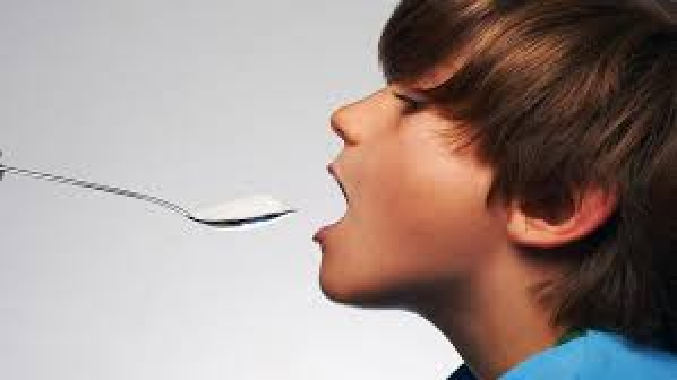
Long-Lasting Hiccups: Hiccups are generally considered normal and people take them lightly. But let's explain what the problem might be if you're experiencing frequent hiccups.

Long-Lasting Hiccups Complications: Hiccups are a very common experience that almost everyone experiences. They are caused by the sudden and uncontrolled contraction of a muscle called the diaphragm, producing a hiccup-like sound. Hiccups usually stop on their own within a few minutes. In rare cases, they can be a sign of a problem. Hiccups occur when the process of inhaling air stops for a short time. The reasons behind this can be gas in the stomach, spicy food, or some underlying digestive or respiratory problems. Most of the time, hiccups are harmless. People consider them normal, and everyone has their own way of calming them.
Why do we get hiccups?
Hiccups occur when the diaphragm suddenly contracts, causing the vocal cords to close, producing that distinctive hiccup sound. Common triggers include:
- eating or drinking too quickly
- Drinking soda, very hot drinks, or alcohol
- stomach gas
- stress, anxiety, or excessive excitement
- eat much
- Reaction to certain medications, such as anesthesia or steroids
What problems can occur if you have frequent hiccups?
According to the Cleveland Clinic, if hiccups persist for a long time, they can affect both daily life and health. Persistent hiccups can cause the following problems:
- Weight loss or dehydration due to difficulty eating and drinking
- Difficulty in talking
- Sleep disturbances, fatigue, and decreased attention span
- Weakness due to difficulty eating and drinking
- Mental stress, anxiety, or depression
How to stop frequent hiccups?
- Drink cold water in small sips or gargle
- Hold your breath and release it slowly
- Apply gentle pressure – by holding your nose while swallowing, on your diaphragm, or on your tongue
- Slightly sweet or sour – a pinch of sugar, lemon, a little vinegar
When should one worry?
Most hiccups stop on their own, but hiccups that last more than 48 hours are considered chronic. In such cases, they may be a sign of an underlying medical condition. Some serious conditions where hiccups may appear as a symptom include:
- Brain and nerve problems: stroke, nerve damage
- Heart or lung disease: heart attack, pneumonia
- Cancer: Tumors or side effects of cancer treatment
- Digestive problems: inflammation of the pancreas, irritation or infection of the esophagus
When should one go to the doctor?
If hiccups last for more than 48 hours, disrupt sleep, make eating and drinking difficult, cause breathing problems, or are accompanied by chest pain, high fever, vomiting, weakness, or numbness, it's important to see a doctor immediately. Don't try to scare someone suddenly to get rid of the hiccups. This may sometimes stop them, but it can increase the risk of falls, injuries, or heart problems.