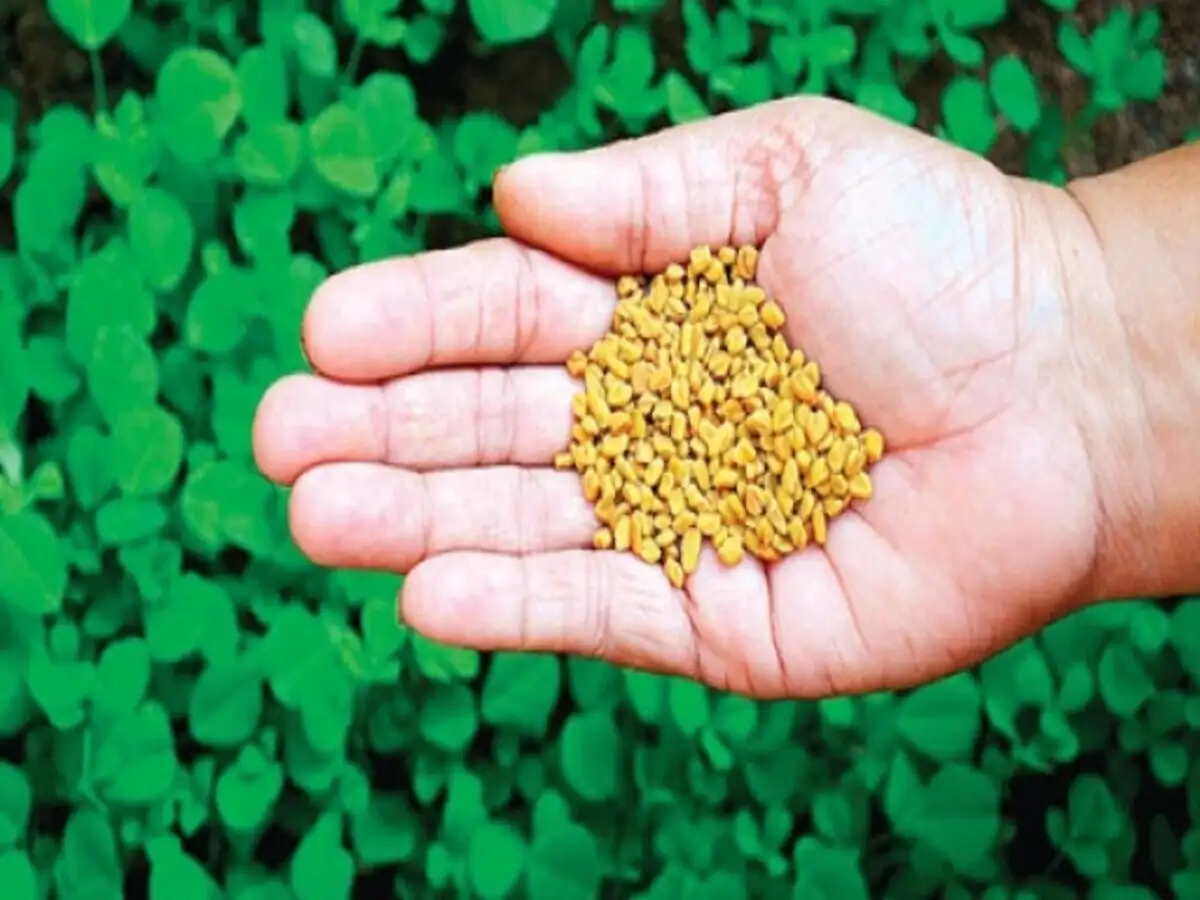
Fenugreek seeds, commonly known as methi dana, are a familiar ingredient in Indian kitchens. They are used in tempering, pickles, spice blends and a variety of traditional dishes. In recent years, fenugreek has also become popular as part of wellness routines, with some people soaking the seeds overnight and drinking the infused water in the morning or eating the softened seeds.
Fenugreek contains dietary fiber and several naturally occurring compounds, and research has explored its possible role in areas such as blood sugar management and digestion. However, using fenugreek as a food ingredient is different from consuming concentrated amounts regularly as a home remedy or supplement.
It may not be appropriate for everyone, particularly people who are pregnant, preparing for surgery, taking certain medicines or dealing with specific digestive problems. Anyone considering regular or high-dose fenugreek consumption should discuss it with a healthcare professional, especially if they already take prescription medication.
Here are some situations in which extra caution may be necessary.
1. Pregnant Women Should Avoid High or Medicinal Amounts Without Medical Advice
Pregnancy is a time when even commonly used herbs and supplements need to be considered carefully. Fenugreek is traditionally used in food, but consuming larger quantities, concentrated preparations or supplements during pregnancy should not be done without medical guidance.
There are concerns that medicinal amounts of fenugreek may have effects that are not desirable during pregnancy. This is particularly relevant for people who drink concentrated fenugreek water every day or consume large amounts of soaked seeds.
If you are pregnant and want to include fenugreek beyond normal culinary quantities, speak with your doctor or obstetric healthcare provider first.
2. People Preparing for Surgery Should Tell Their Doctor
If you have an upcoming surgical procedure, make sure your surgeon and healthcare team know about any herbs, supplements or concentrated home remedies you regularly consume.
Fenugreek may affect blood sugar and could potentially influence bleeding-related factors. For this reason, healthcare professionals may advise patients to discontinue certain herbal products before an operation.
The exact timing can depend on the individual, the type of surgery and other medicines being taken. Rather than deciding on your own when to stop or restart fenugreek, follow the instructions provided by your medical team.
3. Those Taking Blood-Thinning Medicines Need Extra Caution
People taking anticoagulant or antiplatelet medicines should be particularly careful about adding concentrated fenugreek preparations to their routine.
Medicines such as warfarin and other blood-thinning drugs are prescribed to reduce the risk of harmful blood clots. Adding herbs or supplements that may affect bleeding can create potential interaction concerns.
If you take a blood thinner, do not assume that a natural ingredient is automatically safe. Tell your doctor or pharmacist about regular fenugreek consumption, especially if you are taking soaked seeds or concentrated supplements rather than using small quantities in everyday cooking.
4. People With IBS or a Sensitive Digestive System May Need to Limit It
Fenugreek is a source of dietary fiber, which can be beneficial as part of a balanced diet. However, increasing fiber intake suddenly can cause digestive symptoms in some individuals.
People with irritable bowel syndrome (IBS) or an especially sensitive digestive system may experience bloating, gas, abdominal discomfort or changes in bowel habits after consuming larger amounts of fenugreek.
If you notice digestive symptoms after drinking fenugreek water or eating soaked seeds, reducing the amount or stopping the practice may be appropriate. Persistent or severe symptoms should be discussed with a healthcare professional rather than being attributed to fenugreek alone.
5. People Taking Diabetes Medication Should Monitor Their Blood Sugar
Fenugreek has been studied for its potential effects on blood glucose levels. This is one reason why soaked methi seeds and fenugreek water have become popular among people interested in blood sugar management.
However, people already using diabetes medicines should not add large amounts of fenugreek without medical advice. Combining fenugreek with glucose-lowering treatment could potentially contribute to blood sugar dropping too low in some individuals.
This is particularly important for people using insulin or medicines such as glimepiride. Symptoms of low blood sugar can include sweating, shaking, dizziness, weakness, confusion and unusual hunger.
Anyone with diabetes should discuss regular fenugreek use with their healthcare provider rather than changing medication or relying on fenugreek as a substitute for prescribed treatment.
Fenugreek Is Not Suitable in the Same Way for Everyone
Fenugreek can be a useful culinary spice and is part of traditional diets in many households. But the fact that an ingredient is natural does not mean that concentrated or frequent consumption is risk-free for every person.
The amount consumed also matters. Using a small quantity of fenugreek while cooking is not necessarily equivalent to drinking concentrated fenugreek water every morning or taking fenugreek supplements.
If you are pregnant, scheduled for surgery, taking blood-thinning or diabetes medication, or have a sensitive digestive system, it is sensible to seek professional advice before making concentrated fenugreek a daily habit.
Most importantly, fenugreek should be viewed as part of the diet rather than a replacement for prescribed medicines or professional medical care. If you have an existing health condition or take regular medication, check with your doctor before introducing a new herbal routine.