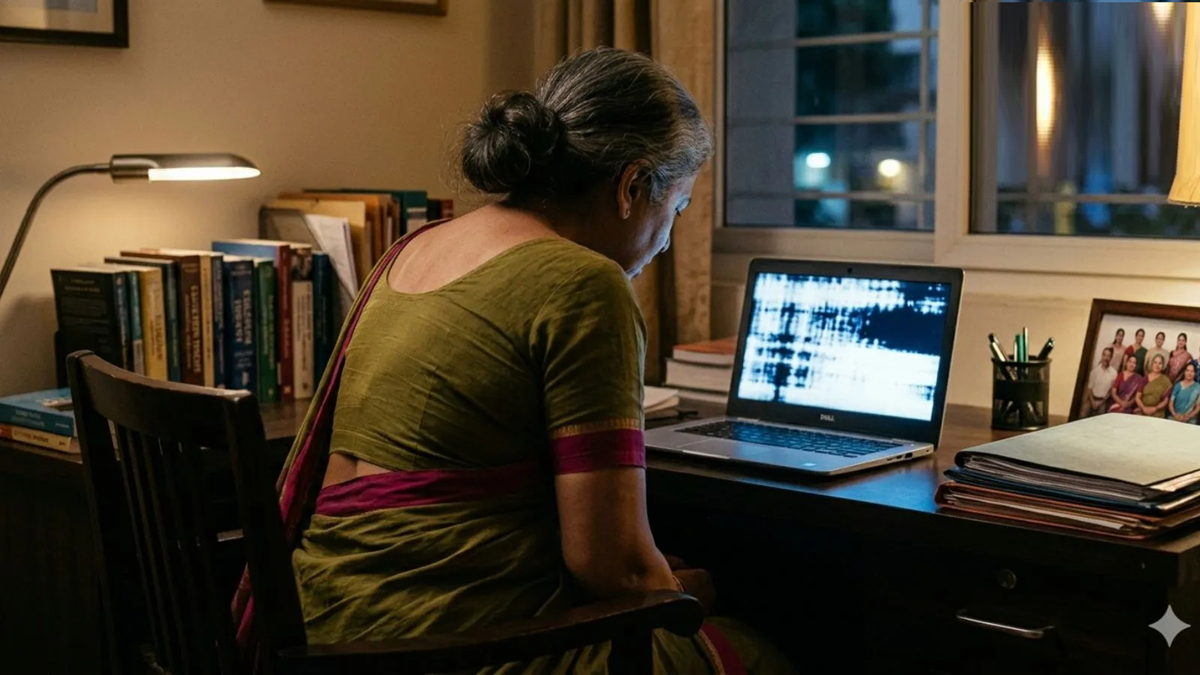
Stress has become an unavoidable part of modern life. Whether it is work pressure, financial responsibilities, family commitments, academic challenges, or the demands of a fast-paced lifestyle, almost everyone experiences stress at some point. While occasional stress is a normal response to difficult situations, prolonged mental stress can negatively affect both physical and emotional well-being.
Although it may not be possible to eliminate stress completely, adopting healthy daily habits can make it much easier to manage. Small lifestyle changes can improve emotional resilience, enhance mental health, and help you cope with everyday challenges more effectively.
Healthy Habits That Can Help Reduce Stress
Managing stress does not always require major lifestyle changes. Consistently practicing a few simple habits can have a significant impact on your overall well-being.
1. Maintain a Consistent Sleep Schedule
Going to bed and waking up at the same time every day helps regulate your body's internal clock. Aim for 7 to 8 hours of quality sleep each night to allow your brain and body to recover from daily stress.
2. Plan Your Day in Advance
Creating a daily schedule helps organize your responsibilities and reduces the feeling of being overwhelmed. Prioritizing tasks and setting realistic goals can improve productivity while lowering stress levels.
3. Spend Quality Time With Loved Ones
Strong relationships play an important role in emotional health. Spending meaningful time with family members and close friends provides emotional support and helps reduce feelings of anxiety and loneliness.
4. Make Time for Hobbies
Engaging in activities you enjoy can provide a healthy escape from daily pressures. Reading books, gardening, painting, listening to music, cooking, or learning a new skill can help refresh your mind and improve your mood.
5. Take Short Breaks During the Day
Working continuously without breaks can increase mental fatigue. Taking a few minutes to stretch, walk around, or simply relax during the day can improve focus and reduce stress.
6. Practice Relaxation Techniques
Deep breathing exercises, yoga, meditation, and mindfulness practices are proven methods for calming the mind. Even dedicating 10 to 15 minutes each day to these activities may help lower stress and improve emotional balance.
7. Limit Screen Time and Social Media Use
Excessive use of smartphones and social media can contribute to anxiety, information overload, and poor sleep quality. Setting healthy boundaries around screen time can improve both mental and emotional health.
8. Seek Professional Support When Needed
If stress continues despite making positive lifestyle changes, consulting a qualified mental health professional can be beneficial. Early support may help prevent stress from developing into more serious mental health conditions.
Warning Signs of Long-Term Stress You Should Never Ignore
Chronic stress often affects both the body and the mind. Ignoring these symptoms may worsen your overall health over time.
Some common warning signs include:
- Persistent sadness or low mood
- Frequent irritability or anger
- Constant worry or excessive anxiety
- Difficulty falling asleep or staying asleep
- Feeling tired even after getting enough rest
- Losing interest in activities you previously enjoyed
- Noticeable changes in appetite
- Difficulty concentrating or making decisions
- Frequent headaches or unexplained body aches
If these symptoms begin affecting your work, studies, relationships, or daily routine, it is important to seek medical advice without delay.
Daily Habits That Support Better Mental Health
Good mental health is built through consistent daily routines rather than occasional efforts. The following practices can support emotional well-being over the long term:
- Eat a balanced and nutritious diet rich in fruits, vegetables, whole grains, and protein.
- Exercise regularly, even if it is just a 30-minute walk each day.
- Prioritize adequate sleep every night.
- Stay connected with family and friends through regular conversations and social interactions.
- Share your thoughts and emotions with someone you trust instead of keeping everything to yourself.
- Reduce unnecessary screen exposure and make time for relaxation and self-care.
- Practice mindfulness, gratitude, or meditation every day to improve emotional resilience.
- Do not hesitate to seek professional help if stress becomes overwhelming or continues for an extended period.
Why Managing Stress Early Matters
Ignoring stress for long periods can increase the risk of several health problems, including anxiety disorders, depression, high blood pressure, heart disease, digestive issues, and weakened immunity. Developing healthy coping strategies early can improve both your physical health and emotional well-being.
While stress is a natural part of life, it does not have to control your daily routine. Simple habits such as maintaining a healthy sleep schedule, exercising regularly, practicing mindfulness, spending time with loved ones, and limiting digital distractions can make a meaningful difference. If stress becomes persistent or begins interfering with everyday life, seeking guidance from a healthcare professional is the best step toward better mental health.