LIFESTYLE
Fatty Liver Disease May Increase Heart Disease Risk: Know the Warning Signs and Prevention Tips
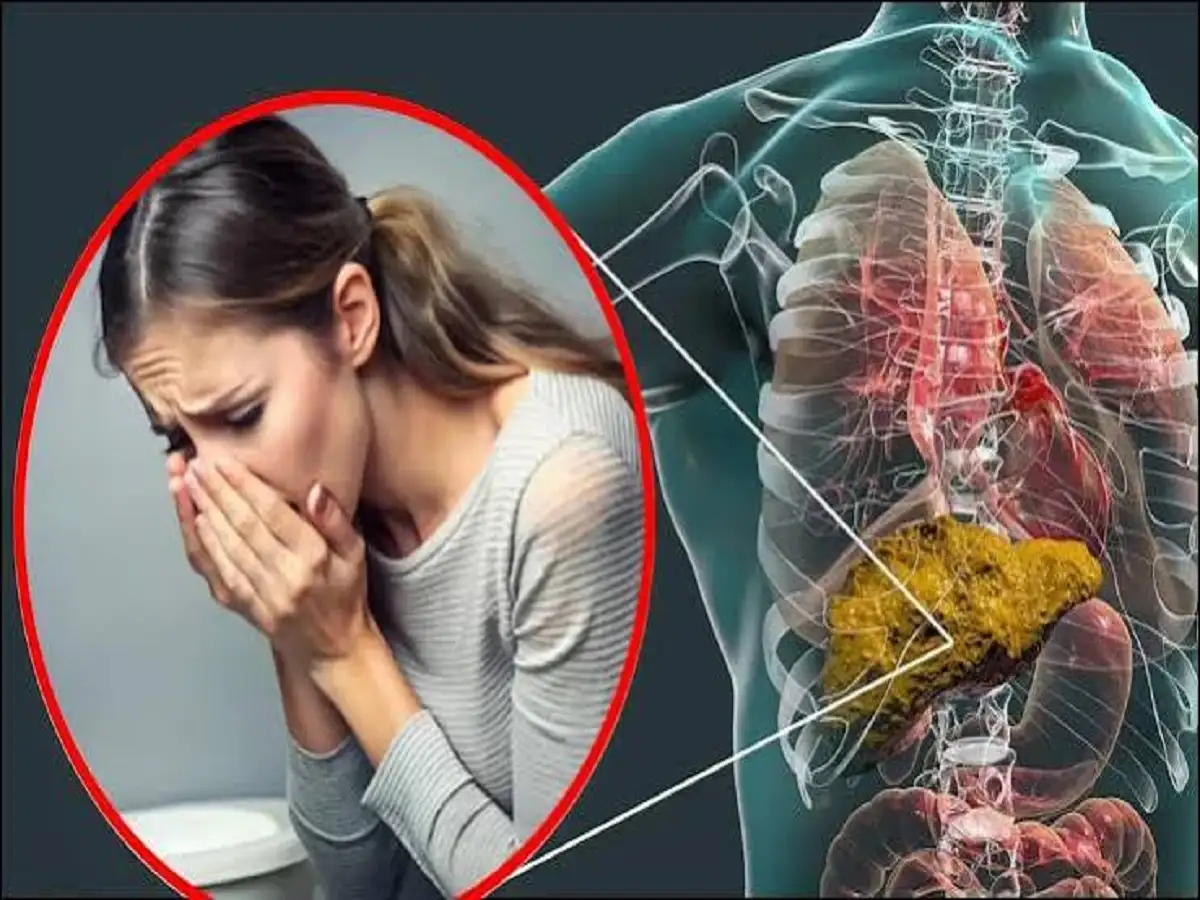
Fatty Liver and Heart Health: Many people associate liver problems with digestion, abdominal discomfort, or alcohol consumption. However, growing medical evidence suggests that liver health is closely connected to cardiovascular health. Excessive fat accumulation in the liver may be associated with a higher risk of heart disease, particularly among individuals who also have obesity, diabetes, high cholesterol, or high blood pressure.
Fatty liver disease has become an increasingly important public health concern because of sedentary lifestyles, unhealthy dietary habits, and metabolic disorders. Although the condition may develop without noticeable symptoms, it can sometimes indicate broader metabolic problems affecting several organs.
Medical experts emphasise that people diagnosed with fatty liver disease should pay attention not only to their liver function but also to their heart health. Understanding this connection can help individuals recognise potential risks and adopt healthier habits.
What Is Fatty Liver Disease and Why Does It Matter?
Fatty liver disease develops when excess fat accumulates inside liver cells. While a small amount of fat in the liver can be normal, excessive accumulation may interfere with normal liver function and, in some cases, contribute to inflammation and progressive liver damage.
A common form of the condition is now known as Metabolic Dysfunction-Associated Steatotic Liver Disease (MASLD). This term describes fatty liver disease associated with certain metabolic risk factors.
MASLD is frequently linked with obesity, insulin resistance, type 2 diabetes, abnormal cholesterol levels, and other metabolic health concerns.
Importantly, fatty liver disease does not always produce obvious warning signs. Some individuals discover the condition during routine medical examinations, blood tests, or abdominal imaging performed for unrelated reasons.
The absence of symptoms does not necessarily mean the condition should be ignored.
How Can Fatty Liver Disease Affect Heart Health?
The liver plays a central role in regulating metabolism, processing nutrients, and managing fats circulating in the bloodstream.
When excessive fat accumulates in liver cells, it may be associated with metabolic changes that also influence the cardiovascular system.
People with MASLD frequently experience several interconnected health problems that can increase their likelihood of developing heart disease.
These include insulin resistance, elevated triglyceride levels, reduced levels of high-density lipoprotein (HDL) cholesterol, and chronic low-grade inflammation.
Over time, these metabolic disturbances may contribute to atherosclerosis, a condition in which fatty deposits accumulate inside the arteries.
Atherosclerosis can restrict blood flow and increase the risk of serious cardiovascular complications, including heart attacks and strokes.
However, fatty liver disease does not automatically mean a person will develop heart disease. Individual risk depends on several factors, including age, existing medical conditions, family history, and overall metabolic health.
Major Risk Factors That Affect Both the Liver and Heart
Several health conditions are commonly associated with both fatty liver disease and cardiovascular problems.
1. Excess Body Weight
Being overweight, particularly when excess fat is concentrated around the abdomen, increases the likelihood of metabolic disturbances.
Abdominal fat is closely associated with insulin resistance and can contribute to fat accumulation in the liver.
It may also increase cardiovascular risk through its effects on blood pressure, cholesterol, and inflammation.
2. Type 2 Diabetes
Diabetes and fatty liver disease frequently occur together.
Insulin resistance can encourage fat accumulation in liver cells while also contributing to blood vessel damage and other cardiovascular complications.
Maintaining appropriate blood glucose levels is therefore important for protecting both organs.
3. High Blood Pressure
Uncontrolled hypertension places additional strain on the heart and blood vessels.
Although high blood pressure does not directly cause every case of fatty liver disease, it is commonly associated with the metabolic conditions that contribute to MASLD.
4. Unhealthy Cholesterol Levels
Elevated low-density lipoprotein (LDL) cholesterol and triglycerides can increase cardiovascular risk.
People with fatty liver disease may also have reduced HDL cholesterol, which is often referred to as good cholesterol.
These abnormalities can contribute to plaque formation inside the arteries.
What Is the Liver-Heart Axis?
The relationship between liver function and cardiovascular health is sometimes described as the liver-heart axis.
This concept highlights how changes in one organ can influence the health of the other through shared metabolic and inflammatory pathways.
The liver helps regulate blood glucose, cholesterol, and fat metabolism. When these processes become disrupted, the resulting changes may affect blood vessels and cardiac function.
For example, insulin resistance can alter the way the body stores and uses energy, while chronic inflammation may contribute to cardiovascular disease.
Researchers continue to investigate the biological mechanisms connecting fatty liver disease with heart-related complications.
Understanding these connections is important because effective management often requires attention to several metabolic risk factors rather than focusing on the liver alone.
Why Liver Fibrosis Is an Important Warning Sign
One important aspect of fatty liver disease is the possibility of developing liver fibrosis.
Fibrosis occurs when repeated injury or inflammation leads to scar tissue formation inside the liver.
Over time, advanced fibrosis can interfere with normal liver function and may eventually progress to cirrhosis in some individuals.
The severity of fibrosis is an important factor when doctors assess the long-term risks associated with fatty liver disease.
Healthcare professionals may use a non-invasive assessment called the FIB-4 index to estimate the likelihood of advanced liver fibrosis.
This calculation uses information such as a person's age, platelet count, and certain liver enzyme levels.
However, FIB-4 is a screening tool rather than a definitive diagnosis. Its interpretation can vary with age and clinical circumstances, and additional investigations may be required.
Doctors may recommend further testing, including liver elastography, when clinically appropriate.
Can Fatty Liver Disease Cause Noticeable Symptoms?
Many people with fatty liver disease experience no symptoms, particularly during the early stages.
When symptoms do occur, they may include persistent tiredness or discomfort in the upper-right abdomen.
However, these symptoms are not specific to fatty liver disease and may have several other causes.
Advanced liver disease can produce more serious warning signs, such as jaundice, abdominal swelling, or unusual bleeding.
Individuals experiencing these symptoms should seek medical assessment promptly.
It is also important to recognise that fatty liver disease itself does not usually produce the typical symptoms of heart disease.
Chest pain, sudden breathlessness, fainting, or symptoms suggesting a heart attack require urgent medical attention.
How to Protect Your Liver and Heart Naturally
Lifestyle modifications are among the most important strategies for managing fatty liver disease and reducing cardiovascular risk.
Maintain a Healthy Body Weight
For individuals who are overweight, gradual and sustained weight reduction can improve liver health.
A reduction of approximately 5% of body weight may help decrease liver fat, while greater weight loss, often around 7–10%, can provide additional benefits for liver inflammation and metabolic health.
Weight-loss goals should be personalised with medical guidance.
Exercise Regularly
Physical activity can improve insulin sensitivity, support weight management, and benefit cardiovascular health.
Adults should generally aim for at least 150 minutes of moderate-intensity aerobic activity each week, such as brisk walking, cycling, or swimming.
Strength-training exercises can also provide additional metabolic benefits.
Choose a Balanced Diet
A nutritious eating pattern rich in vegetables, fruits, whole grains, legumes, nuts, and healthy fats may support liver and heart health.
Reducing excessive consumption of sugary beverages, highly processed foods, and saturated fats can also help improve metabolic risk factors.
Monitor Blood Sugar and Cholesterol
Individuals with diabetes, high cholesterol, or fatty liver disease should follow their healthcare professional's recommendations for monitoring and treatment.
Regular assessments can help identify metabolic abnormalities before complications develop.
Keep Blood Pressure Under Control
Blood pressure monitoring is important because hypertension can increase the likelihood of cardiovascular complications.
Lifestyle changes and prescribed medications may be necessary to maintain appropriate blood pressure levels.
Avoid Smoking and Limit Alcohol
Smoking increases the risk of cardiovascular disease and several other serious health conditions.
Alcohol consumption can also contribute to liver injury. People with liver disease should discuss alcohol avoidance with their healthcare provider, particularly if significant fibrosis is present.
Should People With Fatty Liver Get Their Heart Checked?
A diagnosis of fatty liver disease may be an important reason to review overall cardiovascular and metabolic health.
Depending on individual risk factors, doctors may recommend blood pressure measurement, cholesterol testing, diabetes screening, and an assessment of cardiovascular risk.
Not every person with fatty liver disease requires specialised cardiac testing. The need for additional investigations depends on symptoms, medical history, and clinical findings.
Early identification of high blood pressure, diabetes, and abnormal cholesterol levels can help guide preventive treatment.
Final Takeaway
Fatty liver disease is more than a condition involving excess fat inside the liver. It is frequently associated with metabolic abnormalities that can also increase the risk of cardiovascular disease.
Although fatty liver does not inevitably lead to heart problems, the connection highlights the importance of monitoring blood sugar, cholesterol, blood pressure, body weight, and liver health.
Regular exercise, balanced nutrition, appropriate weight management, and timely medical assessments can support both liver and cardiovascular health.
Individuals diagnosed with fatty liver disease should consult a qualified healthcare professional for personalised advice rather than relying solely on lifestyle changes or self-treatment.
Medical Disclaimer: This article provides general health information and is not a substitute for professional medical diagnosis, advice, or treatment.