FASTag, widely used for automatic toll payments on Indian highways, is now finding a bigger role beyond toll plazas. In a move aimed at making vehicle movement around busy railway stations faster and more organised, a FASTag-enabled parking and access control system has been introduced at Hazrat Nizamuddin Railway Station in Delhi.
The new arrangement is designed to digitise vehicle entry and exit, reduce dependence on manual processing and improve overall parking management. For passengers arriving at or leaving the station by car, the technology could help reduce the time spent waiting at parking gates, particularly during busy travel hours.
The initiative combines automated technology with trained staff who will remain available to assist motorists whenever required.
Here is how the FASTag-based parking system is expected to work and what it could mean for passengers and vehicle owners.
FASTag to Make Vehicle Entry and Exit Faster
Under the new system, FASTag technology will be used as part of the station's parking and vehicle access management process.
FASTag uses Radio Frequency Identification (RFID) technology to identify vehicles carrying a valid tag. The technology is already familiar to millions of motorists who use it to make electronic payments at highway toll plazas.
Applying a similar system to parking facilities can reduce the need for repeated manual transactions at entry and exit points.
The arrangement at Hazrat Nizamuddin Railway Station is expected to help speed up vehicle movement while making parking operations more systematic.
How FASTag-Based Parking Can Help Motorists
One of the biggest advantages of an automated parking system is the possibility of reducing the amount of time vehicles spend at entry and exit barriers.
Traditional parking facilities often depend on manually issued tickets, cash payments or other processes that can create queues when several vehicles arrive simultaneously.
With FASTag-based access, the process can become more automated.
The new arrangement aims to offer several operational benefits, including faster vehicle entry and exit, reduced dependence on manual procedures, smoother traffic movement inside the station premises and better management of parking areas.
The technology is also intended to improve transparency and accountability in parking operations.
For a busy railway station, even a small reduction in the processing time for each vehicle can potentially make a noticeable difference during peak hours.
Trained Staff Will Remain Available at the Station
The new parking arrangement will not depend entirely on automation.
Trained and professional personnel are also expected to be deployed at the facility to help passengers and motorists if they encounter problems while entering, parking or leaving the station premises.
This combination of technology and on-ground assistance is important because automated systems can occasionally face issues related to FASTag detection, payments or vehicle identification.
Having staff available at the location can help resolve such problems without causing unnecessary delays.
The objective is to use automation wherever possible while retaining human assistance for situations that require intervention.
Better Traffic Management Could Reduce Congestion
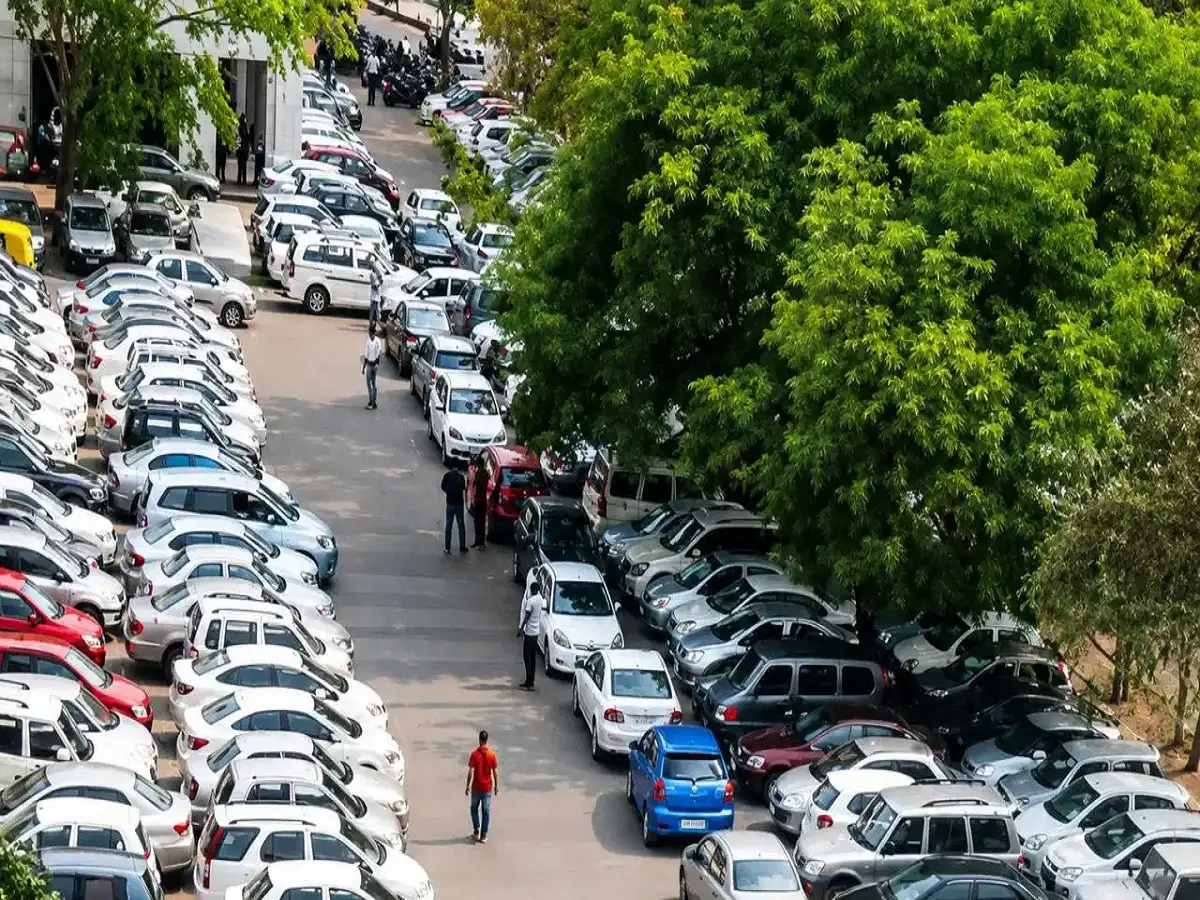
Major railway stations see heavy vehicle movement throughout the day. Private cars, taxis, app-based cabs and other vehicles frequently enter station premises to drop off or pick up passengers.
During peak travel periods, slow parking transactions can contribute to queues near entry and exit gates.
A technology-driven access control system can help regulate this movement more efficiently by reducing manual processing.
Faster entry and exit could also help vehicles spend less time near access points, improving the overall flow of traffic within the station complex.
The effectiveness of the system, however, will ultimately depend on implementation, maintenance and how efficiently exceptions or payment-related problems are handled.
FASTag Expands Beyond Highway Toll Payments
FASTag was initially associated primarily with electronic toll collection on national highways, but the underlying technology can also be used for other vehicle-related payments and access systems.
Parking is one such application.
Using an existing vehicle identification and digital payment infrastructure can make parking facilities more automated while reducing the need to create an entirely separate payment mechanism for motorists.
The Hazrat Nizamuddin initiative also fits into the broader push towards digital payments and technology-enabled public services under India's digitalisation efforts.
Who Will Manage the Parking and Access System?
According to the information provided, the contract for parking and access control at Hazrat Nizamuddin Railway Station has been awarded to Delhi-based SNG Securities and Placement.
The company provides services in areas such as security, support manpower and integrated operational solutions.
It has reportedly been associated with Indian Railways for around seven years and has previously handled passenger-related facilities, including cloak room operations at New Delhi Railway Station and Delhi Railway Station.
With the latest responsibility at Hazrat Nizamuddin, its railway-related operations now also include technology-enabled parking and vehicle access management.
What Does It Mean for Railway Passengers?
For passengers, the most visible benefit could be a smoother experience when being dropped off or picked up at the station.
Railway stations can become particularly crowded around the arrival and departure times of major trains. Long vehicle queues at parking barriers can add unnecessary waiting time for passengers who may already be rushing to catch a train.
If implemented efficiently, FASTag-enabled parking could shorten transactions at entry and exit points and make vehicle movement around the station more organised.
Motorists using the facility should ensure that their FASTag is active and adequately funded where FASTag-linked payment is applicable. They should also check parking charges and applicable conditions displayed at the station before using the facility.
Digital Parking Could Become More Common
The use of FASTag at Hazrat Nizamuddin Railway Station demonstrates how technology originally developed for toll collection can be adapted for other transport-related services.
For motorists, the key attraction is convenience. For parking operators and railway authorities, automation can provide better transaction records, improve monitoring and potentially reduce congestion caused by manual processes.
If such systems deliver faster and more reliable parking operations, similar FASTag-enabled facilities could become increasingly useful at other high-traffic transport hubs and public parking locations.