NEWS
Explained: Petrol, diesel, and CNG are expensive, El Niño will ruin crops and increase EMIs! What is the 'vicious cycle of inflation'?
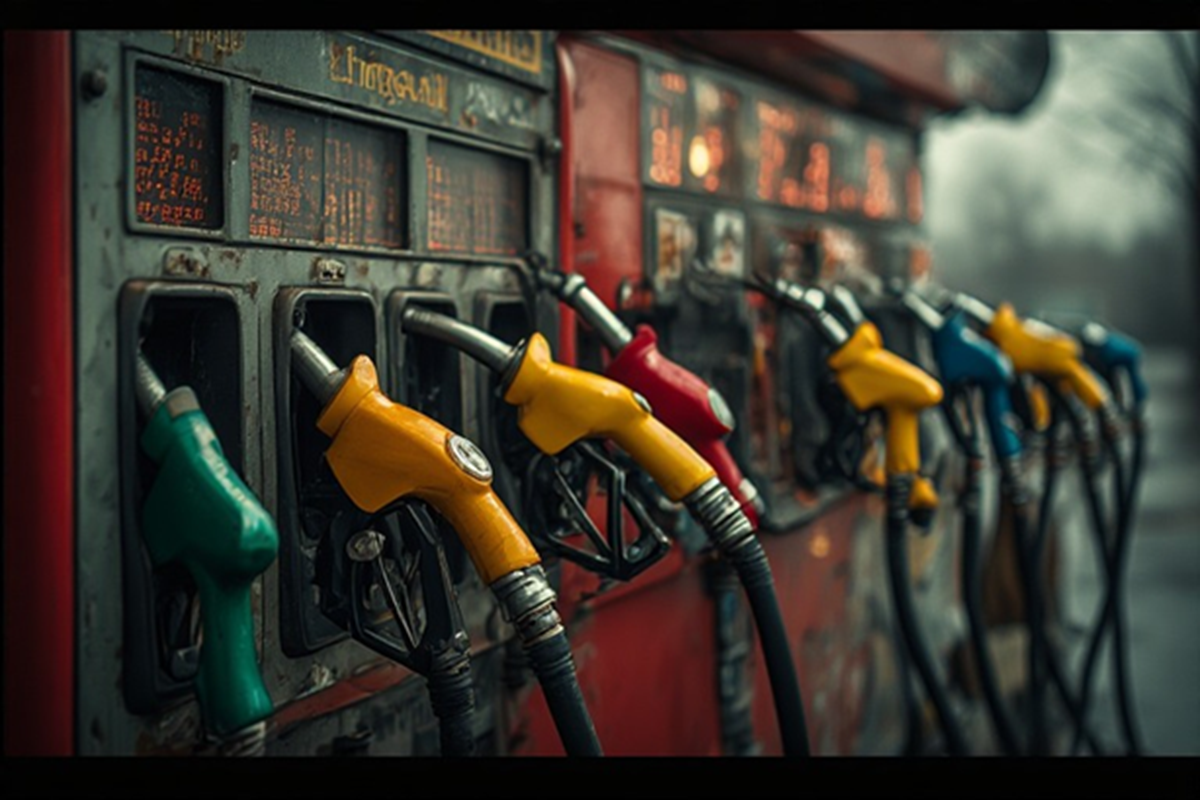
Inflation Vicious Cycle: The government and oil companies are trying to prevent the burden of the vicious cycle from reaching you, but as the RBI Governor clearly said, 'the increase in prices is now just a matter of time.'
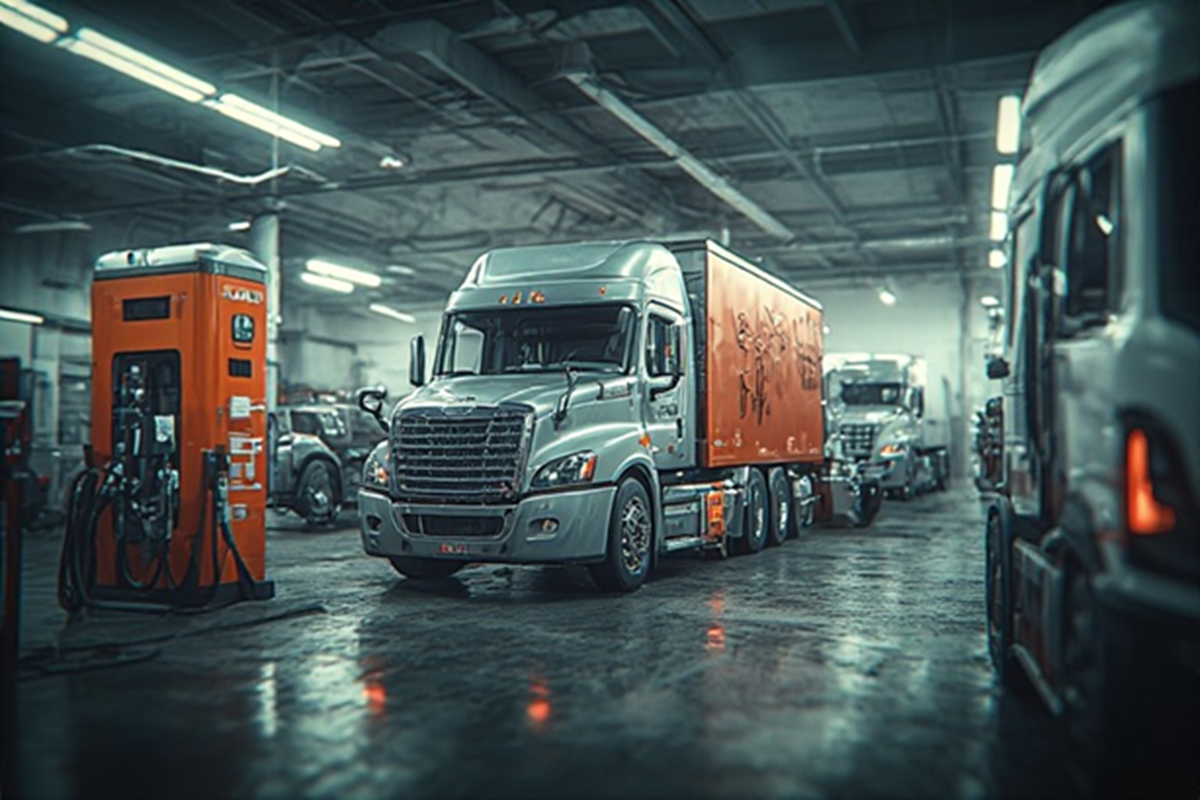
What are the consequences of the vicious cycle of inflation?
One morning, the front page of the newspaper reads, "Wholesale inflation reaches a record 8.30 percent." The next page of the same newspaper carries another news item: "RBI hints at repo rate hike in coming months." Then, in the evening, when you go to the petrol pump, you discover that diesel and CNG are also going to become costlier by 4-5 rupees. You might think these are separate problems, but in reality, they are three links in a very dangerous chain, what economists call the "vicious cycle of inflation." It's a trap that begins with the war in West Asia and the impact of El Niño. But how?
The first spark: Petrol-diesel-CNG fire and the impact of El Nino
This vicious cycle of inflation begins with two major shocks:
1. Uncontrollable surge in fuel prices
Petrol and diesel prices are currently skyrocketing worldwide. The biggest reason for this is the growing tension and war in the Middle East. This crisis has severely affected oil supplies through the Strait of Hormuz, through which approximately 20% of the world's oil passes. As a result, crude oil prices have jumped from $70 per barrel to around $126 per barrel.
This had a direct impact on India's wholesale market. In April 2026, the country's wholesale inflation rate (WPI) jumped to 8.30%, the highest level in three and a half years (42 months). In March 2026, this rate was only 3.88%, more than doubling in just one month.
The fuel and power sector played a major role in this increase, with inflation rising to 24.71%, compared to just 1.05% in March. The wholesale inflation rate for crude oil alone reached 88.06% and for petrol, 32.40%. According to Bank of Baroda Chief Economist Madan Sabnavis, "There are no signs of the war abating, which will keep oil prices in the $100-120 per barrel range, and WPI inflation will remain high." Rating agency ICRA even predicted that wholesale inflation could rise further in May.
2. The Dangerous Shadow of El Niño
Furthermore, the India Meteorological Department (IMD) has predicted that the 2026 southwest monsoon will be below normal (only 92% of the long-period average). The biggest reason for this is a 'super El Niño'. This is a weather phenomenon in which the surface temperature of the Pacific Ocean rises by 2 degrees Celsius or more above normal, weakening the monsoon winds and reducing rainfall. It has a 61% chance of becoming active between May and July 2026.
This simply means that crop production will decline, particularly major crops like rice, soybeans, and cotton, which will lead to higher food inflation.
Second blow: The burden passes from companies to you
These increased costs don't reach you directly, but through a chain:
1. Wholesalers and Companies
WPI data shows that not only fuel prices but also the manufacturing sector has been affected. Inflation for manufactured products rose from 3.39% in March to 4.62% in April, the highest level in 43 months. Prices increased in 21 of the 22 manufacturing groups tracked by WPI in April. Inflation for primary articles (raw materials) also increased from 6.36% to 9.17%.
2. The customer is your burden
When crude oil itself becomes 88% more expensive, the costs of petrol and diesel manufacturing companies will also increase by the same amount. RBI Governor Sanjay Malhotra has clearly stated, "Oil companies cannot sustain these losses for long." Oil companies are incurring losses of approximately ₹30,000 crore every month. Experts estimate that after May 15, 2026, petrol and diesel prices could increase by ₹4 to ₹5 per liter.
As petrol and diesel prices rise, transportation becomes more expensive. Whether it's vegetables, milk, or any other commodity, the cost of transport increases. According to one estimate, if diesel becomes more expensive by just ₹5 per liter, the cost of freight increases by 3%.
The final blow: RBI's compulsion and rising EMIs
This is where the real 'vicious cycle' begins, which breaks the back of the common man:
1. RBI's challenge and your EMI
The RBI's job is to control inflation. Currently, the repo rate is stable at 5.25%, but the RBI has projected retail inflation (CPI) at 4.6% for the fiscal year 2026-27. It is expected to reach 5.2% in the third quarter (Q3). With WPI reaching 8.30%, pressure has increased further. The Chief Economist of Bank of Baroda has warned that WPI inflation can eventually translate into CPI (retail inflation) due to higher input costs.
2. Direct impact of increasing repo rate
The repo rate is the rate at which the RBI lends to banks. When the RBI increases this rate, money becomes more expensive for banks, and they pass this burden on to you. This results in an increase in the EMI amount on your home loan, car loan, or any other loan. Experts believe that if inflation is brought under control, EMI relief may be available as early as late 2026 or early 2027. The RBI has currently adopted a "wait and see" strategy, but the situation is further complicated by the fear of further inflation due to escalating tensions in the Strait of Hormuz.
After all, why is there this 'vicious cycle' of inflation?
This entire process works like a web, and every link is interconnected:
- External shocks: Fuel and food prices are rising due to factors such as tensions in West Asia and El Niño. WPI inflation is at 8.30% and fuel and power inflation is at 24.71%.
- Cost Transfer: Companies and wholesalers experience rising costs (manufactured products inflation is 4.62%), which they then pass on to consumers. Since May 15th, petrol and diesel prices have increased by ₹2-₹3 per liter.
- RBI action: RBI may be forced to raise the repo rate to curb rising inflation (CPI estimated at 4.6%, rising to 5.2% in Q3).
- A double whammy for the common man: The result is that on the one hand, your daily expenses (from petrol to vegetables) increase, and on the other, your EMIs also face the threat of increasing.
This is what's called the "vicious cycle of inflation," where one problem breeds another, and ultimately the entire burden falls on the common man's pocket. Currently, the government and oil companies are trying to prevent this burden from reaching you, but as the RBI Governor clearly stated, a price increase is now "only a matter of time."