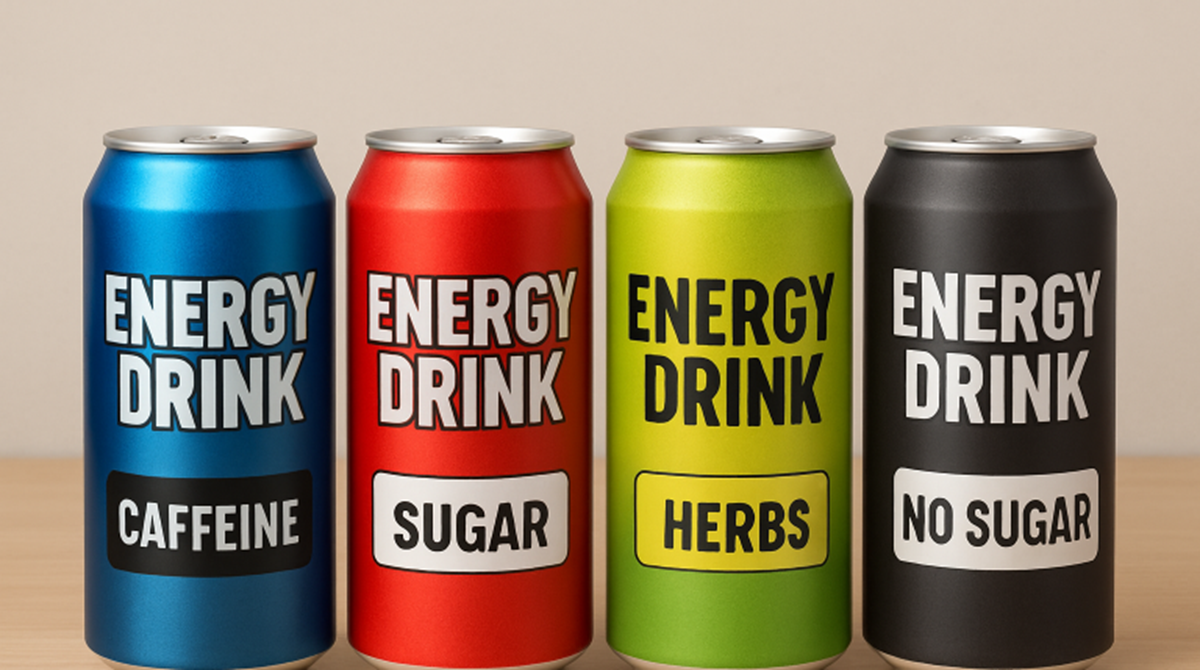
FSSAI's new action against Red Bull has raised questions about energy drinks. So, learn what energy drinks are, how they work, and how they differ from normal drinks.
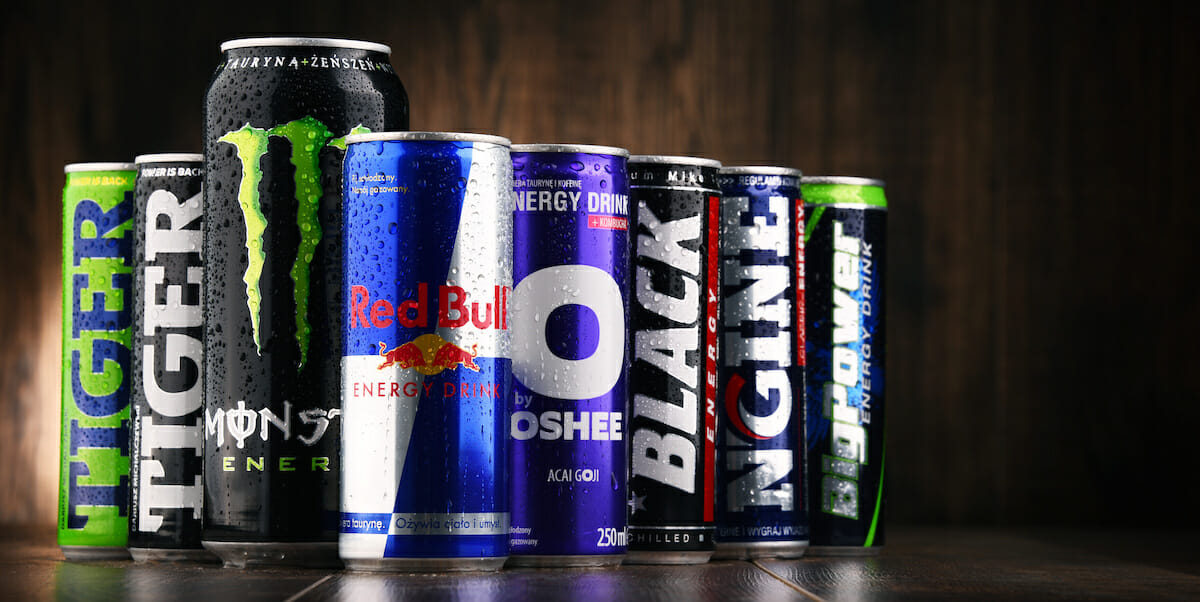
What is an energy drink?
In today's fast-paced lives, people use a variety of beverages to stay active and refreshed. Some drink coffee to relieve fatigue, while others turn to energy drinks for instant energy. There are many brands on the market that are very popular among young people. These are marketed in a way that claims to boost energy and alertness in the mind.
Recently, on November 16, 2026, the FSSAI issued a notice to Red Bull India, asking it to explain within seven days why its product should be called an energy drink. The regulator raised questions about the drink's high sugar content and its marketing. This has raised questions about what an energy drink is, and how different is it from a regular soft drink?
Energy drinks contain stimulants.
Energy drinks are beverages primarily made with stimulants like caffeine. They may also contain taurine, B vitamins, glucuronolactone, and other ingredients. They are primarily used to make a person feel more alert and aware for a short time. The caffeine in them stimulates the central nervous system and can temporarily reduce feelings of sleepiness and fatigue. However, this does not mean that the body's actual fatigue is eliminated or the need for sleep is met. This means that although a person may feel more active after drinking an energy drink, the body still needs rest.
This is how energy drinks differ from normal drinks.
The biggest difference between regular soft drinks and energy drinks is their ingredients and flavor. Regular soft drinks typically contain water, sugar, flavor, and carbonation. Energy drinks also contain stimulants like caffeine. For example, the purpose of regular soda or fruit drinks is to achieve flavor and refreshment, while energy drinks are marketed as a way to increase alertness. However, some regular soft drinks may also contain caffeine. Therefore, to understand a drink, it's important to look at its ingredients and nutrition label, not just its name.
Sugar content in Red Bull
The current controversy surrounding Red Bull is primarily due to its sugar content. Reportedly, the Food and Drug Administration (FSSAI) has questioned the 11 grams of sugar per 100 ml declared on Red Bull's label. This translates to approximately 27.5 grams in a 250 ml can, and approximately 55 grams in a 500 ml can. The regulator questions the appropriateness of marketing Red Bull as an energy drink when a large portion of its declared energy comes from added sugar. The FSSAI also expressed concern that the energy drink's label may mislead consumers about its nutritional value and encourage excessive sugar consumption.
Regular consumption of energy drinks is not good.
It's important to exercise caution when consuming energy drinks. Excessive caffeine can cause anxiety, sleep disturbances, and increased heart rate. Regular consumption of high sugar can increase the risk of weight gain and metabolic problems. It's also important to understand that energy drinks are not a substitute for sports drinks or ORS. They are not designed to replace water and electrolyte deficiencies in the body.