If you've already started cleaning for Diwali, be sure to take care of yourself as well, as this can increase allergies and respiratory problems. Learn easy ways to avoid them.

Diwali cleaning
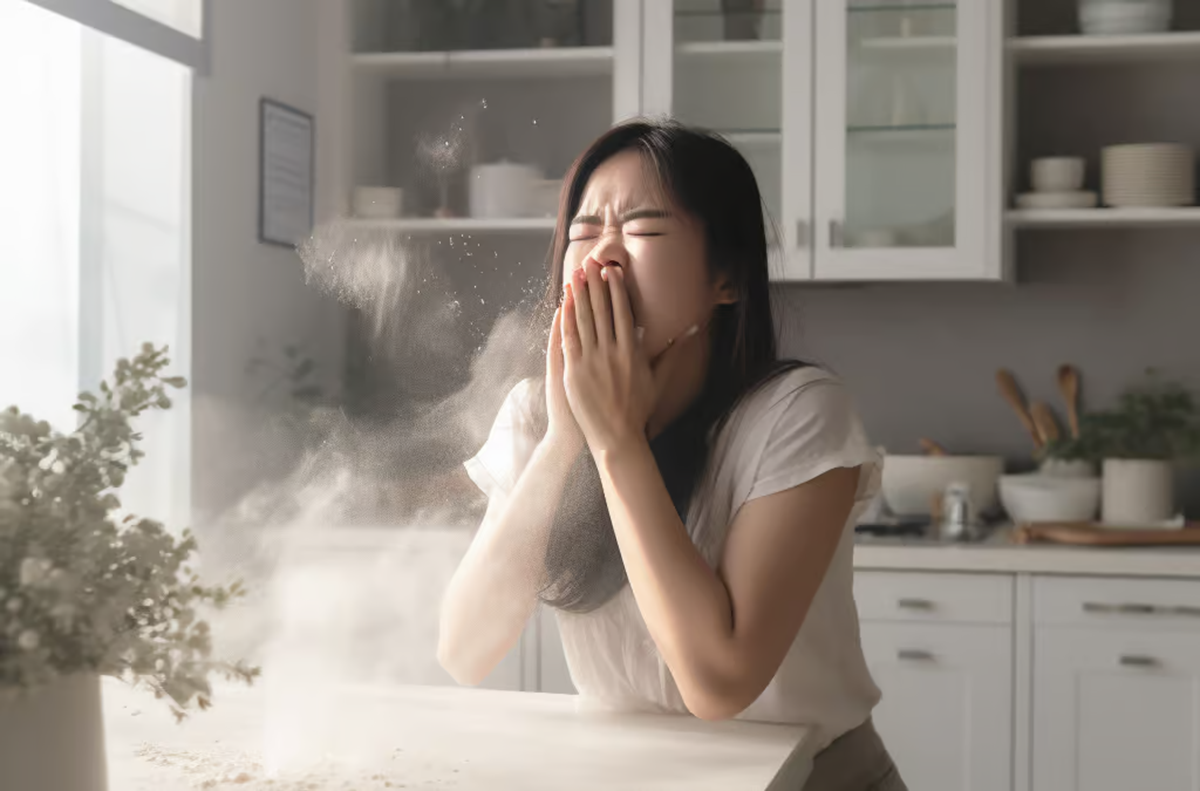
Before Diwali, most households begin cleaning. Some clean out cupboards, while others clean out old curtains, fans, and storerooms. However, removing months of accumulated dust can pose health risks. The dust generated during cleaning can cause persistent sneezing, coughing, and breathing difficulties for some. Those with pre-existing allergies to dust or other substances need to be especially cautious.
Why do we sneeze and cough while cleaning?
Dust accumulates in curtains, cupboards, furniture, and storerooms for extended periods of time. It also contains tiny insects and fungus particles. When we sweep with a broom or dry cloth, these particles are released into the air. When inhaled, they cause allergic reactions. This causes an itchy nose, frequent sneezing, coughing, and throat irritation. In some people, the airways may become inflamed, making breathing difficult.
The woman had to reach the hospital after cleaning
The doctor described the case of a 38-year-old woman who had been allergic to dust since childhood. Previously, she had sneezed upon contact with dust, but medication provided relief. During Diwali cleaning, she decided to clean the entire house in a single day. She didn't wear a mask or take breaks between cleaning sessions. Subsequently, she began sneezing and coughing. Gradually, her breathing problems worsened, and even walking became difficult. Upon arrival at the hospital, her oxygen level was 85 percent. She had to be admitted and put on oxygen and medication. Doctors diagnosed it as allergy-related bronchitis.
Keep these things in mind while cleaning for Diwali
When cleaning your house, wear an N95 mask to prevent inhaling dust particles. Instead of cleaning the entire house in one day, spread it out over several days. Clean one area of the house each day, taking breaks in between. Use a damp cloth instead of a dry cloth to dust, as this reduces dust dispersion. You can also use a vacuum cleaner. If you already have a dust allergy or respiratory problem, consult a doctor before starting cleaning.