
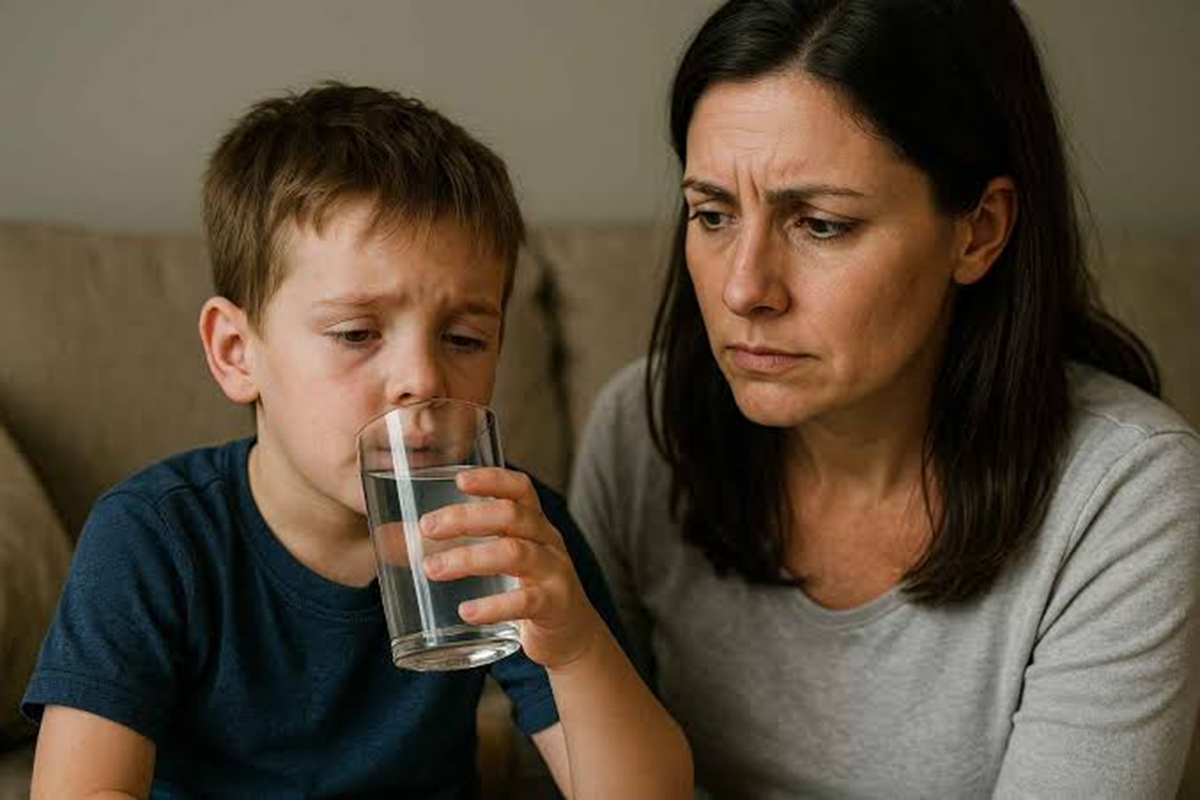
Diabetes in Children: If your child has frequent urination, feels thirsty, is tired, or is suddenly losing weight, then these could be symptoms of type 1 diabetes.
AIIMS advice on diabetes in children
Diabetes in Children: Frequent urination, excessive thirst, constant fatigue, and sudden weight loss in children can be signs of type 1 diabetes. Parents should not be negligent in noticing these symptoms and should have their child tested immediately. Early identification and proper treatment can help children live a better and normal life.
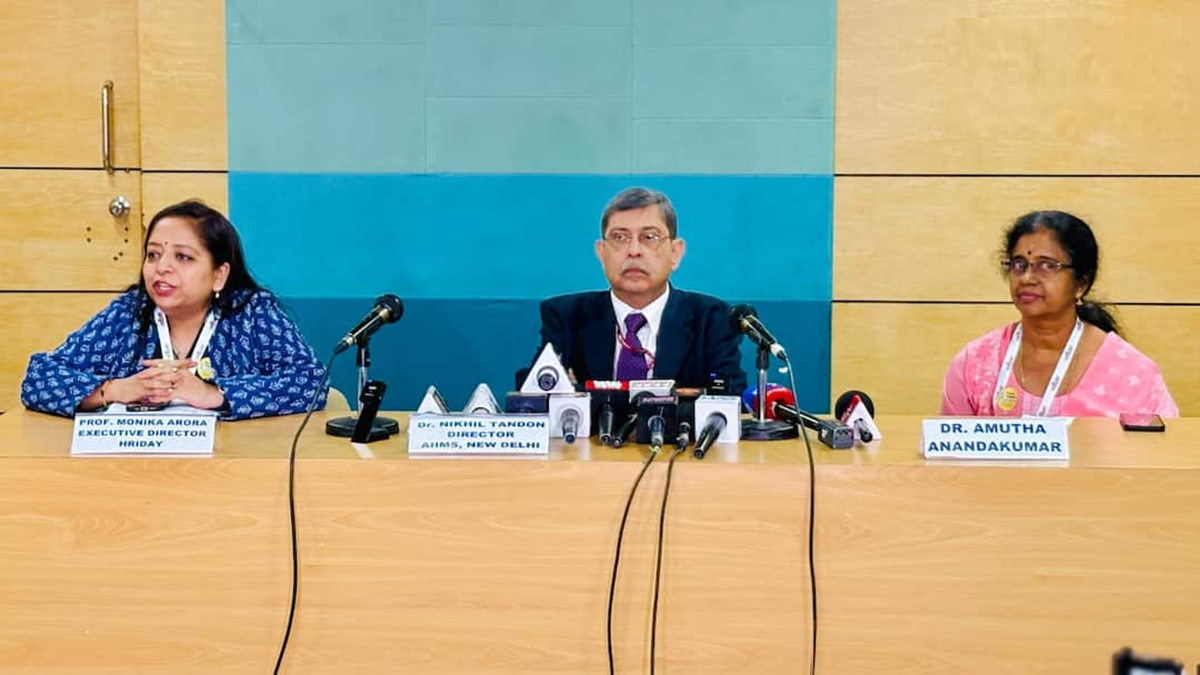
On Monday, AIIMS Delhi and HRIDAY presented a special briefing regarding this issue, bringing together a team of doctors, Health Ministry officials, teachers, parents, and children with type 1 diabetes. Discussions were held, along with information on diagnosis, treatment, and easing children's daily lives.
Timely testing can prevent the danger
AIIMS Director and Head of the Department of Endocrinology, Professor Nikhil Tandon, stated that simply diagnosing children with type 1 diabetes is not enough; it's also crucial to educate them about their condition and teach them how to manage it. This requires timely insulin administration, regular blood sugar monitoring, a healthy diet, and daily physical activity. He explained that if children receive appropriate medical advice and support at home and school, they, like other children, can live healthy and happy lives.
Screening is also included in government guidelines.
AIIMS stated that the 2026 guidelines for the Rashtriya Bal Swasthya Karyakram (RBSK) 2.0 include early detection of type 1 diabetes. This includes focusing on four early symptoms of the disease in children, known as the "4Ts." Toilet: frequent urination, Thirsty: frequent or excessive thirst, Tired: persistent fatigue, and Thinner: unexplained weight loss. Children with these symptoms can be identified, and their blood sugar can be tested on the spot. If necessary, they will be referred to the NCD clinic at the district hospital for timely treatment.
Children should receive full support at home and school.
HRIDAY's Executive Director, Prof. Monica Arora, explained that today's lifestyle is impacting our health. It's important to address issues like lack of physical activity, poor diet, lack of sleep, and stress from childhood. She added that children with type 1 diabetes should have an environment where they can take insulin without any hassle and take care of their health. This requires a collaborative effort between family, school, and society. Children should not be made to feel isolated because of their illness. Doctors also emphasized that schools should provide children with access to insulin and blood sugar testing when needed. They should also be allowed to participate in sports and other activities like other children.
Awareness reached more than 14 lakh people.
The program also provided information about HRIDAY's 'Grassroots to Global India Initiative.' This campaign is supported by Beyond Type 1. The first phase of this initiative reached over 1.4 million people, while the second phase has so far raised awareness among nearly 200,000 people. The network of people with type 1 diabetes and those sharing their experiences has also expanded. Initially, there were 14 people involved, but now it has grown to over 250.