LIFESTYLE
Delhi Air Pollution: Which organs are damaged first by Delhi's toxic air, and which people are at greater risk?
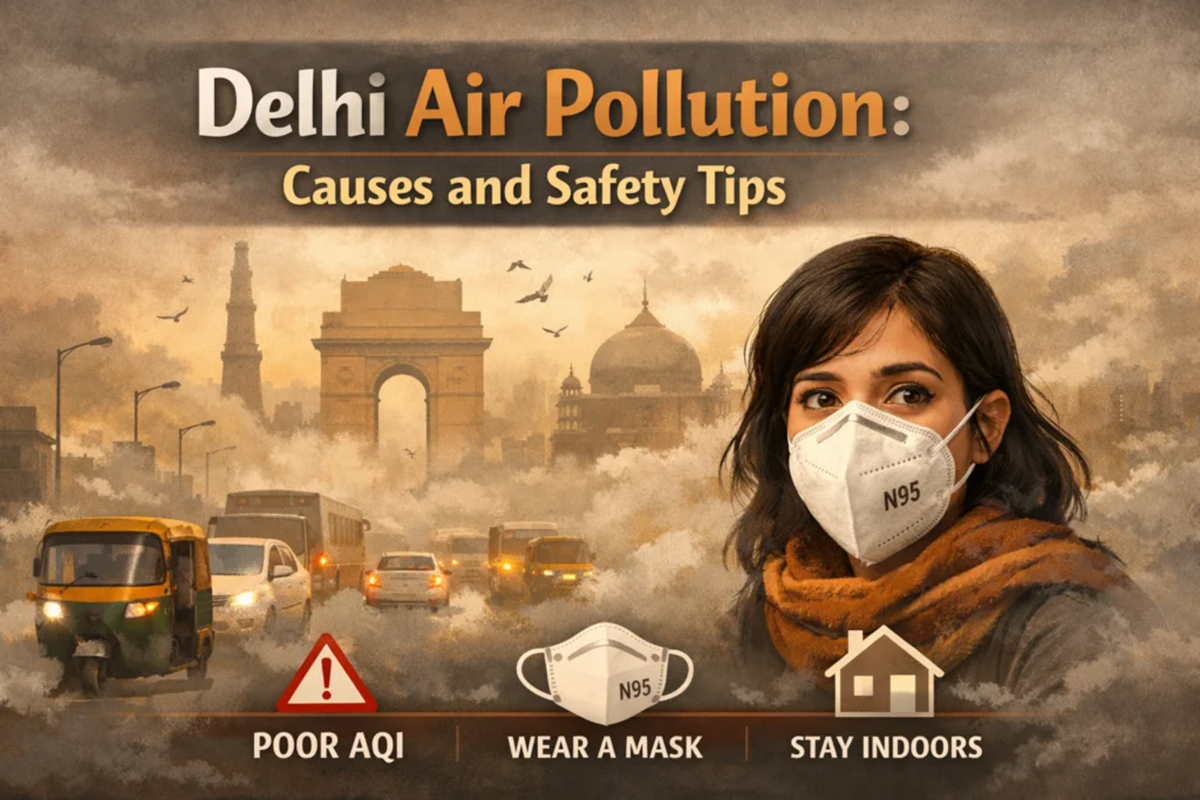
Pollution Protection: When discussing Delhi's polluted air, PM2.5 and PM10 are often mentioned. PM refers to a mixture of extremely small solid and liquid particles present in the air. These particles are invisible to the naked eye.
Delhi air pollution damage
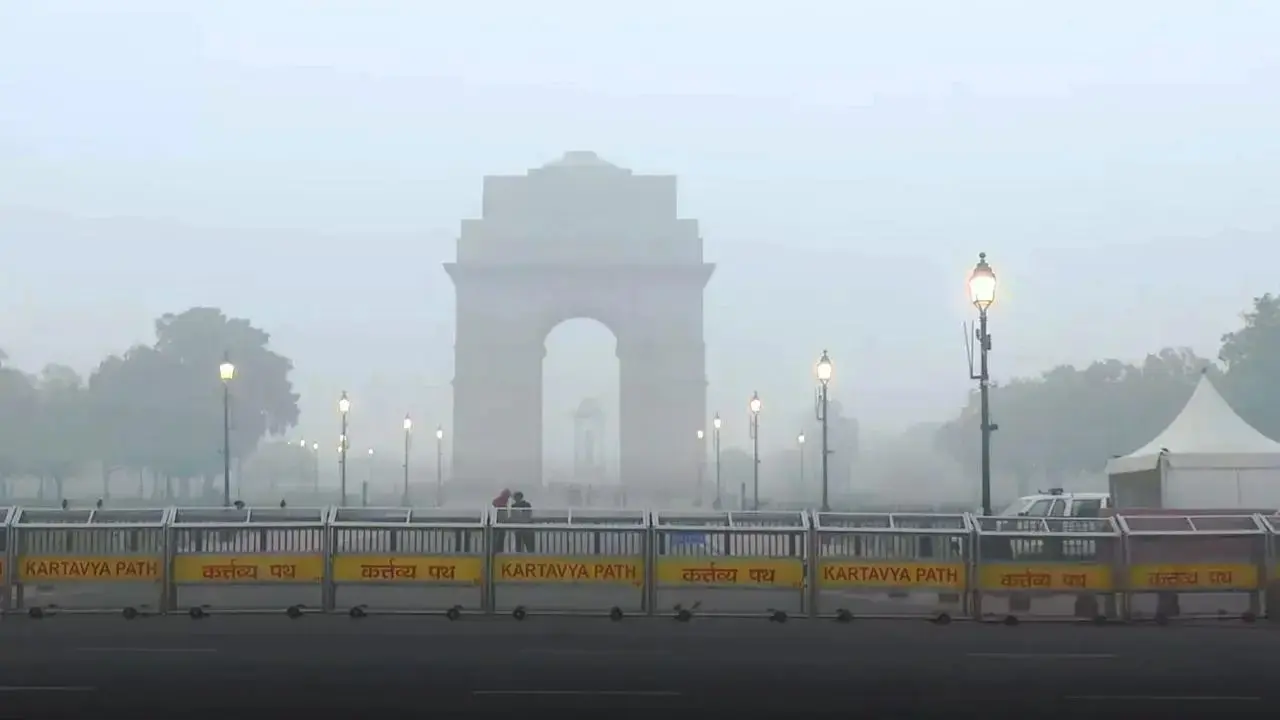
PM25 and PM10 Health Risks: Delhi's air often becomes so polluted during winter that a thick layer of haze and smog appears in the sky. Harmful airborne particles don't just affect the body when exposed to the outdoors; indoor dust, smoke, and cooking fumes can also increase continued exposure. Prolonged exposure to such air can affect many parts of the body, but the lungs, heart, and blood vessels are particularly affected.
Which harmful particles in Delhi's air are of most concern?
When talking about Delhi's poor air quality, PM2.5 and PM10 are often mentioned. PM refers to a mixture of extremely small solid and liquid particles present in the air. These particles are invisible to the eye but can have an impact on the body. According to a report from Max Super Speciality Hospital, PM2.5 are extremely small particles that can reach deep into the lungs and enter the bloodstream. Exposure to these particles has been linked to risks related to asthma, heart problems, and oxygen levels in the body. Meanwhile, PM10 are larger particles that can irritate the nose, throat, and eyes, leading to coughing and breathing problems.
The lungs may be affected first.
Polluted air directly interacts with the lungs and respiratory tract during breathing. Harmful particles in the air can cause irritation and inflammation of the respiratory tract, leading to increased mucus production. Long-term exposure to pollution can cause persistent coughing, shortness of breath, and wheezing. People with pre-existing asthma or bronchitis may experience worsening symptoms during high-pollution days. Indoor dust and smoke can also chronically impact the lungs. The effects of pollution are not limited to respiratory problems. Fine particles like PM2.5 can enter the bloodstream and increase inflammation in blood vessels, increasing the risk of high blood pressure, irregular heartbeat, and heart attack. Therefore, it is also important for those exposed to polluted air for long periods to monitor their heart health.
Immunity can also be affected.
Constant exposure to polluted air can weaken the body's immunity and affect its ability to fight infection. Children and the elderly are particularly vulnerable. Therefore, frequent illnesses or increased infections can be a cause for concern.
Effects on eyes, skin and mental health
Polluted air can also affect the eyes and skin. Harmful particles in the air can cause dryness and irritation of the skin, leading to redness, itching, dryness, and watery eyes. Long-term exposure to pollution can also impact mental well-being, causing fatigue, mood swings, and difficulty concentrating.
Who are most at risk?
Delhi's polluted air can affect everyone, but some people may be at greater risk. Children's lungs are still developing, and their breathing rate is higher, making them more susceptible to respiratory problems and allergies. Older people, as their immunity and lung capacity decline with age, may be at increased risk for infections and heart problems. For those with asthma, COPD, or pre-existing heart conditions, pollution can exacerbate existing problems.
Pregnant women also need to be extra cautious. Reduced oxygen intake due to polluted air can affect the mother's health and fetal development. Additionally, outdoor workers, such as traffic police, delivery staff, and construction workers, are exposed to polluted air for long periods of time, so they may be at higher risk.
Be careful if you see these symptoms in your body.
The effects of pollution don't always appear immediately. Sometimes, the body begins to show signs gradually. A persistent cough or throat irritation, shortness of breath or wheezing, fatigue and headaches, redness or watery eyes, and worsening asthma or allergy symptoms may be signs worth paying attention to. If these symptoms persist, a lung function test or preventive health checkup may be necessary to detect potential pollution-related effects early.
What to do for protection?
It's recommended to use an N95 or similar high-quality mask when going outside on days with poor air quality. Keeping windows closed on high-pollution days and using an air purifier can also help reduce indoor pollution.