When buying a quilt for winter, consider not only its price, but also its filling, warmth, weight, and maintenance. Learn the difference between cotton and fiber quilts.
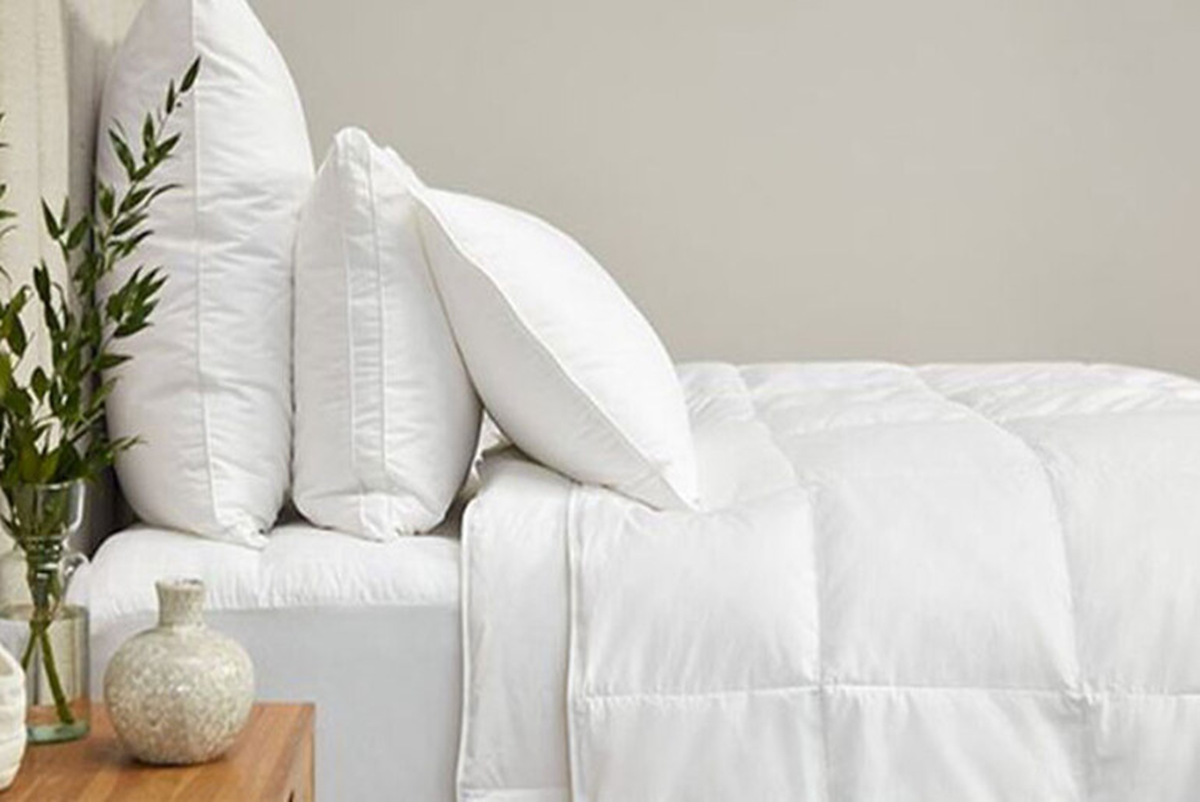
As soon as winter sets in, quilts and blankets are brought out. Both cotton and fiber quilts are readily available in the market these days. While they may appear similar at first glance, they differ in weight, warmth, and care requirements. Cotton quilts are the traditional choice, while fiber quilts are considered lighter and easier to handle. Therefore, it's important to consider your needs and the weather before purchasing one.
Cotton quilts provide natural warmth.
Cotton quilts have long been used in Indian homes. They are filled with natural cotton, which helps retain body heat. A good quality cotton quilt provides excellent warmth during cold weather. Cotton quilts are generally heavier than fiber quilts, requiring more space to lift, fold, and store. Over time, cotton can also become clumped, so it's important to expose it to sunlight and store it properly. When purchasing a cotton quilt, be sure to check the stitching and quality of the quilt. If the cotton stretches well and the quilt's seams are strong, it will last longer.
Fiber quilts are light and easy to handle
Fiber quilts typically use synthetic fibers. Their biggest advantage is their light weight. They are easier to lift and fold than cotton quilts. Fiber quilts come in varying fillings and GSMs, or the amount of fiber used in the quilt. A quilt with a higher GSM is typically heavier and warmer. Therefore, when purchasing, don't just look at the label "fiber quilt"; consider the filling and GSM information. These quilts are also easier to handle. Many fiber quilts are machine-washable, but not all are machine-washable. Therefore, be sure to read the care label before purchasing.
Which quilt is right for you?
If you prefer traditional quilts, don't mind the extra weight, and your area experiences extreme cold, a good-quality cotton quilt is an option. However, if you want a lightweight quilt that's easy to fold and store, a fiber quilt is convenient. If you're buying a quilt for children or the elderly, it's important to consider both weight and care. For those with allergies or respiratory issues, be careful when choosing quilt material. When buying a quilt, don't base your decision solely on price. Consider its warmth, weight, filling quality, stitching, wash instructions, and your area's climate. The right quilt is one that's comfortable for your needs, weather, and use.