LIFESTYLE
Control anxiety without medication, an American doctor reveals 6 daily stress-reducing habits
According to experts, morning sunlight helps regulate the body's sleep-wake cycle. Early morning sun exposure balances the hormone melatonin, which improves mood and reduces symptoms of anxiety.

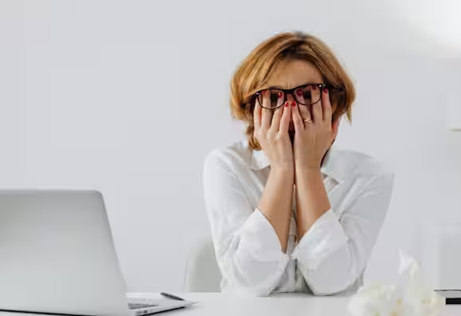
In today's fast-paced lives, stress and anxiety are becoming common problems. Sometimes, they gradually become a part of daily life. However, medication isn't always necessary to overcome them. According to an American doctor, making small changes to daily habits can significantly control anxiety and stress. He believes that when sleep, diet, movement, and screen time are balanced, anxiety begins to decrease automatically. So, let's now tell you which six daily habits can help you reduce stress.
1 /6
According to experts, morning sunlight helps regulate the body's sleep-wake cycle. Early morning sun exposure balances the melatonin hormone, which improves mood and reduces symptoms of anxiety. Several studies have also shown that spending time in morning light increases positive mood and reduces the risk of anxiety.
2 /6
Additionally, prolonged fasting can increase stress hormones in the body. Experts say that when there are long gaps between meals, hormones like adrenaline and cortisol increase, which can lead to anxiety, a rapid heartbeat, and restlessness. Eating regularly and on time helps keep blood sugar under control and reduces anxiety.
3 /6
Experts say that getting adequate sleep every day is crucial for mental health. Lack of sleep weakens the brain's emotional control, which can increase anxiety. Research shows that improving sleep quality significantly reduces anxiety symptoms, while poor sleep increases the risk of anxiety.
4 /6
Drinking too much tea or coffee can also increase anxiety. Doctors say that caffeine over-activates the nervous system, which can increase symptoms like anxiety, restlessness, and panic. Especially for those already struggling with anxiety, excessive caffeine intake can be harmful. Reducing caffeine intake can improve both anxiety and sleep.
5 /6
Sitting in one place for long periods of time also increases tension in the body, which can further aggravate anxiety. Experts say that light physical activity or a short walk in between work is beneficial. Even a 10-minute walk can help improve mood and reduce anxiety.
6 /6
Furthermore, doctors say that excessive screen time and social media use are linked to stress and anxiety. Constant notifications, late-night mobile use, and excessive screen time can all tire the brain. Reducing screen time, limiting notifications, and taking time away from technology can improve mental well-being and sleep quality.