NEWS
Constitution Day 2026: Do we have the right to practice and propagate any religion? Learn what Article 25 says.
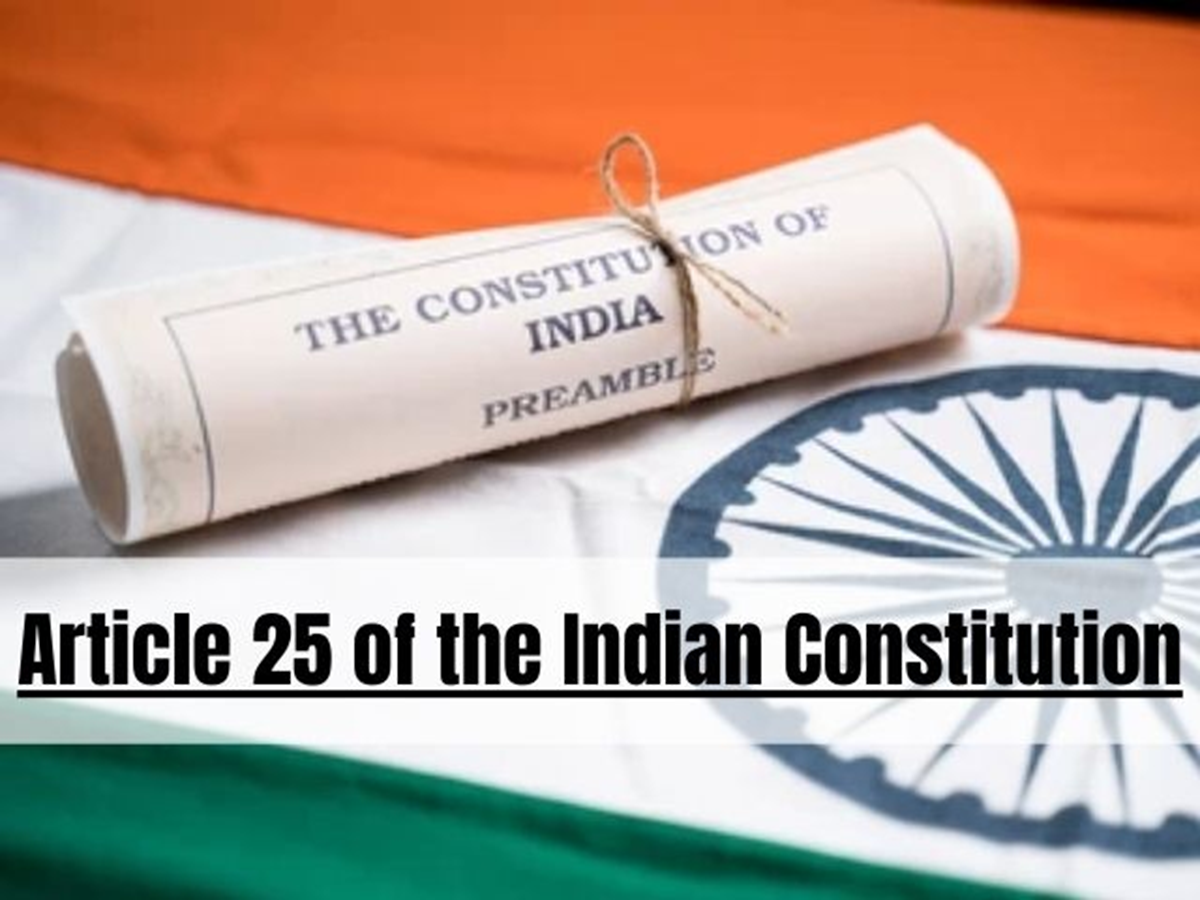
Constitution Day 2026: Article 25 of the Constitution guarantees the freedom to profess, practice, and propagate religion. Learn about its limits and what the Supreme Court said on religious conversion.
Constitution Day 2026
The Constitution grants every individual the freedom to choose their faith, practice it, and impart its teachings to others. In a significant decision, the Supreme Court has clarified the extent of this right to propagate religion.
You can discuss the teachings of your religion with someone. The person you are talking to has equal freedom to decide about their own beliefs. Article 25 of the Constitution, which deals with freedom of religion, ties these two rights together.
Today, November 26, is Constitution Day. On this date in 1949, the Constituent Assembly adopted the Constitution of India, which came into effect on January 26, 1950.
What is meant by freedom of religion in Article 25?
Article 25(1) guarantees every individual freedom of conscience. Simply put, this means that individuals have the right to exercise their conscience regarding their faith. They also have the right to freely profess their religion, follow its religious practices, and propagate its teachings. The Constitution guarantees this right to all individuals equally.
For example, a person can offer prayers according to his or her religious beliefs and explain the teachings of his or her religion in any assembly. The exercise of these rights is subject to public order, morality, health, and other provisions of Part III of the Constitution. Article 25(2) also allows the government to make laws for the regulation of economic, financial, political, or other non-religious activities connected with religious practices and for social reform.
What did the Supreme Court say on propagation of religion and religious conversion?
In 1977, in the Rev. Stanislaus v. State of Madhya Pradesh case, the Supreme Court held that propagation means explaining the tenets of one's religion to others. Article 25 does not guarantee the fundamental right to convert another person. In that case, the Court upheld the laws of Madhya Pradesh and the then-Orissa State that prohibited religious conversion by force, inducement, or fraud.
The question of choosing one's faith is linked to individual freedom. In the 2018 case of Shafin Jahan vs. Ashokan K.M., also known as the Hadiya case, the Supreme Court recognized the choice of faith and belief as part of individual autonomy. This means that the Constitution grants one the freedom to express one's religion, while also granting one the freedom to decide one's own faith.