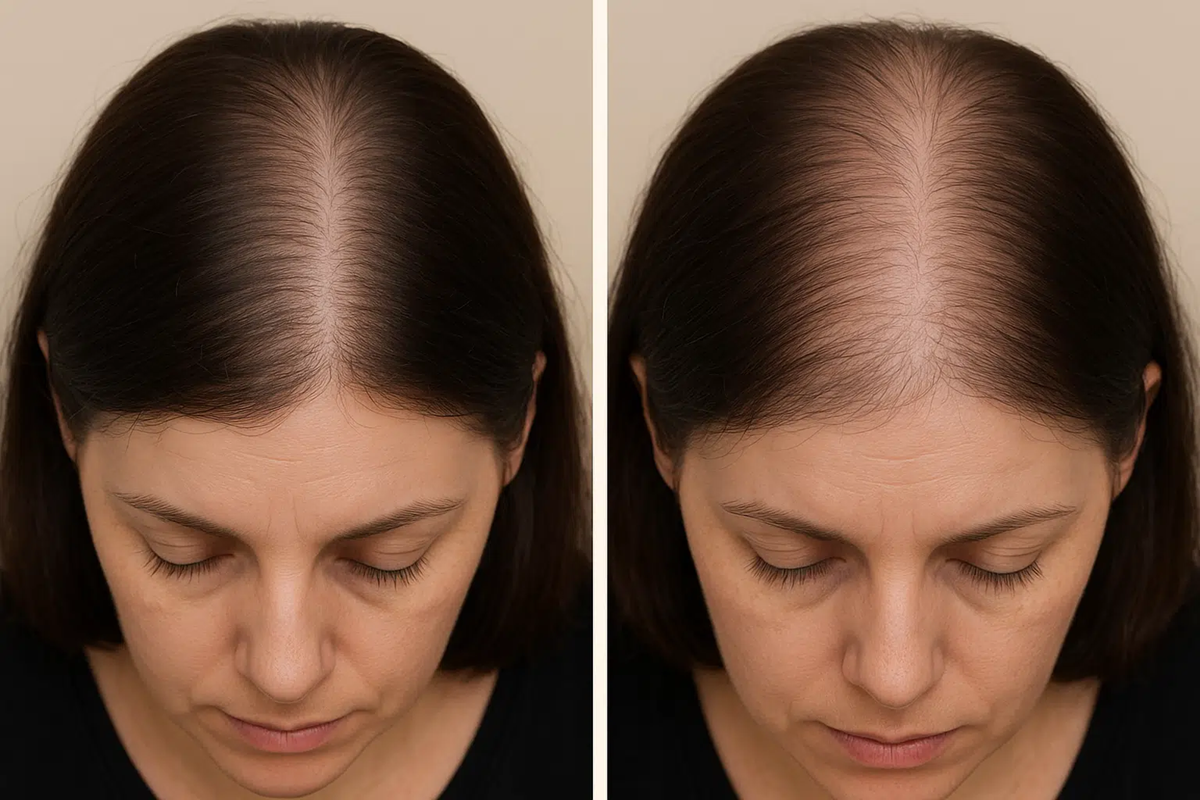
Hair transplants are quite popular these days to reduce hair loss and improve the hairline, but do you know that there is also a risk of side effects after a hair transplant?
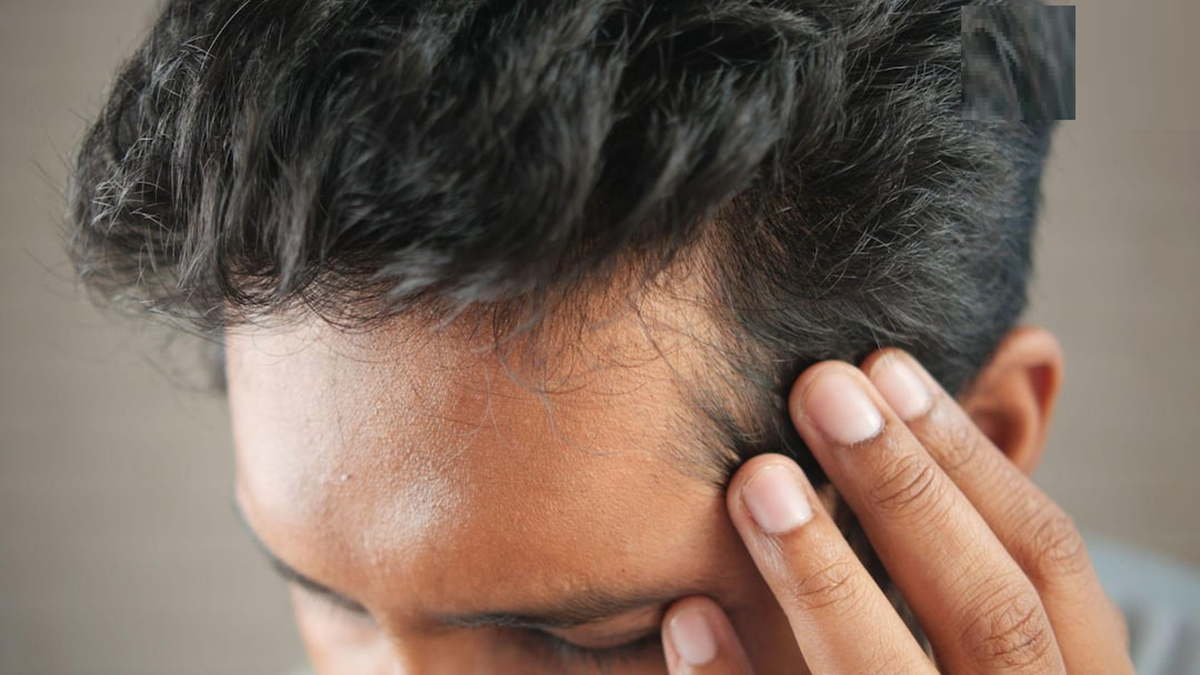
Side Effects of Hair Transplant
Continuous hair loss is a cause of concern for many people. Especially when hair begins to thin or patches of baldness appear on the front of the head, people opt for a hair transplant. This is a surgical procedure that involves removing hair roots from areas of the head with thicker hair and transplanting them to areas with less hair.
This procedure is generally considered very safe, but sometimes it does have some side effects. For some people, the problem only lasts for a short time. So, let's learn about hair transplantation and important information related to it.
Swelling and pain after the transplant
Mild pain, tenderness, and swelling of the scalp are normal after a hair transplant. Some people also experience swelling around the forehead and eyes for a few days. This problem is usually short-lived and resolves gradually.
There is also a risk of infection.
Hair transplantation is a surgical procedure, so the risk of infection is never completely eliminated. If hygiene is not maintained during the procedure or if the doctor's prescribed care is not followed afterward, infection can occur. Therefore, if symptoms such as swelling, pus, increasing pain, or fever occur, it is important to contact your doctor.
Hair may fall out more.
After a transplant, many people experience temporary loss of the transplanted hair as well as surrounding hair. This is called shock loss. However, in many cases, this is only temporary, and the hair begins to grow back. It can take several months for the new hair to fully develop. Itching, tingling, or numbness of the scalp may also be felt after a hair transplant. This is due to the temporary effects on the skin and nerves.
Choosing a doctor is the most important.
Before choosing a hair transplant, it's not wise to choose a clinic based solely on the price. It's crucial to consider the doctor's qualifications, experience, techniques used, the clinic's cleanliness, and your hair condition. Hair transplants are generally discouraged if you're under 23 or 25 years old. The best time to get a hair transplant is when a certain area of your head has been cleared by 70 to 100 percent.