LIFESTYLE
Child Feeling Hungry Often? 8 Parenting Tips to Build Healthier Eating and Nutrition Habits
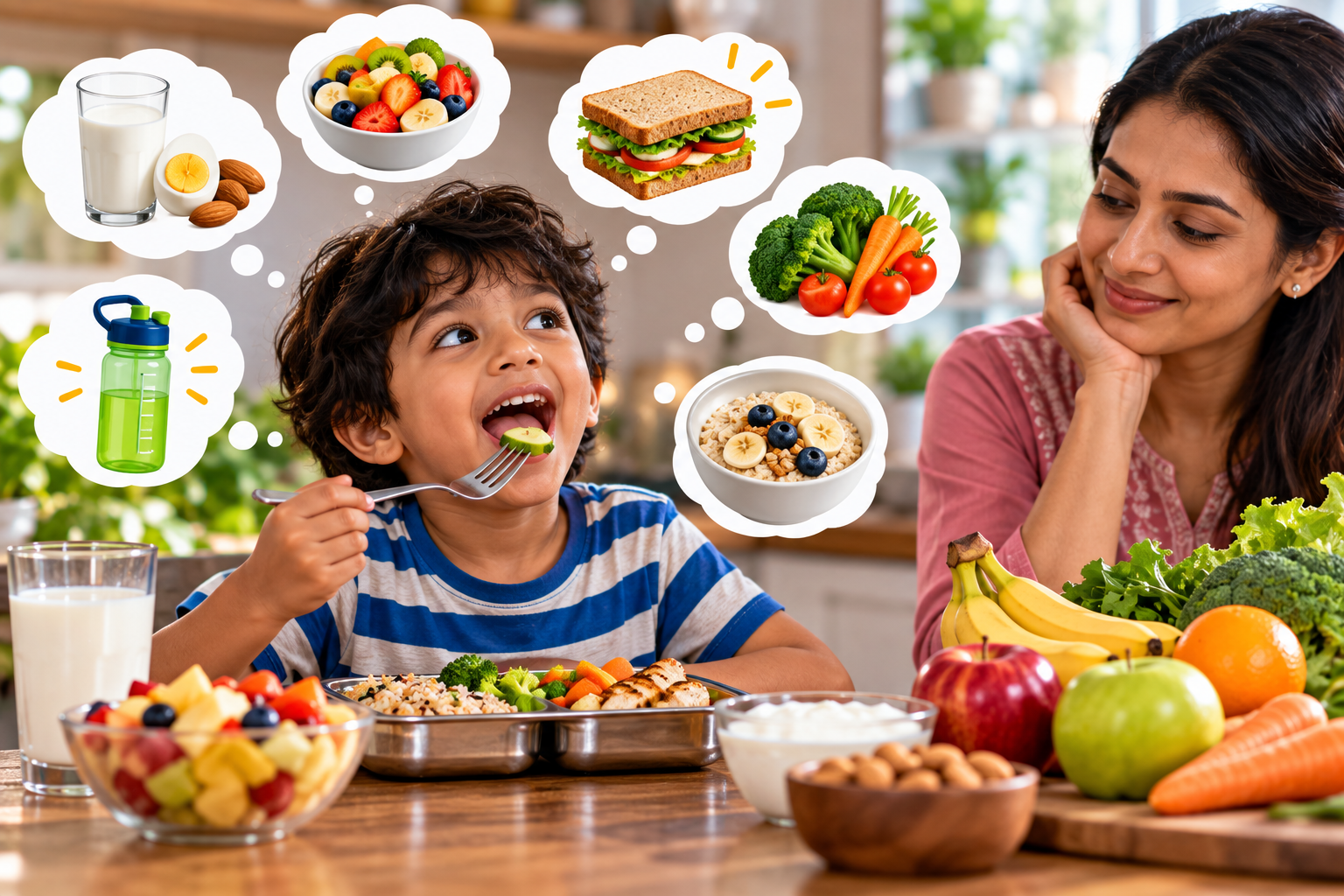
Children often ask for something to eat several times during the day, leaving parents wondering whether they are genuinely hungry or simply craving a favourite snack. While growing children naturally need enough energy and nutrition, every request for food does not necessarily mean physical hunger.
Sometimes the desire to eat can be connected with boredom, routine, emotions or activities such as watching television and playing games. A child who automatically asks for biscuits whenever the TV is switched on, for example, may have developed an association between screen time and snacking.
Instead of immediately restricting food or assuming that the child is overeating, parents can focus on understanding eating patterns and creating a balanced food environment at home.
1. Help Children Recognise Hunger and Fullness
Physical hunger often develops gradually. A hungry child may be willing to eat a normal meal or a range of available foods rather than insisting on only one particular snack.
Eating driven by habit can look different. A child may suddenly want chips while watching television, ask for biscuits shortly after a meal, or expect a snack every time they start playing a game on a phone or tablet.
These patterns do not necessarily mean the child is deliberately being difficult. Repeated routines can create strong associations between certain activities and food.
Parents can help children gradually learn to recognise their own hunger and fullness cues.
2. Avoid Labelling a Child as Greedy or Overeating
If a child regularly asks for food, avoid immediately describing them as greedy, stubborn or someone who "eats too much."
Negative labels and criticism around food can make eating stressful and may affect a child's relationship with food.
Instead, parents can respond calmly and help the child think about what they are feeling. Depending on the child's age, asking whether they are hungry or simply feel like having a particular snack can encourage awareness of internal hunger signals.
The goal should not be to make children feel guilty about eating.
3. Create a Regular Meal and Snack Routine
A predictable eating schedule can make it easier for children to know when food will be available.
Regular meals along with age-appropriate snacks can help provide energy throughout the day. The exact schedule and portion sizes will vary depending on the child's age, growth, activity level and individual nutritional requirements.
Parents should also remember that children's appetites can naturally fluctuate. A child may eat more during periods of rapid growth or after increased physical activity and less at other times.
Rigidly forcing a child to finish a fixed amount of food is generally less helpful than offering balanced options and paying attention to hunger and fullness.
4. Keep Nutritious Foods Easily Available
The home food environment can strongly influence what children request.
If packaged snacks, sweets, biscuits and similar foods are constantly visible and easily accessible, children may naturally ask for them more often.
Parents can make nutritious options convenient as well. Depending on the child's age, dietary needs and any allergy or choking considerations, options may include fruit, curd or yogurt, makhana and suitable homemade snacks.
Age-appropriate nuts or dried fruits may also be options for some children, but whole nuts can be a choking hazard for young children. Food should always be offered in a form appropriate for the child's age and development.
5. Don't Completely Ban Favourite Foods
Improving nutrition does not necessarily require removing every favourite snack from the house.
Making particular foods completely forbidden can sometimes increase a child's interest in them. A more practical approach can be to provide nutritious everyday foods while allowing preferred treats in reasonable amounts as part of an overall balanced diet.
Parents can focus on variety rather than labelling foods as morally "good" or "bad."
A balanced diet can include appropriate sources of protein, whole grains or other staple carbohydrates, vegetables, fruits, dairy or suitable alternatives, and healthy fats according to the child's needs.
6. Break the Screen-and-Snack Connection
If a child automatically asks for food whenever the television, smartphone or tablet comes on, parents can gradually work on separating the two activities.
Eating while distracted by a screen can make it harder to pay attention to hunger and fullness cues.
Where practical, families can establish specific places and times for meals and snacks and reduce unnecessary screen use while eating.
This change does not need to happen overnight. Gradually establishing a consistent routine may be easier for both parents and children.
7. Understand Why Your Child Is Asking for Food
Food requests can sometimes have little to do with physical hunger.
A child may ask for something to eat because they are bored, tired, upset or simply following an established routine.
Instead of immediately saying yes or no, parents can observe patterns. Does the child ask for food only during screen time? Does the request always involve one specific snack? Did the child eat a full meal just a few minutes earlier?
Understanding the situation can help parents respond more appropriately without turning food into a source of conflict.
8. Encourage Healthy Habits Without Shame
Parents play an important role in shaping a child's relationship with food.
Rather than criticising body size, appetite or food choices, focus conversations on health, energy, variety and how different foods help the body.
Parents can also model the habits they want children to develop. Eating balanced meals together, choosing a variety of foods and avoiding constant distracted snacking can make healthy routines feel normal rather than restrictive.
When Frequent Hunger Should Be Discussed With a Doctor
Frequent hunger can sometimes simply reflect growth, increased activity or an insufficiently filling meal. However, a sudden or persistent increase in appetite should not automatically be dismissed as a habit.
Parents should consider speaking with a pediatrician if unusual hunger is persistent or accompanied by concerning changes such as unexplained weight loss, excessive thirst, frequent urination, unusual tiredness, significant changes in growth or other symptoms.
A healthcare professional can assess the child's growth, diet and overall health and determine whether further evaluation is necessary.
Focus on What, When and Why Children Eat
Building healthy eating habits is not only about deciding which foods children should eat. Parents can also pay attention to when children eat, why they are asking for food and whether meals provide sufficient nutrition and satisfaction.
Keeping nutritious choices accessible, maintaining a reasonable meal-and-snack routine, limiting distracted eating and helping children recognise hunger and fullness can support healthier long-term habits.
Most importantly, food should not become a constant battle. A calm and supportive approach can help children gradually develop the skills they need to make healthier eating decisions as they grow.