Desi ghee has been a traditional part of Indian diets for generations. From adding flavour to dal and rotis to being used in sweets and festive dishes, clarified butter remains a common ingredient in many households. But because ghee is rich in fat and calories, a common question is whether eating too much of it can lead to gallstones.
The answer is not as simple as blaming one food. Desi ghee itself is not considered a direct cause of gallstones. Gallstones develop due to a combination of factors involving the composition of bile, gallbladder function, body weight, diet and other health conditions.
However, regularly consuming excessive amounts of calorie-dense, saturated-fat-rich foods may contribute to weight gain and other metabolic factors associated with gallstone risk.
What Are Gallstones and How Do They Form?
The gallbladder is a small organ located beneath the liver. It stores bile, a digestive fluid produced by the liver that helps the body digest fats.
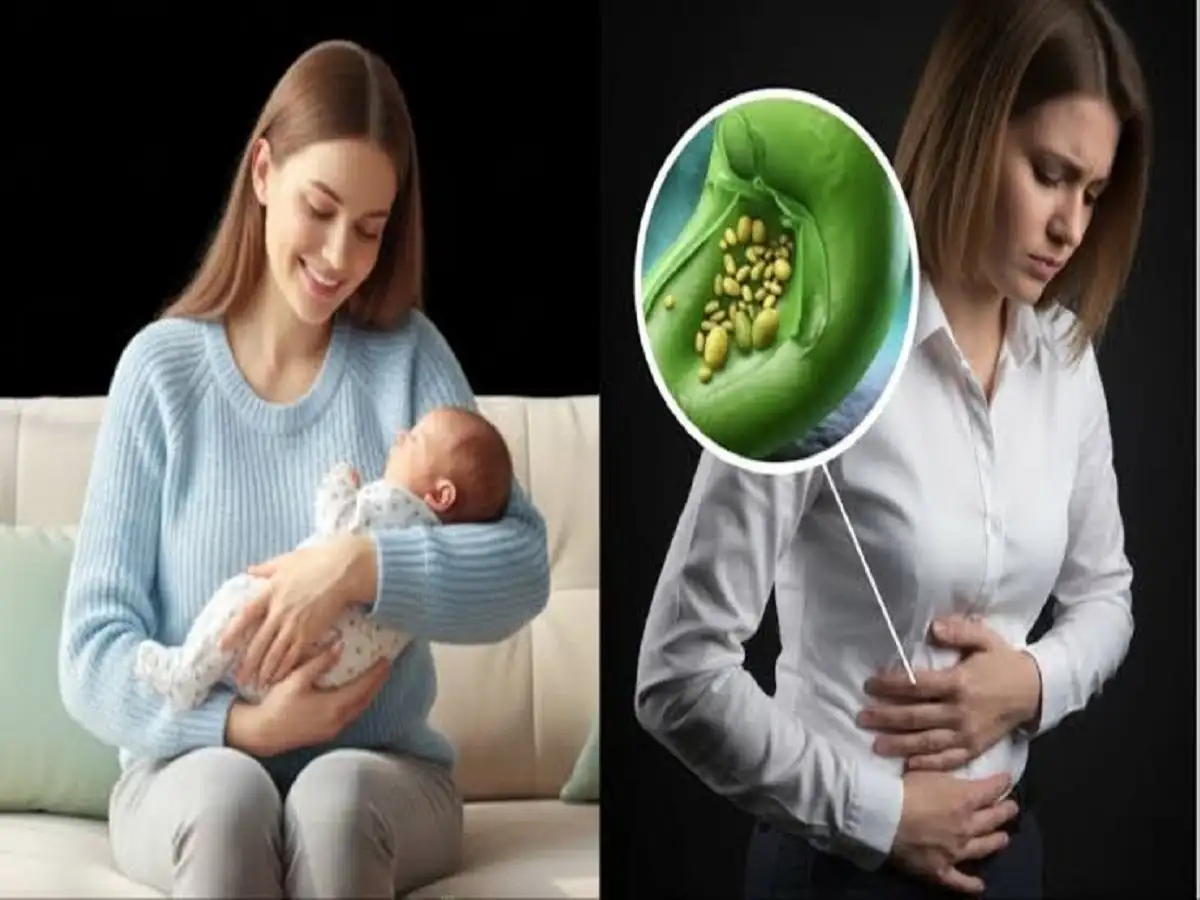
Gallstones are hardened deposits that develop inside the gallbladder. There are different types, but cholesterol stones are the most common.
According to the U.S. National Institute of Diabetes and Digestive and Kidney Diseases, gallstones may develop when bile contains too much cholesterol or bilirubin, or when the gallbladder does not empty properly. NIDDK gallstones information
Therefore, the development of gallstones is considerably more complicated than simply eating a particular food.
Does Desi Ghee Directly Cause Gallstones?
There is no basis for saying that eating desi ghee alone automatically causes gallstones.
The source article also makes this distinction clear. It notes that ghee should not be described as the sole cause of gallstones, although excessive consumption could contribute indirectly to certain risk factors.
Ghee contains a substantial amount of fat and is calorie-dense. If someone regularly consumes more calories than their body requires, it can contribute to weight gain.
Obesity itself is a recognised risk factor for gallstones. NIDDK notes that people with obesity have a higher chance of developing gallstones, particularly cholesterol stones.
This means the more useful question is not whether ghee "creates stones," but whether the person's overall diet, weight and lifestyle are increasing their risk.
People With Existing Gallstones May Notice Symptoms After Fatty Meals
The situation can be different for someone who already has gallstones.
When food containing fat enters the digestive system, the gallbladder contracts and releases bile into the small intestine. If a gallstone moves and blocks a bile duct during this process, it can trigger significant pain.
The supplied article therefore advises people who already have gallstones to be cautious about excessive consumption of ghee, fried foods and other high-fat meals.
That does not mean every person with gallstones must follow an extremely low-fat diet. Dietary needs can vary considerably, so people experiencing symptoms should discuss appropriate food choices with a doctor or registered dietitian.
Which Factors Can Increase Gallstone Risk?
Several factors can influence a person's chances of developing gallstones. These include obesity, certain metabolic conditions, family history and rapid weight loss.
Diet can also play a role, but it should be considered as part of the overall picture rather than focusing on one ingredient.
Interestingly, rapid weight loss can itself increase gallstone risk. When someone loses weight very quickly, the liver can release additional cholesterol into bile, while the gallbladder may not empty normally. NIDDK guidance on dieting and gallstones
This is another reason why extreme dietary changes should not be seen as a simple way to prevent the condition.
Gallstone Symptoms You Should Not Ignore
Many people can have gallstones without experiencing symptoms. Problems generally arise when a stone blocks a bile duct.
The supplied article highlights warning signs such as severe pain in the upper-right abdomen, pain spreading towards the back or right shoulder, vomiting, fever, jaundice and significant discomfort after eating.
A typical gallbladder attack can cause sudden pain in the upper-right abdomen that may last for several hours.
Medical attention becomes particularly important if abdominal pain is accompanied by fever, chills, persistent vomiting, or yellowing of the skin or whites of the eyes. These symptoms can indicate a complication that requires prompt evaluation.
Does High Blood Cholesterol Mean You Will Develop Gallstones?
The relationship between cholesterol and gallstones can be confusing.
Most gallstones are cholesterol stones, but this does not mean that a high cholesterol level in a blood test directly translates into cholesterol stones in the gallbladder.
Gallstone formation depends on what happens inside bile and how effectively the gallbladder empties.
The supplied article similarly cautions against assuming a simple cause-and-effect relationship between elevated blood cholesterol or triglycerides and gallstones in every individual.
Body weight, metabolism, diet and several other factors can interact to influence overall risk.
Should You Stop Eating Desi Ghee Completely?
For most people, there is no need to conclude that ghee must automatically be eliminated simply because of concerns about gallstones.
Quantity and overall dietary pattern matter.
Someone eating a balanced diet and using a modest amount of ghee is in a very different situation from a person regularly consuming large quantities of ghee alongside fried foods and an overall calorie-heavy diet.
People who already have gallstones, obesity, high cholesterol or digestive problems may need more individualised advice. The original source also recommends deciding ghee intake with a doctor or dietitian when such conditions are present.
The Bottom Line
Desi ghee should not be labelled as a direct cause of gallstones. Gallstone formation is influenced by multiple factors, including bile composition, gallbladder function, obesity, rapid weight changes and other health conditions.
At the same time, ghee is calorie-dense and rich in saturated fat, so consuming it excessively may contribute to an unhealthy dietary pattern and weight gain. Moderation is therefore a more sensible approach than either consuming unlimited amounts or eliminating it unnecessarily.
Most importantly, anyone experiencing repeated upper-right abdominal pain—particularly when accompanied by fever, vomiting or jaundice—should seek medical evaluation rather than trying to manage the problem solely by changing the amount of ghee in their diet.