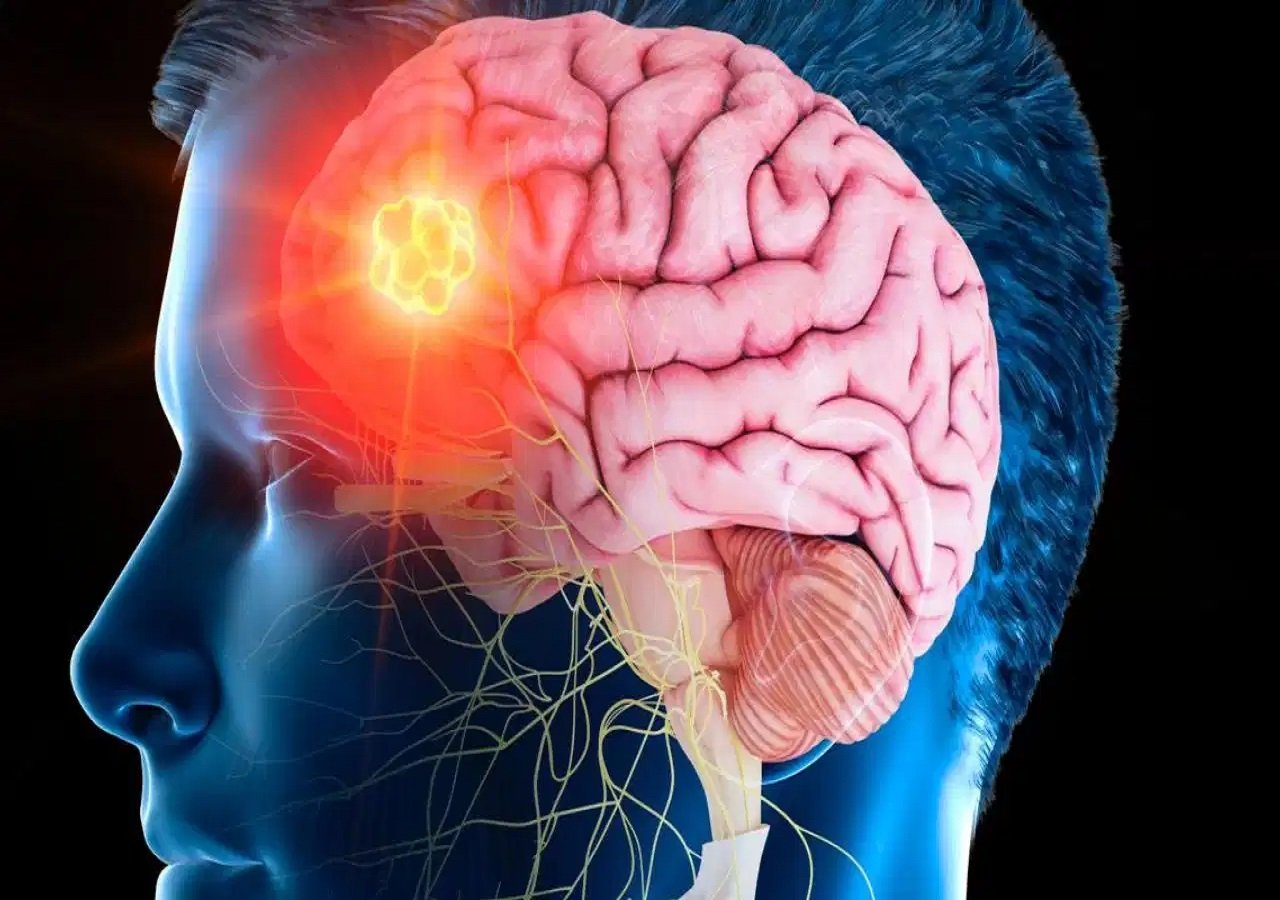
A brain stroke is a serious and potentially life-threatening medical condition that can strike suddenly, often without prior warning. However, the body usually shows certain early signs that, if recognized in time, can help save a person’s life and reduce long-term complications. Understanding these symptoms and acting quickly can make a critical difference in recovery outcomes.
A stroke occurs when the blood supply to a part of the brain is suddenly interrupted or when a blood vessel in the brain bursts. This disruption deprives brain cells of oxygen and essential nutrients, causing them to begin dying within minutes. Because of this rapid damage, immediate medical attention becomes crucial to prevent severe disability or death.
Major Risk Factors That Increase Stroke Chances
Several health conditions and lifestyle factors significantly raise the risk of stroke. One of the most common and dangerous risk factors is high blood pressure, which puts excessive strain on blood vessels and increases the likelihood of blockage or rupture.
Other contributing conditions include diabetes, obesity, and high cholesterol levels. In addition, unhealthy habits such as smoking further elevate the risk by damaging blood vessels and reducing overall cardiovascular health. People with these conditions need to be especially vigilant about early warning signs.
Key Symptoms You Should Watch For
Recognizing stroke symptoms early can be lifesaving. Some of the most common warning signs include sudden difficulty in speaking or understanding speech. A person may struggle to form sentences or may not be able to comprehend what others are saying.
Another major symptom is facial drooping, where one side of the face may appear uneven or saggy. This is often noticeable when the person tries to smile.
Weakness or numbness in the arms or legs is also a critical sign, particularly if it affects only one side of the body. A person may find it difficult to lift an arm or may experience a sudden loss of coordination.
Other symptoms can include sudden confusion, blurred vision, dizziness, or severe headache without a known cause. Any of these signs should never be ignored.
The Importance of Acting Within the ‘Golden Period’
Time plays a decisive role in stroke treatment. The first few hours after symptoms appear—often referred to as the “golden period”—are extremely important. Receiving prompt medical care during this window can significantly reduce brain damage and improve the chances of recovery.
Delaying treatment can lead to irreversible damage to brain cells, resulting in long-term disabilities such as paralysis, speech difficulties, or memory loss. Therefore, immediate hospitalization at the first sign of a stroke is essential.
Prevention: How to Lower Your Risk
While strokes can occur suddenly, many cases are preventable with the right lifestyle choices. Maintaining a balanced diet rich in fruits, vegetables, and whole grains helps support heart and brain health.
Regular physical activity is equally important, as it helps control weight, improve blood circulation, and reduce stress. Monitoring and managing blood pressure, blood sugar, and cholesterol levels can also significantly lower the risk.
Avoiding smoking and limiting alcohol intake are key steps toward reducing the chances of stroke. Regular health check-ups can help detect potential risk factors early and allow for timely intervention.
Final Thoughts
A brain stroke is a medical emergency where every second counts. Being aware of the early warning signs and risk factors can empower individuals to act quickly and seek immediate help. Simple lifestyle changes, combined with awareness and timely action, can go a long way in preventing strokes and saving lives.