As parents, we are always concerned about what our children eat and sometimes few parents carry guilt whether the child is getting proper nutrition or not. We see on social media photos, videos of toddlers eating salads with all the greens while our own child is currently having a meltdown because their paratha is round like a moon instead of star shape.
I fell into this trap recently, and it taught me that nutrition is much more than just vitamins - what I realized was it's about the relationship we build with food.

Let us build an emotional bond with the food because real health isn't just about what goes into their stomachs, it is about how they feel when they sit down to eat.
If every meal is a negotiation or a natak the child learns that food is a source of stress. To change that we need to build an emotional bridge between our kids and their plates.
Little changes can do wonders, let’s see what we parents can do to see those wonders
- Connect to their heart: Let's sit on the table and talk about their superhero or a funny thing that happened at school or throughout the day. By doing this the pressure to eat will disappear and the curiosity to taste often returns.
- Validate their feelings: When their voice will be heard there will be no more howling, they will be relaxed. For instance if the child wants a star paratha we can say let’s make it together. A relaxed child will always be much more open to trying a new addition.
- Let them be the founder of the meal: And this one will work for sure. Give them small age appropriate jobs. Let them peel the peas, wash the tomatoes or choose between two different vegetables at the market. Their involvement will make them eat their own accomplishment.
- Let's create food memories for them: If we look back to our childhood we probably don't remember the exact vitamins we ate but we remember the smell of our grandmother's kitchen or the fun of making rotis with mom. Let them make one meal once a week. It can be pancake art or putting their favorite toppings on a whole grain pizza base. These happy emotions get linked to the food in their brains, building a positive bond that will last for years.
Why the emotional bond fails
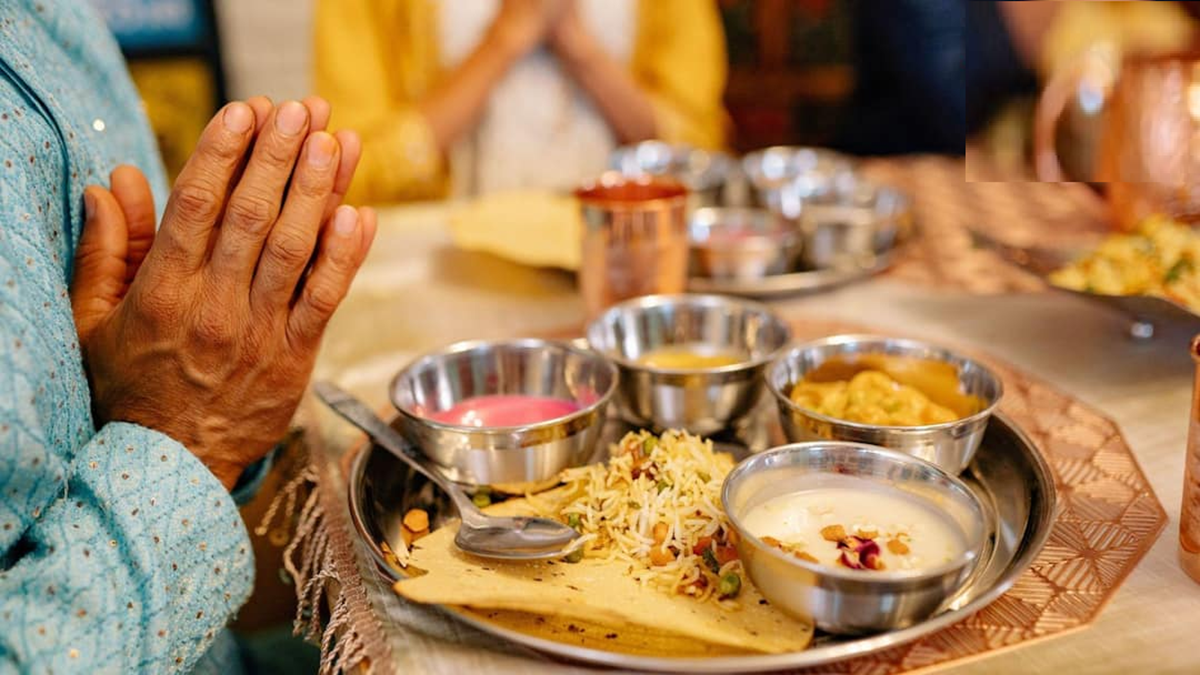
The bond fails when food becomes a source of stress rather than safety or happiness and we treat food and nutrition as a math problem. If a child associates the table with lectures, pressure or their parents anxiety they develop a negative association with eating. Also it is very important to keep the dining table area a screen free zone. No calls and commitments, it should be the presence with food and the child.
Let us aim to make that dining table a stress free zone where the priority is connection not perfection. A child who will eat a simple meal with a smile will do much better than a child who eats a super food salad while crying. The goal is not to fill their bellies today, it is to fuel their hearts for a lifetime.
Authour- Karishma