Monsoon Safari in India: While many travellers associate the rainy season with lush green landscapes and misty mountains, it is also one of the best times to witness nature in its most vibrant form. Several wildlife destinations across India transform into breathtaking green havens during the monsoon, offering unforgettable experiences through boat rides, rainforest trails, flower-filled valleys, and unique wildlife sightings. If you're looking for an offbeat travel experience this rainy season, these monsoon-friendly destinations deserve a place on your itinerary.
The arrival of the southwest monsoon breathes new life into India's forests, rivers, waterfalls, and grasslands. Fresh vegetation, overflowing lakes, and cooler temperatures create ideal conditions for nature enthusiasts, photographers, and adventure lovers. Although some tiger reserves temporarily close during heavy rains for conservation and visitor safety, several national parks and eco-tourism destinations remain open, providing visitors with an entirely different perspective of India's incredible biodiversity.
Here are some of the most rewarding monsoon wildlife destinations to explore across the country.
Sundarbans, West Bengal – A Unique Mangrove Wilderness
The Sundarbans offers one of India's most distinctive wildlife experiences during the rainy season. Spread across an extensive network of mangrove forests and tidal waterways, this UNESCO-listed biosphere reserve becomes even more enchanting when the monsoon enhances its natural beauty.
Boat safaris remain the primary way to explore the region, allowing visitors to navigate narrow creeks surrounded by dense mangrove vegetation. The area is globally known as the habitat of the Royal Bengal Tiger, although sightings require patience and a bit of luck.
Apart from tigers, travellers may encounter estuarine crocodiles, spotted deer, fishing cats, monitor lizards, mudskippers, and a wide variety of migratory and resident bird species. The peaceful surroundings and untouched ecosystem make the Sundarbans an unforgettable monsoon destination.
Valley of Flowers National Park, Uttarakhand – A Carpet of Himalayan Blooms
Located high in the Himalayas, the Valley of Flowers National Park reaches its peak beauty between July and September. During these months, the valley transforms into a colourful meadow filled with more than 500 species of alpine flowers.
Blue poppies, primulas, cobra lilies, anemones, orchids, and several rare Himalayan plants cover the landscape, creating one of India's most spectacular natural sights.
Recognized as a UNESCO World Heritage Site, the park also supports wildlife such as the Himalayan black bear, musk deer, blue sheep, Himalayan monal, and the elusive snow leopard.
With waterfalls flowing at full strength, mist-covered mountains, and blooming meadows stretching across the valley, the destination becomes a paradise for trekkers, photographers, and nature lovers.
Periyar National Park, Kerala – Wildlife Around a Scenic Lake
Nestled in the Western Ghats, Periyar National Park becomes exceptionally picturesque during the monsoon. Continuous rainfall transforms the forests into dense green landscapes while Periyar Lake fills to its scenic best.
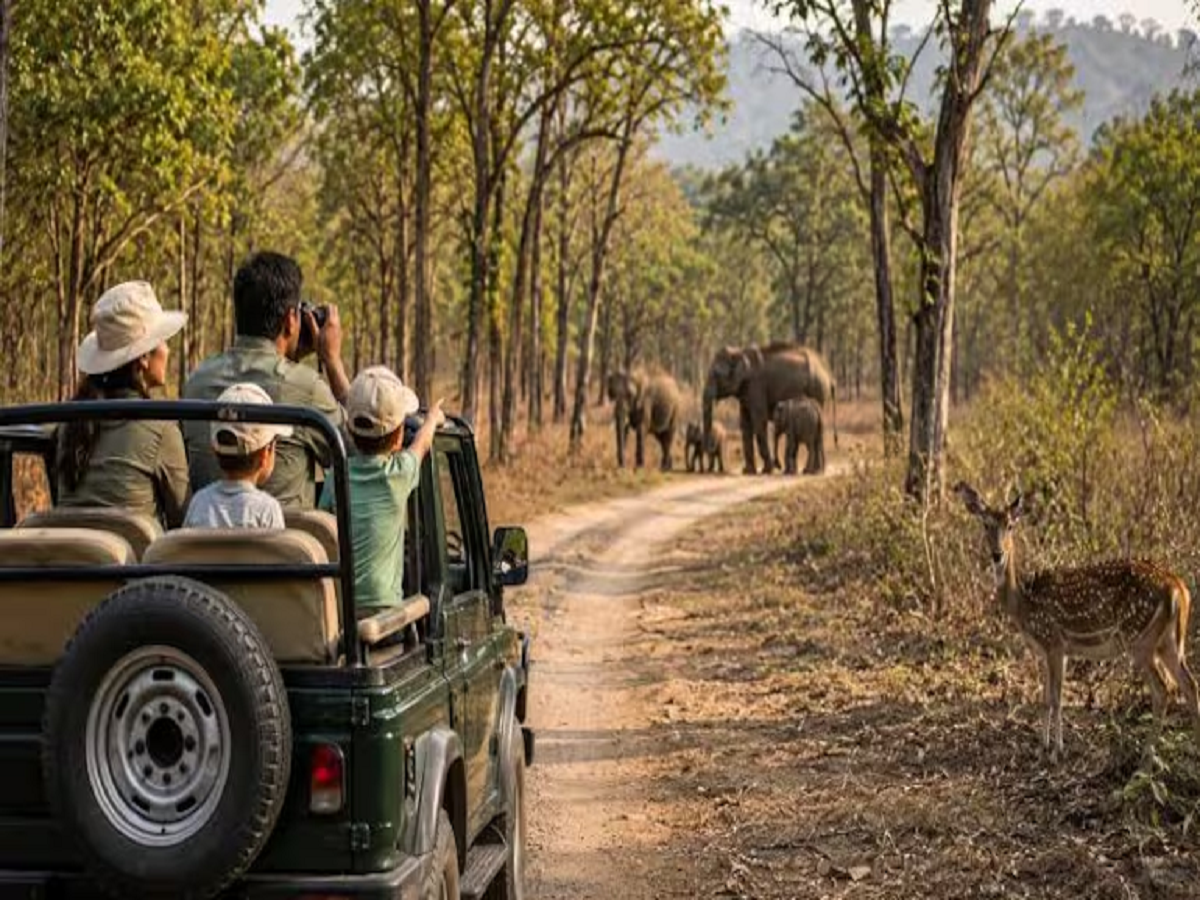
The park is especially famous for its boat safaris, where visitors often spot herds of elephants gathering near the lakeshore. Other commonly seen wildlife includes gaur, sambar deer, wild boar, otters, and numerous bird species.
Adventure seekers can also participate in bamboo rafting, guided nature walks, forest trekking, and eco-tourism programmes that provide a closer look at the park's rich biodiversity.
The calm atmosphere created by rain-soaked forests and misty hills makes Periyar one of southern India's finest monsoon escapes.
Bandhavgarh National Park, Madhya Pradesh – Famous Tiger Territory
Bandhavgarh National Park is widely regarded as one of India's premier tiger reserves. Although tourism zones generally remain closed during the peak monsoon period to support wildlife conservation and habitat regeneration, the landscape becomes remarkably beautiful after the rains.
The reserve features dense sal forests, bamboo groves, open grasslands, and the historic Bandhavgarh Fort overlooking the surrounding wilderness.
Besides Bengal tigers, the park is home to leopards, sloth bears, jackals, chital, sambar deer, and numerous bird species.
Travellers planning a post-monsoon safari often find the forest refreshed, greener, and teeming with wildlife activity.
Agumbe Rainforest, Karnataka – India's Rainforest Wonderland
Often referred to as the "Cherrapunji of South India," Agumbe receives some of the highest rainfall in the country and showcases the incredible biodiversity of the Western Ghats.
The rainforest is internationally recognized for King Cobra conservation and scientific research. It also shelters lion-tailed macaques, Malabar giant squirrels, Malabar pit vipers, colourful amphibians, butterflies, and hundreds of bird species.
Monsoon transforms Agumbe into an emerald-green landscape featuring cascading waterfalls, cloud-covered hills, and thick rainforest trails.
The destination is particularly popular among wildlife photographers, birdwatchers, researchers, and trekking enthusiasts seeking an immersive rainforest experience.
Sanjay Gandhi National Park, Maharashtra – Nature Inside a Metropolitan City
Situated within Mumbai, Sanjay Gandhi National Park offers one of the most unusual wildlife experiences in India. During the monsoon, the park's forests, streams, and hills become lush green, creating a refreshing escape from city life.
The protected area supports leopards, spotted deer, sambar deer, rhesus macaques, butterflies, reptiles, and numerous bird species.
One of its major attractions is the ancient Kanheri Caves, a complex of Buddhist rock-cut monuments dating back nearly 2,000 years.
Visitors can enjoy nature trails, cycling routes, forest walks, and scenic viewpoints while experiencing remarkable biodiversity just a short distance from Mumbai's busy streets.
Why Monsoon Is a Great Season for Nature Lovers
Although some wildlife reserves restrict safari operations during heavy rainfall, monsoon offers a completely different way to experience India's natural heritage. Forests appear greener, rivers and waterfalls become more spectacular, and the cooler weather enhances trekking and outdoor exploration.
For photographers, birdwatchers, and eco-tourists, the season provides opportunities to capture landscapes rarely seen during the dry months.
Travel Tips Before Planning a Monsoon Safari
Before visiting any wildlife destination during the rainy season, travellers should keep a few essential precautions in mind:
- Check whether the park is open before planning your trip.
- Carry waterproof clothing, sturdy trekking shoes, and rain protection.
- Follow all instructions issued by forest authorities and guides.
- Avoid entering restricted wildlife areas during heavy rainfall.
- Book accommodations and safaris in advance where required.
- Respect wildlife by maintaining a safe distance and avoiding littering.
Experience India's Wild Side This Monsoon
Monsoon proves that wildlife tourism is not limited to the dry season. From the flower-covered Himalayan valleys and Kerala's tranquil lakes to the mangrove forests of the Sundarbans and Karnataka's ancient rainforests, India's natural landscapes become even more spectacular after the rains arrive.
Whether you're searching for wildlife, breathtaking scenery, birdwatching opportunities, or simply a peaceful retreat into nature, these destinations offer memorable experiences that showcase the country's extraordinary biodiversity in its freshest and most vibrant form.