LIFESTYLE
Bathroom Tile Cleaning: Are the corners of your bathroom tiles black? How to clean them without damaging them
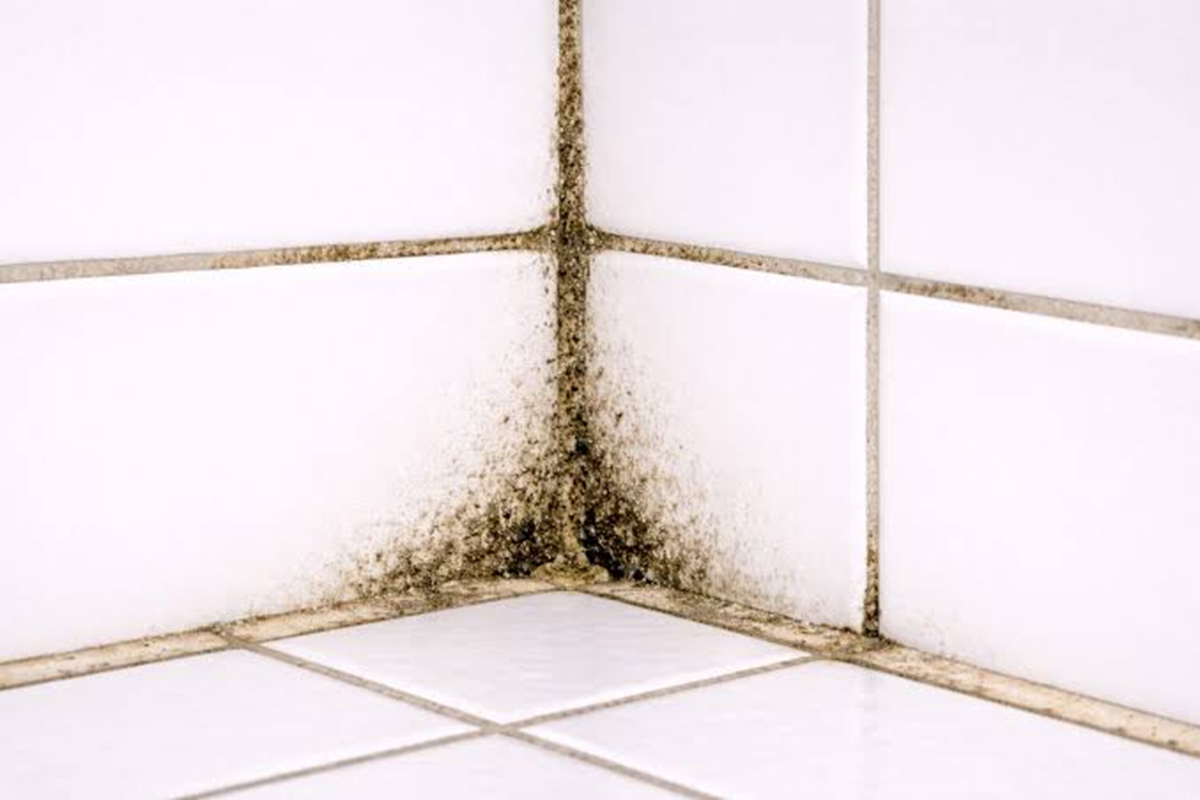
Black Stains: Water, soap, and other products are used daily in the bathroom. Dirt can quickly accumulate in corners, between grout, and in areas where water doesn't dry properly.
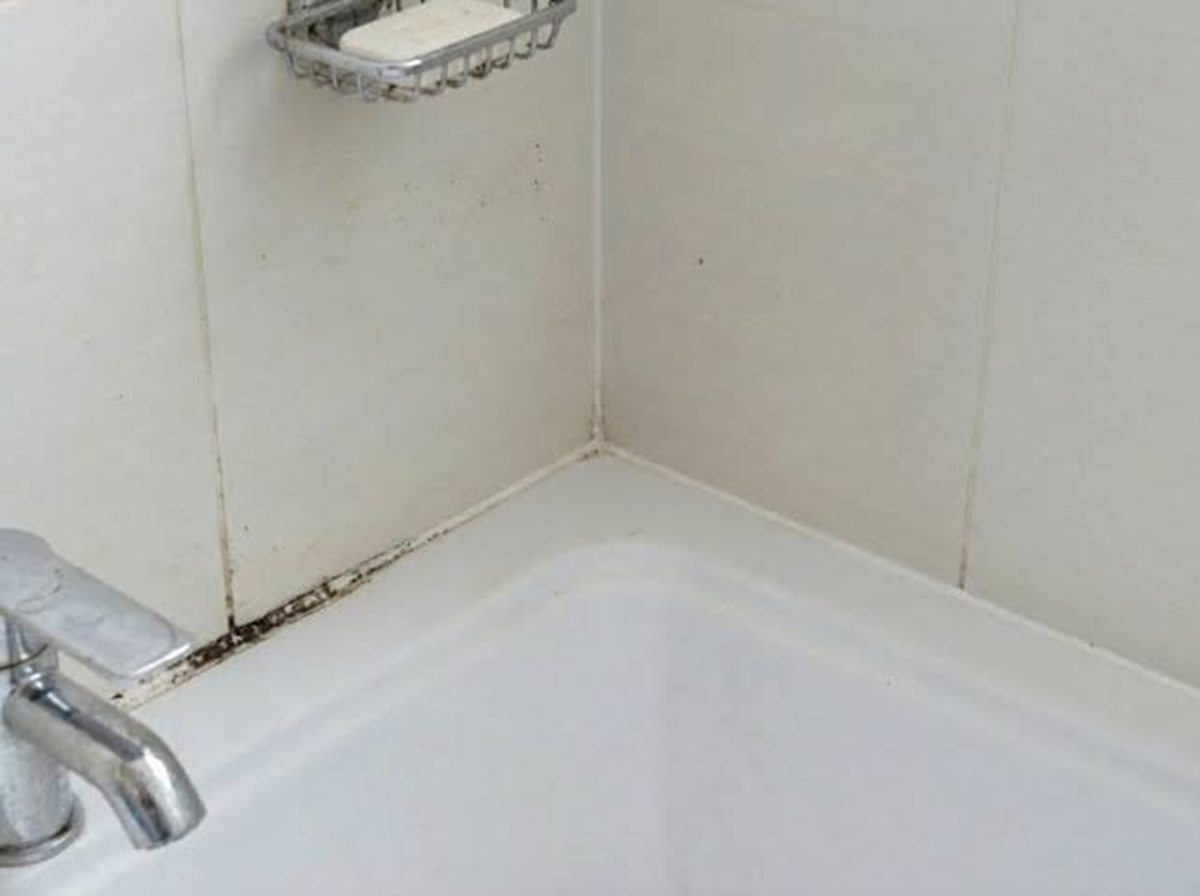
How to clean bathroom tiles
Remove Black Stains From Tiles: No matter how clean and shiny your bathroom tiles may appear, the black coating on corners and joints can ruin the overall look. People often resort to repeated chemical or excessive amounts of cleaner to remove them. However, this isn't always necessary. To properly clean, it's important to first assess the type of tile and why the black dirt is accumulating.
Bathrooms are filled with water, soap, and other products every day. Dirt builds up quickly in corners, between grout, and in areas where water doesn't dry properly. This is why corners often appear dark and dirty even after the entire tile has been cleaned.
Why do tile corners turn black?
Dirt on tiles isn't just caused by dust. Hard water, soap scum, oil, and dust also gradually accumulate on tiles. Using too much cleaner can leave some of it behind. If the tile is slightly rough or designed, dirt can easily get trapped in its small areas. Grout joints are also a major source of dirt accumulation. Water and soap often reach these areas, and these areas often receive less attention during cleaning. This is why, even when the floor or wall tiles appear clean, a black layer can still appear in the joints and corners.
But it's not always the case that a blackened area is caused by dirt. Excessive scrubbing or using the wrong chemicals can also damage the tile's shine. This damaged finish can't be restored simply by cleaning.
Daily cleaning and deep cleaning are different.
To clean bathroom tiles daily, first remove dust and any remaining dirt. Then, use the appropriate cleaner for the tile and clean with a damp mop or soft cloth. Try not to let any dirty water dry on the tiles after cleaning. If water dries on the tiles, the dirt can re-accumulate. This creates a thin film on the tiles, and after some time, the tiles begin to look dirty again.
If regular mopping doesn't remove the black deposits in corners, you may need to use a little more cleaning. Instead of cleaning the entire bathroom at once, work in small areas. Apply the cleaner according to the instructions on the package, and gently scrub with a soft brush if necessary. Keep in mind that applying too much cleaner or leaving it on the tiles for too long won't necessarily result in a more effective cleaning. This can even damage the tiles.
Clean according to the tile
It's not advisable to use the same cleaner for every tile. Bathrooms can have different types of tiles, such as ceramic, vitrified, porcelain, and natural stone. Therefore, before starting the cleaning, determine the type of tile in your bathroom. When cleaning ceramic, vitrified, and porcelain tiles, first remove dust and dirt. Then, use the appropriate cleaner for that particular tile. If the tile has designs or raised areas, dirt can get trapped there. These areas can be cleaned gently with a soft or non-metallic brush.
If your bathroom is lined with marble or other natural stone, be extra careful. Using a strong acidic cleaner on marble tiles can damage its shine. For such tiles, it's best to use a neutral cleaner that's made with natural stone.
When to use an acid cleaner on dark corners?
Hard water stains often accumulate in the bathroom, along with soap. Certain acidic tile or bathroom cleaners can be useful for removing these stains. However, they shouldn't be used on all types of tile. Avoid using these cleaners if the tile is marble, limestone, or any stone that could be damaged by acid. If you're unfamiliar with tile, try applying a small amount of cleaner to an inconspicuous area first.
Most importantly, never mix different cleaning chemicals. If you've already used a cleaner or bleach, don't immediately add another chemical to it.
How to clean your taps and shower
Hard water can also cause a white or dirty layer to form around bathroom corners, taps, and showers. However, a tile cleaner isn't necessarily the right fit for every fitting. For taps, showers, and CP fittings, use a cleaner specifically designed for that particular product. This will reduce the risk of damaging the fixture's shine.
What if the cement or grout on the tile has set?
Sometimes, bathroom tiles are covered in black dirt, not cement or grout left behind from work. This coating isn't easily removed with standard cleaners. Acid-based cleaners are used on some tiles to remove the cement-based grout or adhesive. Epoxy grout, on the other hand, requires a different type of cleaner. Therefore, it's important to first understand the cause of the buildup. Avoid forcefully scraping the tile with a knife or other metal object. This can scratch the tile and damage its shine.
Avoid these mistakes when cleaning tiles.
When cleaning bathroom tiles, avoid mixing multiple chemicals. Avoid using acidic cleaners on tiles like marble. Avoid scrubbing shiny or glazed tiles with steel wool. Don't let the cleaner dry on the tiles. Also, before using any cleaner, make sure it's suitable for your tile.