LIFESTYLE
Aspirin Cancer Prevention: Can aspirin reduce the risk of cancer? Learn the reason behind it.

Can Aspirin Reduce Cancer Risk? Recent research suggests that aspirin is not just about pain relief. In some cases, it may also play a role in reducing cancer risk.
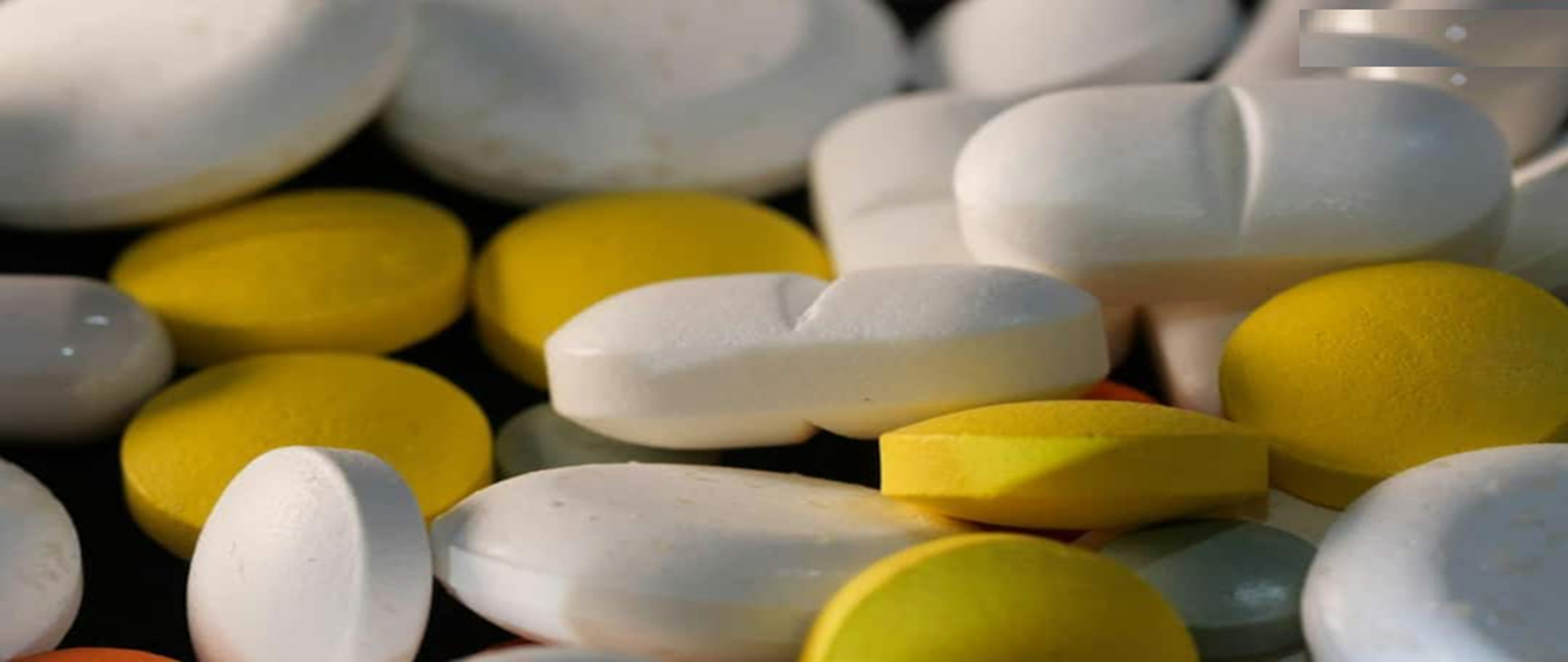
Does taking aspirin daily reduce the risk of cancer?
Can Daily Aspirin Prevent Cancer Risk ? This question may sound strange, but recent research suggests that aspirin is more than just pain reliever. In some cases, it may also play a role in reducing cancer risk. Let's explain what the research found.
What came out in the research
The most important research in this direction was led by John Burns, who conducted a large clinical trial of patients with Lynch syndrome, a genetic condition that puts people at a significantly higher risk of colorectal cancer. This study found that those who took aspirin daily reduced their risk of cancer by almost half. This trial, which lasted nearly 10 years, used a dose of 600 mg of aspirin, and the results were so strong that health guidelines were changed in many countries. Subsequent studies using lower doses, 75 to 100 mg, provided initial indications that lower doses may be equally effective.
Trial done on patients
Similarly, another large randomized controlled trial involving 2,980 patients, led by Anna Martling at the Karolinska Institute in Sweden, found that those who took aspirin daily after surgery reduced their risk of cancer recurrence by more than half. This study, published in 2025, led to changes in medical practice.
How aspirin works
Now the question arises: how does aspirin do this? According to a BBC report, oncology expert Ruth Langley of University College London says the drug affects processes in the body that are linked to the spread of cancer cells. Research from Cambridge University suggests that aspirin may reduce factors involved in blood clotting, exposing cancer cells to the immune system, allowing the body to recognize and destroy them.
What you should pay attention to
However, it's important to understand that aspirin isn't a magic cure. It can have side effects, such as stomach irritation, ulcers, or internal bleeding, so taking it without a doctor's advice can be dangerous. Research does show that aspirin may help reduce cancer risk, but it doesn't have the same effect on everyone. Therefore, it's best to consult a specialist before using it.