Winter is about to begin, and if you're considering buying a hot water geyser, there are many different options available in the market. Find out which one is best for your home.
Are you planning to buy a geyser for your home?
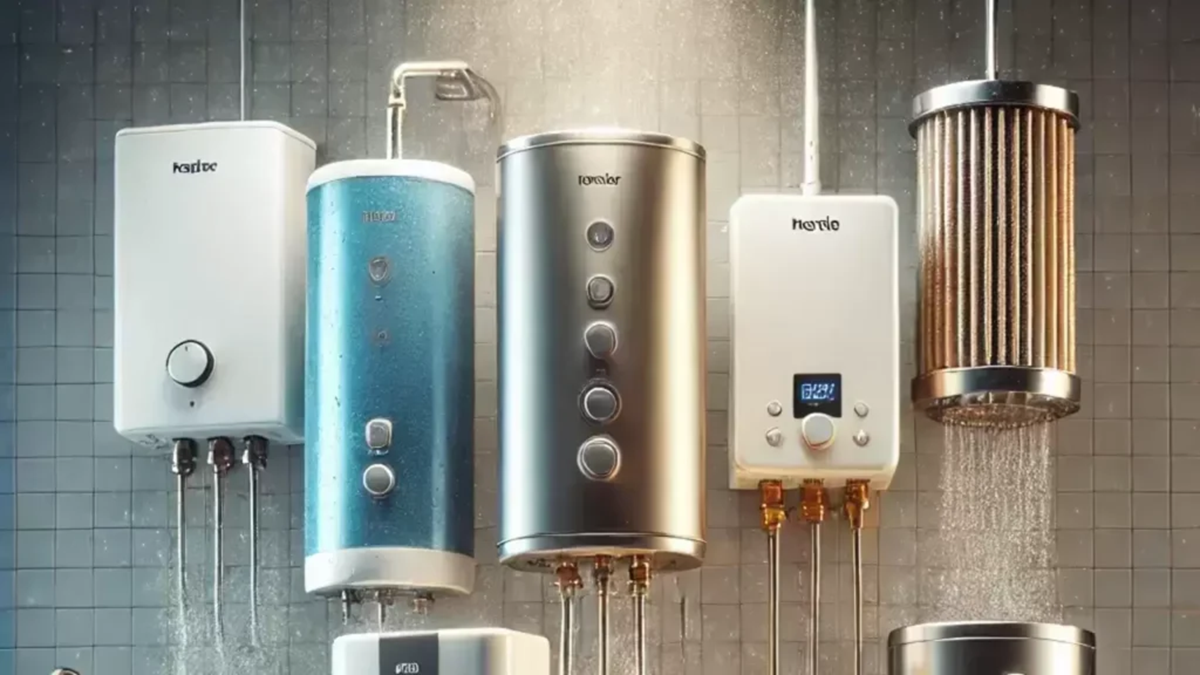
With the arrival of winter, the need for hot water in homes increases. If you're planning to buy a new geyser, you'll find many options available in the market. These days, the market offers a wide variety of geysers, from small bathrooms to large families. These include instant geysers, storage geysers, gas geysers, and energy-efficient models.
However, price alone isn't enough to choose the right geyser. Before selecting a geyser, you should also carefully consider its capacity, power consumption, safety features, and usage needs. Let's find out which geyser will be best for you.
Storage geyser can be the best.
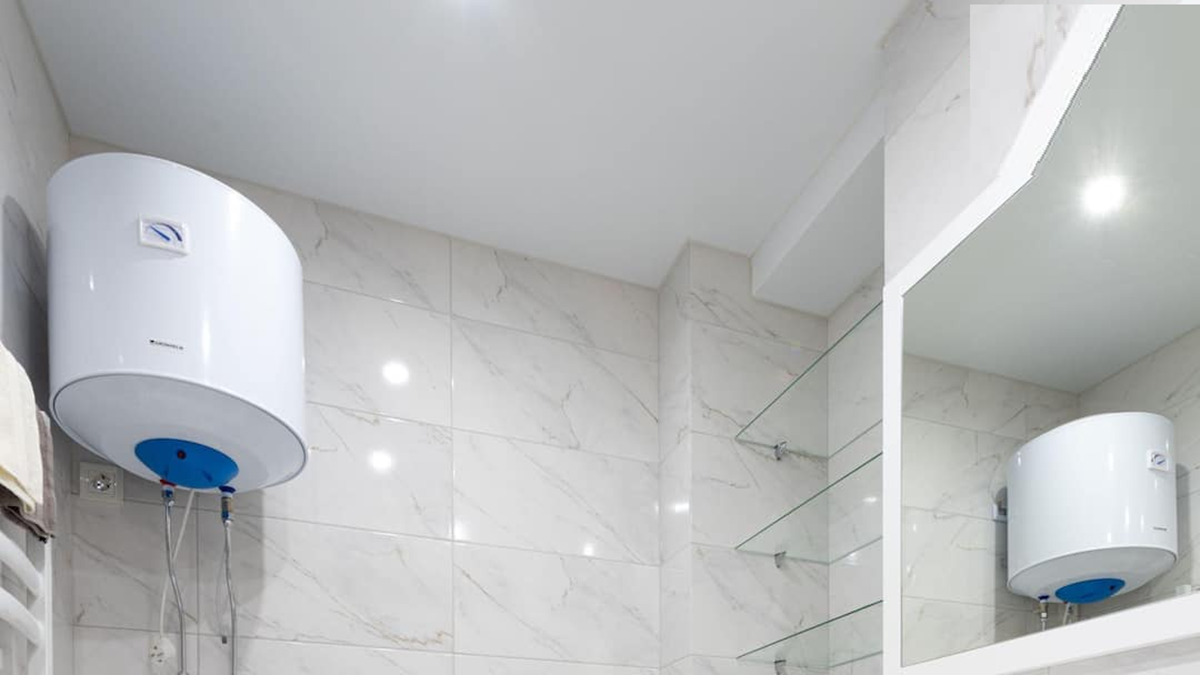
Storage geysers are very popular in Indian homes. They have a water heating tank, which stores hot water for a short period of time. They are typically available in capacities of 10, 15, 25 liters, or more. If you have several people in your household and everyone needs hot water for bathing, a 15- to 25-liter geyser may be right for you. If you have a small family, a 10- to 15-liter model may be better for you. The specialty of storage geysers is that once the water is heated, it can be used whenever needed.
An instant geyser is also beneficial.
If you have limited space in your home or only need hot water for washing hands, cleaning dishes, or for a short period of time, an instant geyser may be a good option. Instead of storing water, it heats it as needed. These are typically available in small models with a capacity of 1 to 3 liters. Some models also come with larger capacities and higher power. These are smaller in size and take less time to heat water.
A gas geyser can be a better option.
Gas geysers heat water using LPG or piped natural gas (PNG). They heat water quickly and eliminate the need for electrical heating. If you have gas in your home, this can be a great option. However, safety is paramount in its installation. Gas geysers should not be installed in closed or unventilated bathrooms, as this poses the risk of inhaling toxic gases like carbon monoxide.
Solar geyser saves electricity.
If your rooftop space is sufficient and sunlight is available, a solar water heater may be a good option. It uses solar energy to heat water, reducing electricity consumption. However, it has a higher initial cost and may require backup heating on cloudy days.
Keep these things in mind while buying a geyser.
It's always best to choose a geyser based on your family size and bathing habits. When purchasing a geyser, consider not only its price but also its safety features. Before purchasing a geyser, look for features like the ISI mark, thermal cut-off, and pressure release valve. When purchasing, consider the geyser's price, along with installation costs, electricity consumption, and service availability.