LIFESTYLE
Anaemia in Women: A major threat to women in India, 56% suffer from anemia; survey reveals
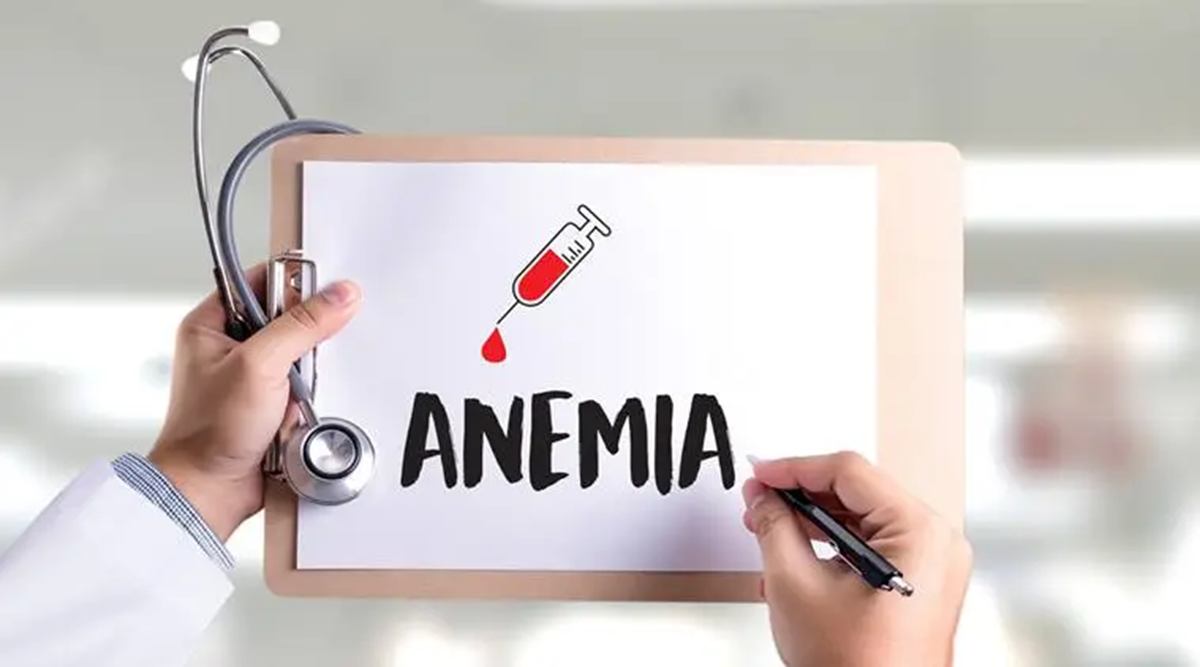
ICMR Survey: The ICMR report also released data on girls aged 10 to 19. Over 46 percent of girls in this age group in the country have been found to be anaemic.
Reports of anaemia in women
Anemia in Indian Women Data: Anaemia, or blood deficiency, among women in India remains a matter of concern. According to a new report from the Indian Council of Medical Research (ICMR), more than half of women aged 20 to 59 in the country suffer from anemia. In Chhattisgarh, West Bengal, and Punjab, more than 70 percent of women have anemia.
The ICMR's "Population Health, Activity, Diet, and Physiological Statistics Assessment Survey," conducted between 2023 and 2025, has revealed data on anemia and malnutrition across the country. This survey explored the health and dietary status of people of different age groups.
According to the report, more than 48 percent of women aged 20 to 59 in Karnataka are anemic. This figure is nearly 50 percent for women aged 15 to 49, or the reproductive age group. However, these figures are lower than the national average. Across the country, approximately 55 percent of women aged 20 to 59 and 56 percent of women aged 15 to 49 are affected by anemia.
Kerala tops in South India.
Among the five states in South India, Kerala fared the best. Nearly 28% of women aged 20 to 59 and 29% of women aged 15 to 49 were found to be anemic. Andhra Pradesh, on the other hand, had the worst situation, with over 68% of women in both age groups suffering from anemia. In Telangana, 51% of women aged 20 to 59 and 54% of women aged 15 to 49 were found to be anemic. In Tamil Nadu, the figures were 51.4% and 53%, respectively. In North and Central India, Madhya Pradesh performed better, with nearly 40% of women suffering from anemia.
The anemia situation is worrying.
The ICMR report also released data on girls aged 10 to 19. Over 46 percent of girls in this age group across the country have been found to be anemic. Chhattisgarh had the highest rate of anemia at 65.4 percent. This was followed by Gujarat (61.4 percent), West Bengal (60.4 percent), Bihar (57.6 percent), Andhra Pradesh (51.9 percent), and Rajasthan (50.2 percent).
The severity of anemia is also divided into three levels.
A report prepared by the ICMR's National Institute of Nutrition in Hyderabad categorizes anemia into three categories: mild, moderate, and severe. According to the report, about half of women with anemia have mild anemia. The Ministry of Health stated that about half of women with anemia, pregnant and breastfeeding women, adolescent girls, and children have mild anemia. Such cases pose a lower risk of serious health problems than moderate or severe anemia.
Iron deficiency is also a major reason.
The ICMR report also identified iron deficiency as a major cause of anemia. Iron deficiency contributes to nearly half of anemia cases among women, adolescents, and children. This deficiency is particularly prevalent among children under five years of age, girls, and women of reproductive age.