Air Purifier Technology: Amidst rising pollution, everyone is buying air purifiers for their homes. But do you know how this sealed container cleans the toxic air in a room? Learn about its technology.
How an air purifier works
Air Purifier Technology: On Diwali night, there was a lot of fireworks across the country, making the already polluted air in many cities even worse. These days, the air outside is already polluted, but let me tell you, indoor air can be just as toxic. This is why air purifiers are essential for every home these days. But have you ever wondered how that small box in the corner captures those fine particles in the air?
These are invisible to our eyes. Many people assume they contain a chemical or liquid that cleans the air. Let us explain the technology within air purifiers that makes the air in your room absolutely fresh.
Air is cleaned by fans and pre-filters
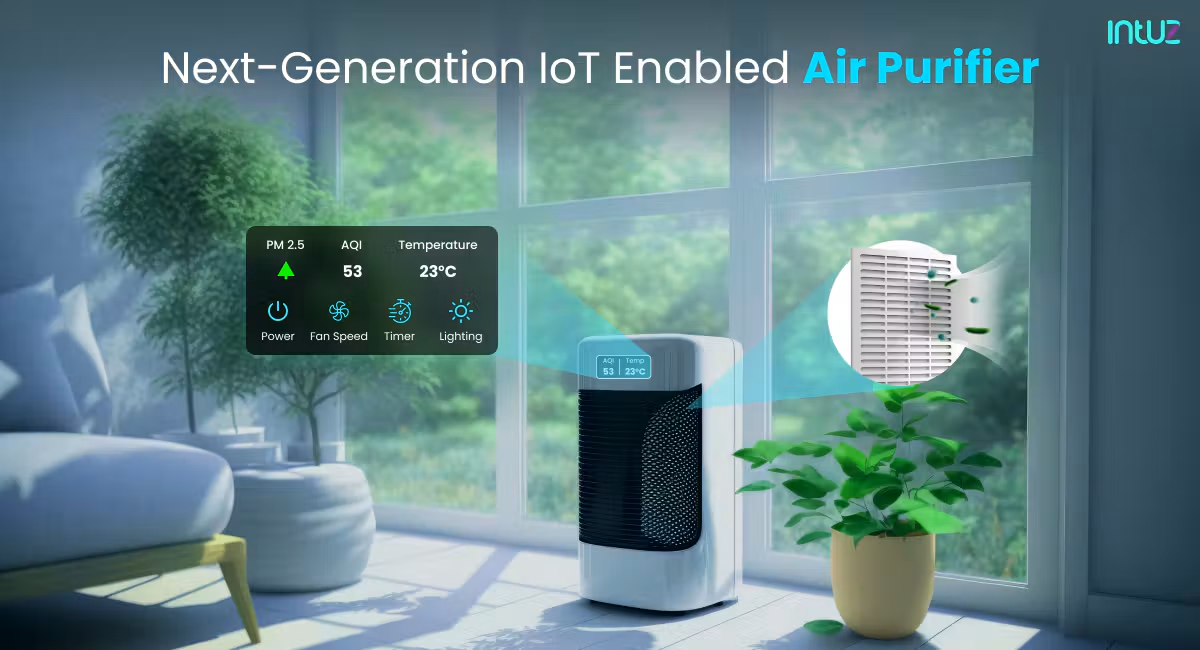
The way an air purifier works is quite simple. When you turn it on, a powerful fan inside draws dirty air from the room. As air enters the machine, it first encounters a pre-filter. You can think of it like a tea strainer. In our homes, coarse dust, clothing fibers, hair, and, if we have a dog or cat, their fur float in the air.
The pre-filter traps all these larger particles. Its biggest advantage is that the more expensive main filters inside the machine don't clog and damage as quickly. In most air purifiers, this pre-filter is a fine mesh that you can remove once or twice a month, wash it with normal water, or clean it with a brush, and then reinsert it.
HEPA filter: Removes PM 2.5 and fine particles
After passing through the pre-filter, the air reaches the most important part of the air purifier, the HEPA (High Efficiency Particulate Air Filter). This is the technology on which the entire air purifier's strength rests. This filter is made of a very fine and dense fiberglass mesh. When air passes through this mesh, extremely dangerous and tiny particles like PM 2.5 and PM 10 are trapped.
These particles are so small that they can reach our lungs and bloodstream directly through breathing. A genuine True-HEPA filter has the ability to remove up to 99.97% of airborne particles as small as 0.3 microns. In addition to dust, it also traps pollen, fungal spores, and various types of airborne bacteria, providing relief to asthma and allergy sufferers.
Activated carbon filter for odors, smoke and gases
Now the question arises: while dust and bacteria are blocked, what about the smell of tadka, cigarette smoke, or paint lingering in the kitchen? A HEPA filter doesn't block odors or gases, so an activated carbon filter is installed immediately after. This filter contains tiny charcoal grains with numerous microscopic pores.
As air passes through it, the carbon absorbs harmful gases, chemical fumes, and all sorts of unpleasant odors like a sponge. Modern air purifiers also include a UV-C light or ionizer to kill any remaining viruses and germs. After passing through these three or four stages, completely clean, fresh, and safe air is released back into your room from the top of the machine, and this cycle continues.