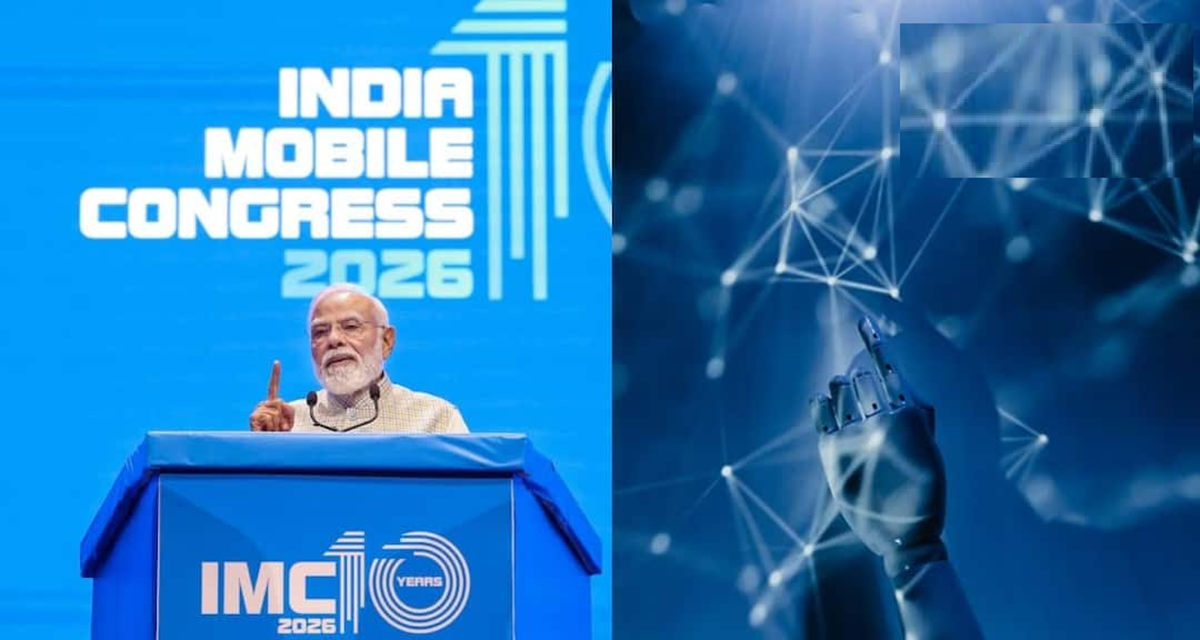
At IMC 2026, Jio, Torchit, and Qualcomm showcased technology that can help with translation, payments, and learning without even opening the phone screen. What will be special about the upcoming devices in India?
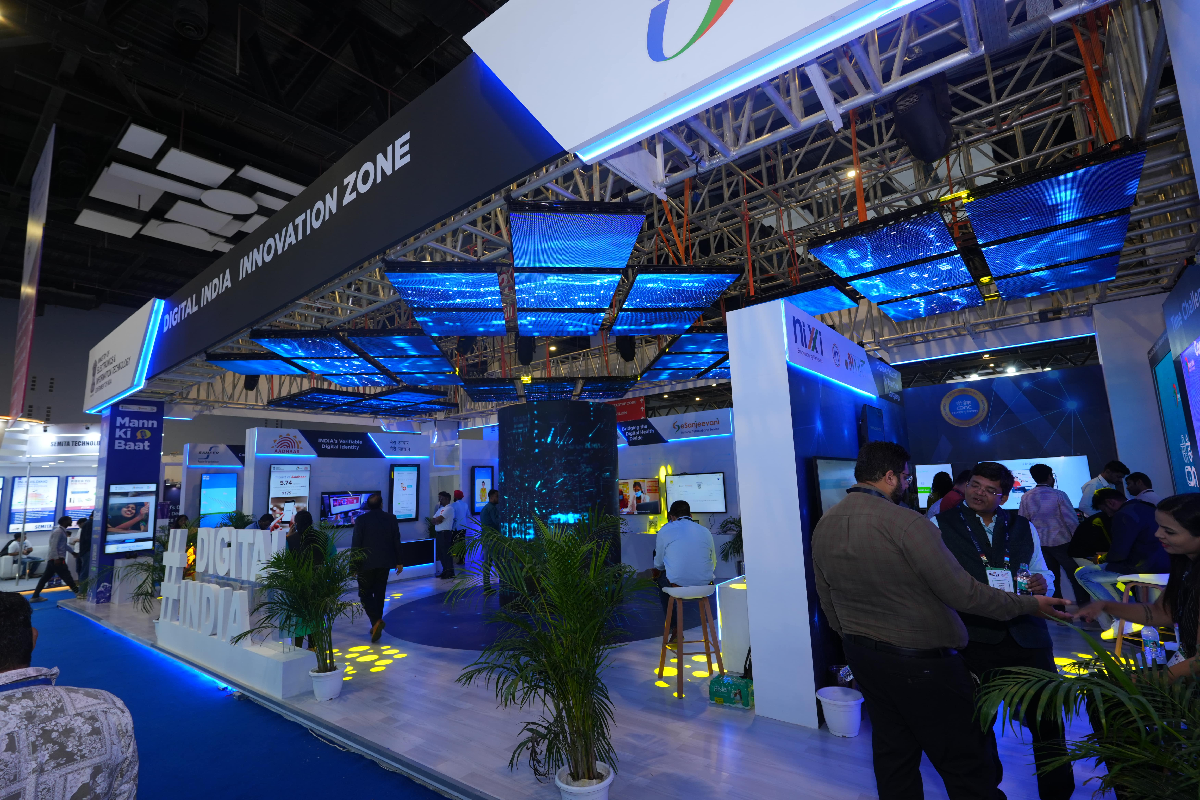
AI Wearable Devices in India IMC 2026
At the India Mobile Congress (IMC) 2026, Indian companies showcased technologies tailored to the country's needs. Reliance Jio is preparing to launch AI-powered wearable devices, while Torchit has developed smart glasses to help the visually impaired. Companies like Qualcomm are also exploring the potential for these devices to be used for payments, education, and everyday tasks.
Jio's AI device will offer a host of features.
Reliance Intelligence's wearables team is developing devices that will allow users to access AI features through voice. The company plans to launch these in India by November or December 2026. These could include features like live translation, taking notes of meetings or conversations, scanning payments, listening to music, and live cricket commentary.
Users will be able to activate the Assistant by saying "Hello, Jio." These devices currently support eight languages, including Hindi, English, Marathi, Gujarati, Bengali, Telugu, Tamil, and Malayalam. The company plans to add four more languages, though pricing for these hasn't been disclosed yet.
Torchit smart glasses for the visually impaired
Ahmedabad-based company Torchit has developed Jyoti smart glasses for the visually impaired. They feature six modes: Explore, Read, Medicine, Colour, Currency, and Food and Grocery. Using a camera, these glasses can provide information about objects in front of them and help identify written text, medicines, colours, and money. According to the company, the new model, introduced in July 2026, is wireless. Torchit products have reached over 40,000 people in India. They cost around ₹20,000 to ₹25,000.
Smart glasses will also be useful for payments and studies.
Qualcomm, in collaboration with Lenskart and the NPCI, demonstrated technology for glasses payments, which can be verified using voice or fingerprint. The company sees potential for such devices in education, work, and navigation.
A strong digital network is also necessary for AI.
At IMC 2026, Japan highlighted the need for increased cooperation with India on facilities such as data centers, fiber networks, and undersea internet cables. Running AI services requires not only chips, but also fast and reliable networks, power, and data centers. Therefore, along with the development of AI technology, it will also be necessary to develop a robust digital infrastructure.