LIFESTYLE
After how many days should the dishwashing broom be replaced? Know what diseases it can cause?
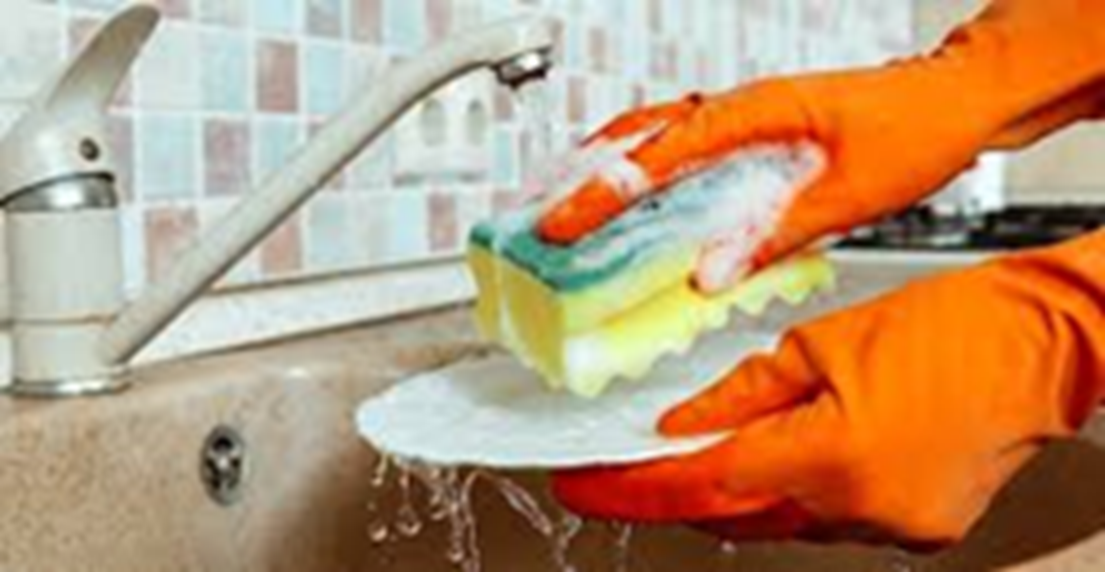
People often use the same swab or sponge for months, without realizing how dangerous this habit can be for their health. A seemingly small sponge can actually become a breeding ground for bacteria.
Kitchen Health Tips
We're all very conscious about the cleanliness of our homes, especially in the kitchen, where meals are prepared daily, and the entire family depends on it. We use sponges or brooms everywhere, from cleaning utensils to cleaning the kitchen stove, gas stove, and spice containers. But have you ever considered what would happen if the very thing that cleans utensils itself becomes dirty? People often use the same broom or sponge for months, without realizing how dangerous this habit can be for their health. A seemingly small sponge can actually become a breeding ground for bacteria and unknowingly invite many diseases. So, let's find out how often a dishwashing broom should be replaced and what diseases it can cause.
Why does the dishwashing scrubber become a breeding ground for bacteria?
Dishwashing sponges or scrub brushes remain wet most of the time. Being used 2-3 times a day, they don't get a chance to dry, trapping food particles in the tiny pores of the sponge. Moisture and dirt create the perfect environment for bacteria to thrive. Over time, dangerous germs multiply rapidly. This is why a dirty sponge can be more bacteria-rich than a toilet seat. Research has shown that old and dirty kitchen sponges can harbor dangerous bacteria like E. coli and Salmonella.
These bacteria can cause food poisoning, diarrhea and vomiting, severe stomach pain, and intestinal infections. When you use the same sponge to wash dishes, the bacteria can be transferred from the dishes to the food. If the sponge isn't replaced for a long time, it can develop mold, develop a strange and strong odor, and even make the dishes dirtier instead of cleaner.
After how many days should the dishwasher be replaced?
Experts recommend replacing your sponge or broom every 7 to 10 days. If you wash a lot of dishes every day, consider replacing them every 7 days. Even if you use it infrequently, don't keep it for more than 2 weeks. Even if an old sponge appears clean, it may still harbor bacteria, so don't rely solely on its appearance.
Diseases caused by dirty sponges
Using the same sponge for a long time can lead to food poisoning, stomach infections, gastrointestinal infections, skin allergies and rashes, and fungal infections. Bacteria can enter the body through the hands, making the entire family sick. If your kitchen sponges start to smell, change color, become torn, become too soft, or sticky, replace them immediately.
Easy ways to keep sponges clean
If you use a sponge daily, it's essential to disinfect it. Soak the sponge in warm water and vinegar for 5-10 minutes every 2-3 days. Microwave the wet sponge for 1 minute to kill bacteria. Wring out the sponge thoroughly and store it in a dry place. Silicone brushes and steel scrubbers are better options than sponges. These last longer and are easier to clean.