LIFESTYLE
AC Tips for Monsoon: If Your Room Feels Sticky and Humid, Use This Mode to Stay Comfortable
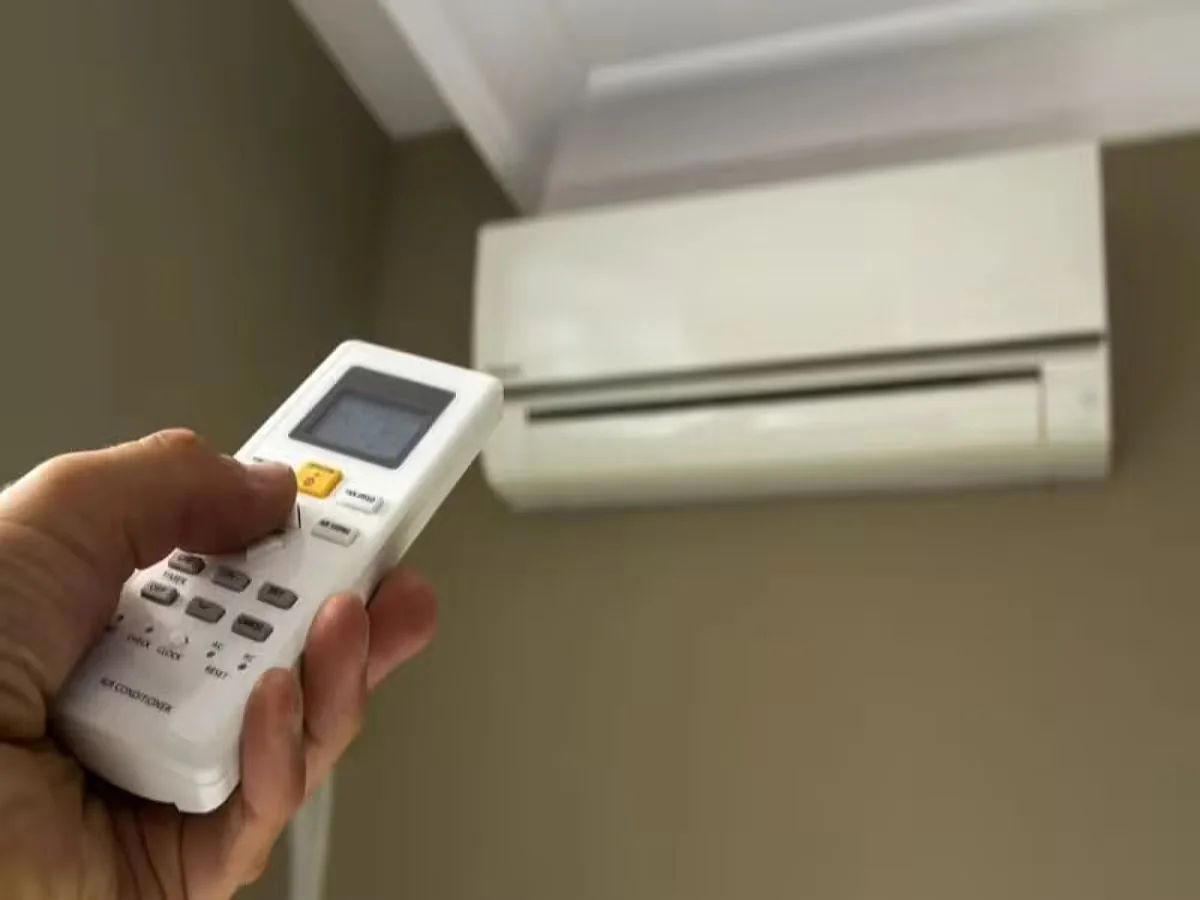
The arrival of pre-monsoon showers and rainy weather often brings relief from scorching summer temperatures. However, the drop in temperature is usually accompanied by a new problem—high humidity. Many people notice that their rooms feel damp, sticky, and uncomfortable even when the air conditioner is running.
The good news is that modern air conditioners are designed to do much more than simply cool a room. Most newer AC models include features that help remove excess moisture from the air, improve indoor air quality, and maintain comfort without significantly increasing electricity consumption.
If your home feels humid during the monsoon season, here are some effective ways to use your air conditioner and keep indoor spaces fresh and comfortable.
Use the AC's Dry Mode
One of the biggest challenges during the rainy season is excess moisture in the air. Fortunately, most modern air conditioners come with a dedicated Dry Mode designed specifically to tackle humidity.
Unlike standard cooling mode, Dry Mode focuses on removing moisture from the air rather than aggressively lowering the room temperature.
Benefits of Dry Mode
- Reduces humidity levels efficiently
- Eliminates the sticky feeling indoors
- Improves overall comfort
- Consumes less electricity compared to regular cooling mode
- Prevents excessive cooling
When humidity is high but temperatures are moderate, switching to Dry Mode can often provide a more comfortable environment than running the AC in Cool Mode continuously.
Improve Indoor Air Quality
During the monsoon season, people tend to keep doors and windows closed for longer periods. While this helps prevent rainwater from entering, it can also lead to poor indoor air circulation.
As a result, dust, allergens, and other pollutants may accumulate inside the house.
Choose ACs With Advanced Filtration
Modern air conditioners equipped with:
- Multi-stage filtration systems
- HEPA filters
- Anti-bacterial filters
- Air purification technology
can help remove:
- Dust particles
- Allergens
- Bacteria
- Airborne pollutants
This can significantly improve indoor air quality, especially during prolonged rainy spells.
Take Advantage of PM 1.0 Sensors
Many premium air conditioners now feature PM 1.0 sensors and built-in air quality indicators.
These smart technologies monitor indoor air conditions and provide real-time information about air quality levels.
Why It Helps
- Tracks airborne particle concentration
- Alerts users to deteriorating air quality
- Helps optimize cooling and purification settings
- Improves overall indoor comfort
Monitoring air quality becomes particularly important when homes remain closed for extended periods during continuous rainfall.
Don't Ignore Ventilation
Although air conditioners help control humidity, natural ventilation remains essential.
Whenever the weather permits, open windows and doors for a short period to allow fresh air to circulate throughout the house.
Additional Tips
- Use exhaust fans in kitchens.
- Run exhaust fans in bathrooms regularly.
- Remove trapped moisture from enclosed spaces.
- Improve air circulation inside the home.
Proper ventilation reduces humidity buildup and helps prevent stale indoor air.
Check for Dampness and Water Leakage
The monsoon season often exposes hidden leaks and moisture problems inside homes.
Homeowners should regularly inspect:
- Walls
- Windows
- Balconies
- Roofs
- Ceilings
Any signs of seepage, damp patches, or water leakage should be addressed immediately.
Why This Is Important
Persistent moisture can encourage the growth of:
- Mold
- Fungus
- Mildew
These not only damage property but can also trigger allergies and respiratory issues.
Service Your Air Conditioner Regularly
Humidity puts additional strain on air conditioning systems, making regular maintenance even more important during the rainy season.
Maintenance Checklist
- Clean AC filters regularly.
- Check drainage pipes for blockages.
- Inspect cooling coils.
- Ensure proper water discharge.
- Schedule professional servicing when required.
A well-maintained AC offers:
- Better cooling performance
- Improved humidity control
- Lower electricity consumption
- Longer equipment lifespan
Save Electricity While Staying Comfortable
Many homeowners assume that running an AC continuously is the only solution for humidity. However, using the correct settings can improve comfort while reducing power consumption.
Energy-Saving Tips
- Use Dry Mode instead of Cool Mode when humidity is high.
- Keep doors and windows closed while the AC is running.
- Clean filters regularly for efficient airflow.
- Set a moderate temperature between 24°C and 26°C.
- Use ceiling fans along with the AC to improve air circulation.
These simple practices can help maintain comfort without significantly increasing electricity bills.
The Bottom Line
Monsoon humidity can make indoor spaces feel sticky and uncomfortable, but modern air conditioners offer several features to address the problem. Using Dry Mode, maintaining good ventilation, improving indoor air quality, and servicing your AC regularly can dramatically improve comfort levels during the rainy season.
Instead of lowering the temperature excessively, focus on reducing moisture in the air. With the right AC settings and a few preventive measures, you can keep your home cool, fresh, and comfortable throughout the monsoon months.