NEWS
A new chapter in India's military might! The country's first solar-powered spy drone has arrived. Learn about its technology.
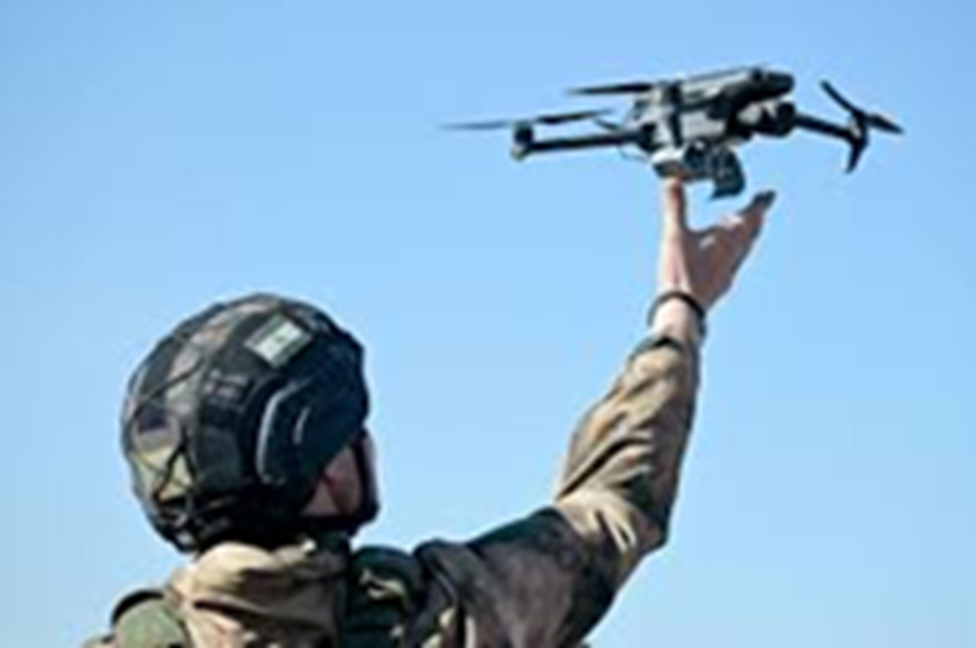
Solar Drone: India has taken another major step forward in the field of pilotless defense technology. The Indian Army is now inducting the country's first solar-powered reconnaissance drone into its fleet.
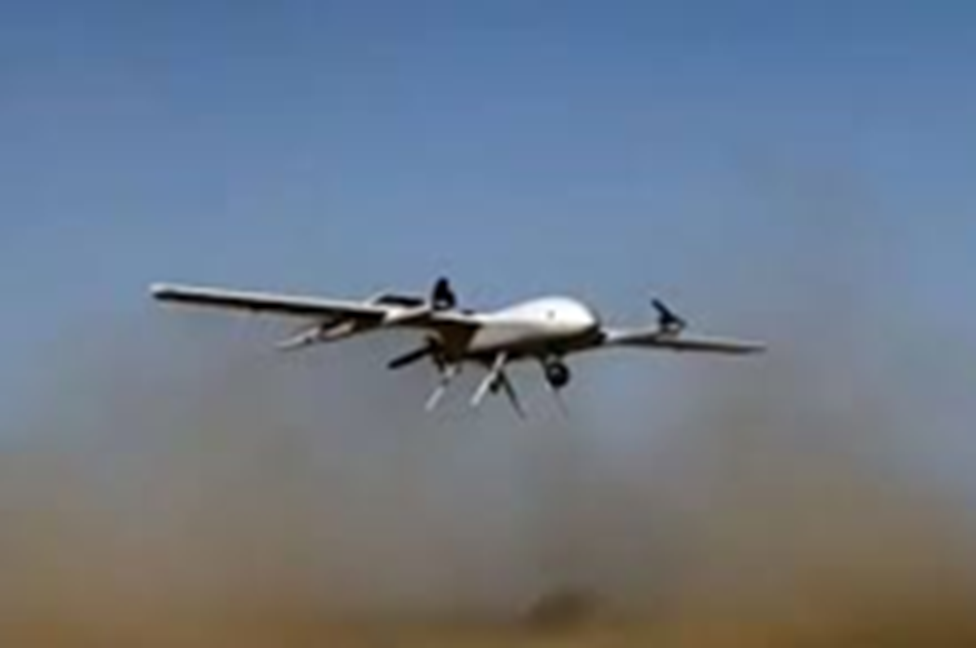
Solar-Powered Drone: India has taken another major step in the field of pilotless defense technology. The Indian Army is set to induct the country's first solar-powered reconnaissance drone into its fleet. The Army has signed a contract worth approximately ₹168 crore (approximately $1.68 billion). This advanced surveillance system was developed by Bengaluru-based company New Space Research and Technologies under the Ministry of Defense's iDEX innovation program.
What is the MAPSS system?
This drone system has been named the Medium Altitude Persistent Surveillance System (MAPSS). Uniquely, this drone is solar-powered, allowing it to remain airborne for several hours without stopping. Previously, the drones used by the military relied on batteries or fuel, limiting their flight duration. MAPSS significantly addresses this limitation.
Long and continuous monitoring of borders
The Army will use this solar drone for intelligence gathering, surveillance, and reconnaissance operations. Whether it's the high mountainous borders of the north or the desert regions of the west, MAPSS can monitor a single area for extended periods of time. This will enable uninterrupted monitoring of all border activities.
Less noise, less heat, more privacy
According to defense officials, this drone runs on electric power, making it quiet and generating little heat, making it difficult for the enemy to detect and track. Furthermore, it will also support communications in remote areas and identify targets during operations.
Successful tests have already been conducted.
MAPSS builds on New Space's existing high-altitude solar drone projects. The company has previously tested a platform that remained airborne for over 24 hours at altitudes exceeding 26,000 feet. These tests were conducted at the Aeronautical Test Range in Chitradurga. The MAPSS, designed for the Army, has been modified for medium altitudes and has also been tested in real operational areas.
Big plan to increase drone strength
This deal is part of the Army's broader strategy to rapidly expand its drone capabilities. Following Operation Sindoor, the Army has procured several unmanned systems, including loitering munitions and surveillance drones, with a total value estimated at over ₹5,000 crore. More approvals are expected in the coming days, while preparations are underway for a major drone procurement program in 2026.
Will fill the gap in the existing drone system
MAPSS is designed to work in conjunction with existing long-range drones. It will operate relatively close to the ground to monitor areas where continuous surveillance is essential. Its ability to remain stationary for extended periods of time gives commanders a clearer picture of the situation, without jeopardizing piloted aircraft.
The growing role of indigenous startups
This agreement also signals that Indian startups are now playing a significant role in the defense sector. Through programs like iDEX, the government is providing new companies with the opportunity to develop technologies tailored to the military's needs. This is a significant achievement for New Space, as the military has received state-of-the-art equipment based entirely on indigenous technology.
New preparations for future wars
Drones and unmanned systems are becoming increasingly important in modern warfare. By adopting solar-powered surveillance drones, India has clearly demonstrated its focus on long-range flight capability, low cost, and indigenous innovation. This technology will strengthen border security.