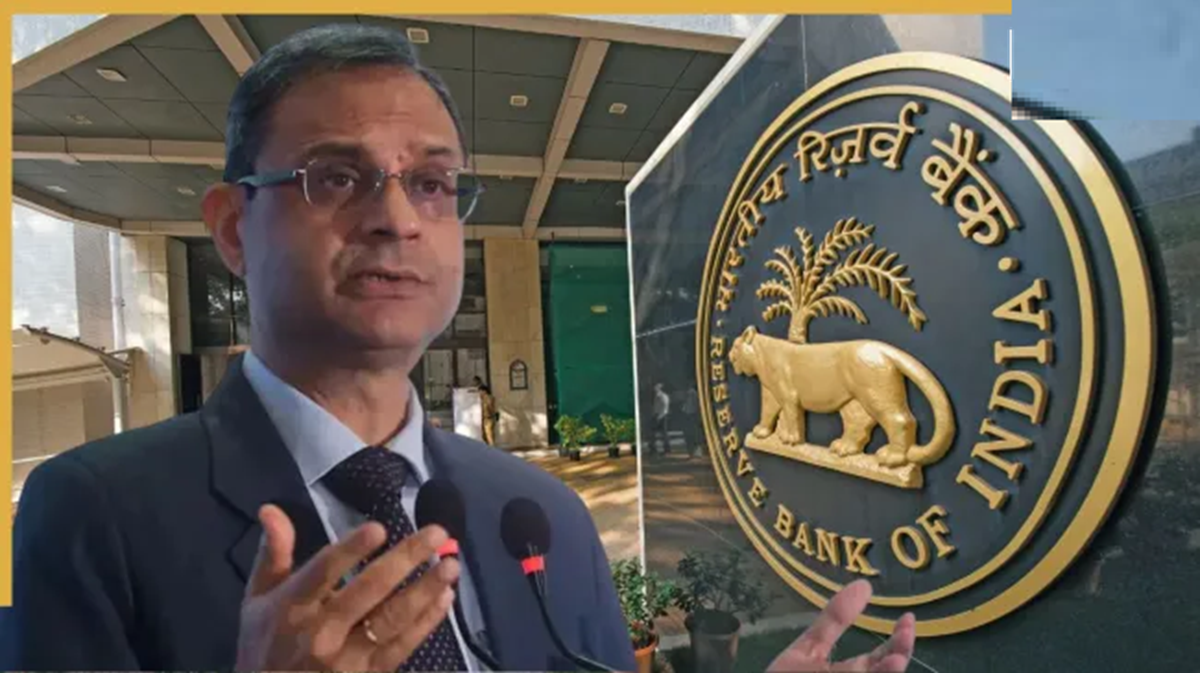
The Reserve Bank of India (RBI) is expected to raise the repo rate at its three-day Monetary Policy Committee (MPC) meeting this time. A 0.25% (25 basis points) increase is expected.
RBI MPC Meeting
The three-day meeting of the Reserve Bank of India's (RBI) Monetary Policy Committee (MPC) begins today, Monday. This time, there's a strong possibility of a 0.25% (25 basis points) increase in the repo rate. If this happens, it will rise from the current 5.25% to 5.50%. This will be the first time the RBI has raised interest rates since February 2023.
What are the challenges before RBI?
Rising crude oil prices - Due to tensions in West Asia, crude oil prices remain above $100 per barrel in the global market. This is expected to increase the price of petrol and diesel. If fuel becomes more expensive, transportation costs will also increase, leading to higher prices for everyday items.
Inflationary pressures – Inflationary pressures are already building. India's retail inflation (CPI) rose to 4.82% in August 2026, up from 4.45% in July. This is the third consecutive month that inflation has remained above the Reserve Bank of India's medium-term target of 4%. However, it remains within the RBI's tolerance band of 2% to 6%.
Global Central Banks' Stance - Several major central banks around the world have tightened their policies and raised interest rates to control inflation. This has increased pressure on the Reserve Bank of India to raise interest rates. Many economic experts predict that the RBI may raise the repo rate by 0.25% to 5.50% at the Monetary Policy Committee (MPC) meeting starting today to align with global markets and stem the falling rupee.
Why are interest rates raised when inflation rises?
When inflation rises, interest rates are raised to balance supply and demand in the market. When demand for a commodity is high, supply will also be low, leading to higher prices. This demand is controlled by raising interest rates.
When the RBI raises the repo rate, it becomes more expensive for commercial banks like SBI, HDFC, and ICICI to borrow from the Reserve Bank. Consequently, these banks also raise interest rates on home loans, car loans, and business loans, which increases EMI costs.
As loans become more expensive, people postpone purchases for a while. Companies also avoid taking out large loans to start new businesses. Furthermore, as the repo rate rises, the interest rates on fixed deposits (FDs) in banks also increase, so people focus more on savings rather than spending.
Now, as people borrow less and save more, the flow of money in the market will slow, and people will have less money in their hands, which will reduce demand. This reduced demand will gradually lead to lower prices, bringing inflation under control.