
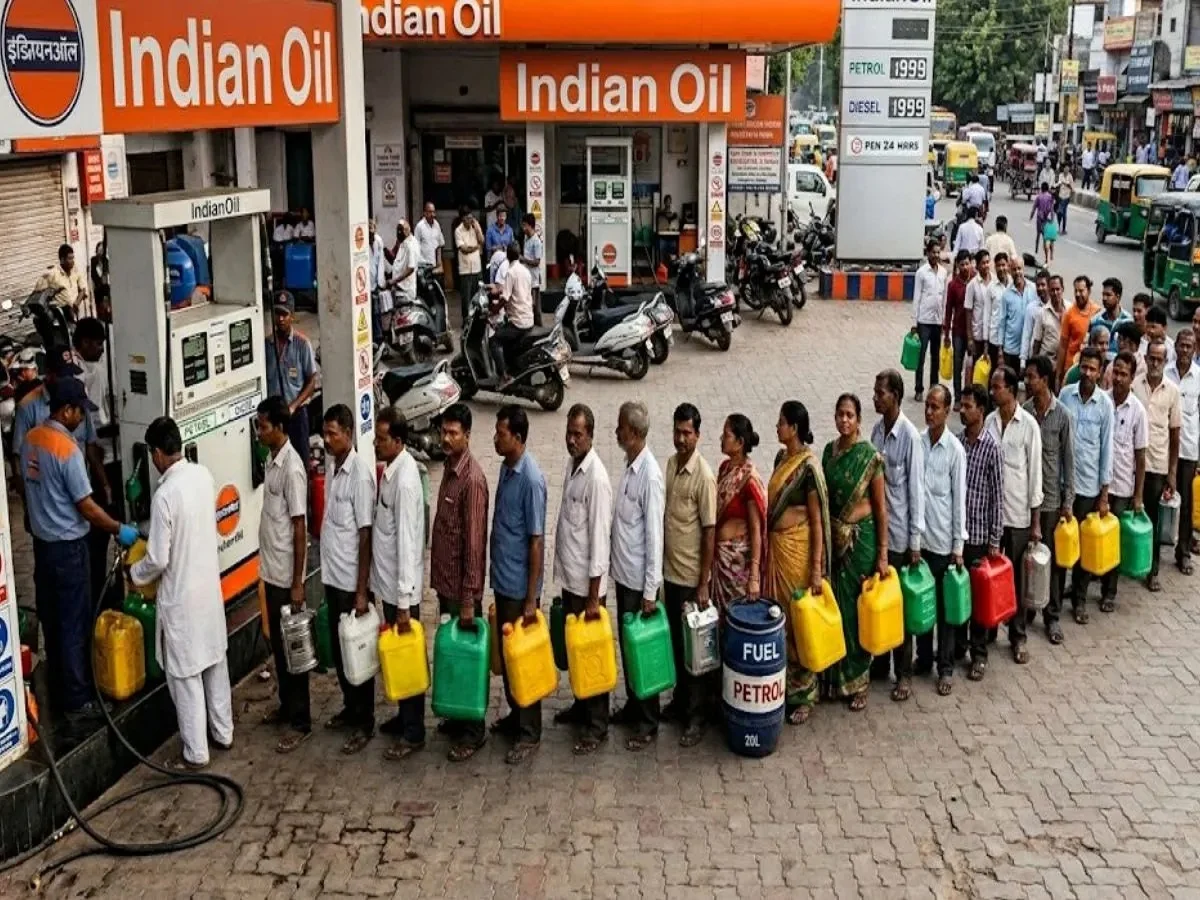
The government has introduced temporary restrictions on bulk diesel purchases to ensure adequate fuel availability for the general public and to maintain an orderly supply chain. The move comes amid concerns over global energy market volatility and aims to prevent excessive retail fuel purchases by large commercial consumers.
Under the revised guidelines, certain categories of bulk buyers must now procure diesel through authorized wholesale channels instead of purchasing large quantities from regular retail fuel stations. The restrictions are intended to improve fuel distribution and reduce pressure on petrol pumps serving everyday motorists.
Here's a detailed look at the latest rules and what they mean for consumers and businesses.
Bulk Buyers Must Purchase Fuel Through Authorized Wholesale Depots
One of the biggest changes under the new guidelines is that large commercial fuel consumers are required to buy diesel from authorized wholesale outlets.
This rule applies to organizations such as:
- Shopping malls
- Manufacturing units
- Construction companies
- Fleet operators
- Other businesses with high daily fuel requirements
Instead of purchasing large volumes from retail petrol pumps, these customers must use designated wholesale fuel depots.
Daily Limit Introduced for Retail Diesel Purchases
The government has also placed a cap on diesel purchases from retail fuel stations.
According to the new guidelines:
- A single vehicle will not be allowed to purchase more than 200 litres of diesel per day from retail petrol pumps.
The measure is designed to discourage bulk buying from outlets primarily meant to serve individual vehicle owners and regular commuters.
Fuel Can Be Dispensed Only Into Approved Tanks
The revised rules also tighten the process of diesel dispensing.
Retail fuel stations will now supply diesel only under approved conditions, including:
- Directly into a vehicle's fuel tank.
- Into officially approved fuel storage containers where permitted.
Unauthorized bulk filling into unapproved containers or for stockpiling purposes will not be allowed under the new regulations.
Rules Take Effect Immediately
The restrictions have come into force with immediate effect.
According to the announced guidelines, the measures are expected to remain in place for the next three months, unless revised or extended by the authorities.
Businesses affected by the changes are advised to make alternative fuel procurement arrangements through authorized wholesale suppliers.
Objective Is to Ensure Fuel Availability for Retail Customers
The primary purpose of these restrictions is to maintain an uninterrupted supply of diesel for ordinary consumers.
By limiting bulk purchases at retail petrol pumps, authorities aim to:
- Prevent fuel shortages.
- Ensure uninterrupted supply for private vehicle owners.
- Improve inventory management at retail outlets.
- Reduce the possibility of panic buying during periods of uncertainty.
The government hopes the measures will help stabilize fuel availability across the retail network.
Reducing Congestion at Fuel Stations
Officials also expect the restrictions to reduce congestion at petrol pumps.
Large commercial vehicles purchasing significant quantities of diesel often increase waiting times at retail outlets. Redirecting wholesale buyers to dedicated depots is expected to streamline fuel distribution and improve service for regular customers.
The move is intended to make fuel stations more efficient while ensuring a smoother experience for everyday motorists.
Difference Between Retail and Wholesale Diesel Prices
The pricing structure also differs between retail and wholesale diesel markets.
As per the figures mentioned in the latest update:
- Retail diesel price in Delhi: ₹95.20 per litre
- Wholesale diesel price: ₹134.50 per litre
The difference reflects the distinct pricing mechanisms applicable to retail consumers and wholesale commercial buyers.
Who Will Be Affected?
The new restrictions mainly impact:
- Fleet operators.
- Construction firms.
- Industrial facilities.
- Logistics companies.
- Businesses with high daily diesel consumption.
Private vehicle owners purchasing fuel for normal personal use are generally not expected to experience any significant changes under these guidelines.
Final Thoughts
The government's latest diesel purchase restrictions are aimed at ensuring a stable fuel supply for retail consumers while improving the efficiency of fuel distribution. Large commercial buyers will now need to obtain diesel through authorized wholesale depots instead of relying on retail petrol pumps, and a daily purchase limit has been introduced for retail outlets.
For businesses that regularly consume large volumes of diesel, reviewing procurement plans and complying with the updated guidelines will help avoid disruptions. Meanwhile, the measures are expected to support consistent fuel availability for individual motorists during the period in which the restrictions remain in force.